
Key Takeaways
- The Function: A walking foot is an essential presser foot that works with your machine’s feed dogs to feed fabric from both the top and bottom simultaneously.
- The Result: This dual-feed action completely eliminates fabric shifting, bunching, puckering, and misalignments when stitching.
- The Use: It is critical for successfully sewing challenging materials like slippery silks, thick fleece, stretchy knitwear, and multiple layers, such as those found in quilting.
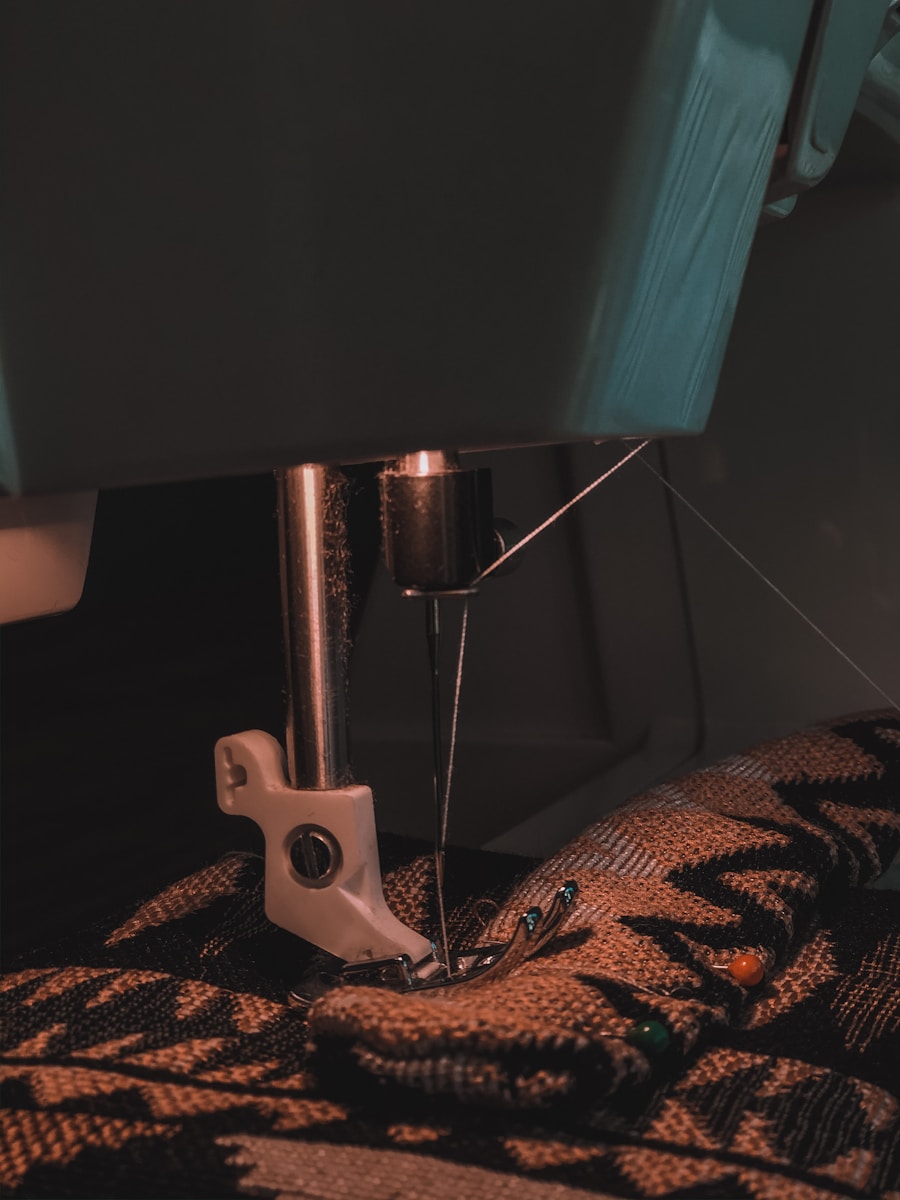
- The Look: A walking foot is easily recognisable by its larger, often mechanical frame and a fork-like arm that sits over the needle screw.
- The Alternative: While the walking foot solves one major problem, specialty feet like the zipper foot solve others by allowing you to sew right up to a raised edge.
Guide to Perfect Sewing
Welcome to the wonderful world of presser feet! As a sewing tutor, I often see students struggling with fabric that just won’t behave—it stretches, it puckers, or the layers shift away from each other. If you’ve ever found yourself asking what does a walking foot do on a sewing machine, you’re about to discover the solution to these common frustrations. This accessory isn’t just a nice-to-have; it’s an absolute game-changer for mastering tricky fabrics and complex projects. It represents one of the most significant upgrades you can make to your machine’s capabilities.
The Simple Answer: Understanding the Walking Foot’s Magic
In the simplest terms, what does a sewing machine walking foot do? It makes your machine feed the top layer of fabric at exactly the same rate as the bottom layer.
Normally, your sewing machine relies on small, jagged metal teeth, called feed dogs, which grab the bottom layer of fabric and pull it under the needle. The presser foot holds the top layer down. However, on slippery or very thick materials, this one-sided action is insufficient. The bottom layer moves perfectly, but the top layer drags slightly, resulting in an uneven seam, or “puckering,” especially near the end of the seam line.
The walking foot acts as a secondary set of feed dogs working from above. It has its own mechanism that literally “walks” the top fabric layer forward in perfect sync with the feed dogs below. This means the two layers meet the needle at precisely the same moment, ensuring an impeccable, professional-quality stitch every time.

What Do You Use a Walking Foot For? Taming Tricky Fabrics
Understanding what do you use a walking foot for opens up a whole new range of projects you can tackle with confidence. It is designed to solve any problem where uneven feeding or shifting layers are a concern.
How the Dual Feed System Works: A Closer Look
When you attach the walking foot, you’ll notice a small, C-shaped arm that sits right over the screw that holds the needle bar. This arm is the key. As the needle bar moves up and down during stitching, it activates the walking foot’s internal mechanism, causing the foot’s sole to lift and move the fabric forward. This continuous, rhythmic movement—the “walk”—ensures an even journey for both fabric layers.
If you are learning to use a sewing machine, getting comfortable with the machine involves understanding how each foot interacts with your materials, and the walking foot is often the first essential accessory we introduce to students.
Taming Multiple Layers: Quilting and Binding
Perhaps the most famous application for the walking foot is in quilting. A standard quilt sandwich consists of three layers: the top fabric, the batting (wadding), and the backing fabric. Without a walking foot, stitching through this thickness is almost guaranteed to result in a wrinkled or bunched backing layer.
The walking foot keeps those thick, heavy layers aligned perfectly, allowing you to quilt smoothly and accurately, whether you’re stitching in the ditch or using decorative lines. For those taking your skills further, this foot is indispensable for garment construction that involves bulk, such as installing linings or working with heavy coat fabrics.
Working with Slippery and Stretchy Fabrics
Beyond bulk, the walking foot is a hero for materials that slip and slide, or stretch out of shape. Think of working with luxurious but tricky fabrics like velvet, organza, or silk charmeuse—the walking foot ensures the top layer doesn’t glide away from the bottom.
Likewise, when sewing elastic knit fabrics, such as jersey or spandex, the walking foot prevents the machine from stretching the fabric as it feeds, eliminating those frustrating wavy or lettuce-leaf edges. To truly master understanding how to sew and alter clothes, you must first master the right tools for the job.
Our Unique Insight: What a Sewing Machine Walking Foot Does for Garment Construction
The utility of a walking foot, or what does a walking foot do on sewing machine, extends far beyond quilting. For those of you on a dedicated seamstress courses journey, the walking foot is a silent partner in achieving professional finishes on tailored garments.
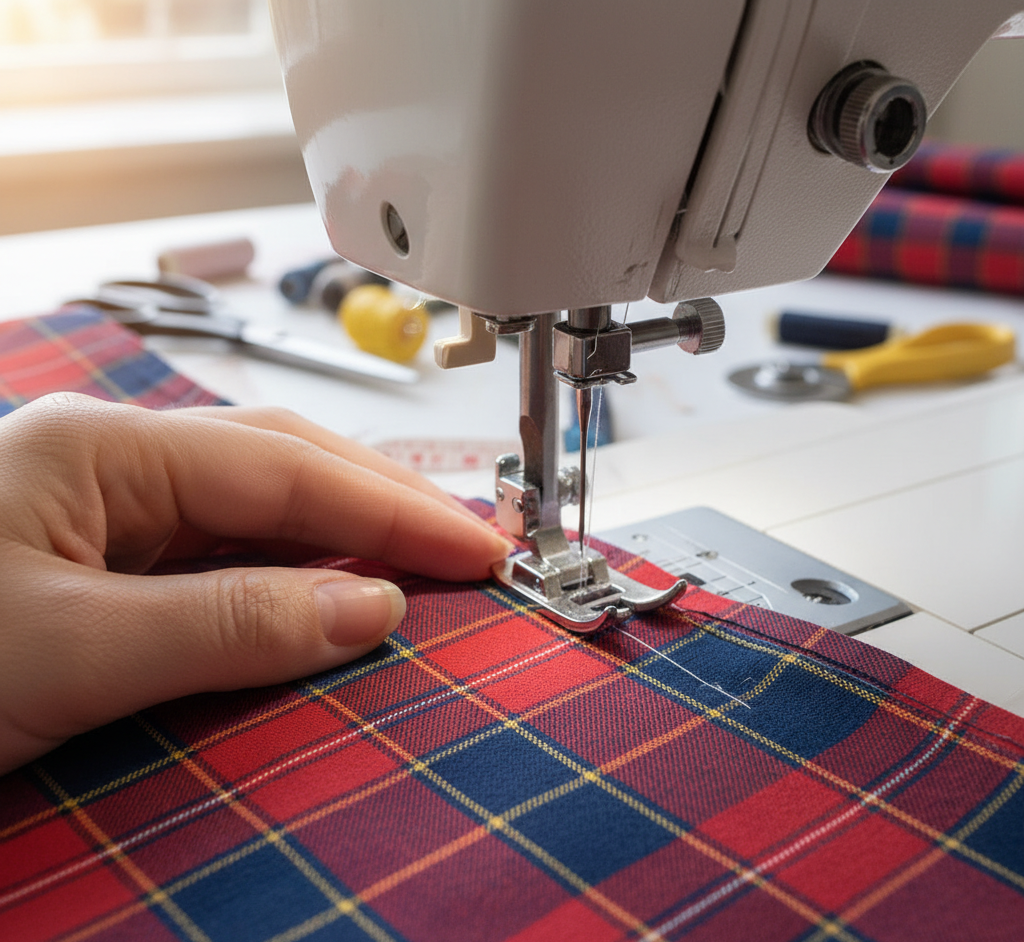
Consider projects that require matching patterns, like checks or stripes. Even the slightest shift between the pieces will ruin the entire look. By locking the layers in place, the walking foot allows you to precisely align your prints, ensuring seamless transitions across collars, cuffs, and pockets. It’s an invaluable tool for ensuring that meticulous alignment you see in high-end ready-to-wear clothing. For those seeking private sewing lessons London tailored just for you, mastering pattern matching with this foot is often a core lesson.

What Does a Zipper Foot Do and When to Use It?
While the walking foot solves the problem of fabric shifting, it’s only one of many specialist feet that belong in your toolkit. To truly advance your skills, you need to understand what do different sewing feet do, starting with the second most common specialist foot: the zipper foot.
Unlike the all-purpose standard foot, the zipper foot is designed with a narrow profile that allows you to stitch right next to a raised edge, whether that’s the teeth of a zipper, the cording of piping, or a bead-encrusted trim.
The key feature of a zipper foot is its adjustability; you can snap it on so that the needle passes to the left or the right of the foot itself. This adjustability means you can stitch close to the zipper teeth without accidentally sewing over them, which would break your needle. It is absolutely essential for achieving the neat, professional finish seen in high-quality garments.
The Essential Role of the Standard Foot
It is important not to forget your trusty standard foot. This is the all-rounder, the one you use for basic straight stitching and zigzag seams on medium-weight, stable woven fabrics. It provides a balanced hold that works well with the feed dogs for everyday sewing.
However, as you progress, you’ll discover that the standard foot struggles with the very challenges the walking foot is designed to overcome. Recognising when to switch from your basic tool to a specialised one is a fundamental skill taught in all quality sewing classes London for adults. Knowing when a basic tool is sufficient and when you need a specialist one is a key takeaway from our intermediate London sewing courses for adults.
Actionable Strategy: A Quick-Guide to What Do Different Sewing Feet Do
Mastering your machine is not just about threading the needle; it’s about choosing the correct accessory for the task at hand. Here is a quick, actionable guide to help you decide which foot to use today.
Mastering Presser Feet: Walking, Zipper, and Beyond
| Foot Type | Primary Purpose | When to Use It | Look and Key Feature |
| Walking Foot | Eliminates shifting and puckering. | Quilting, working with knits, velvet, or vinyl. | A large, mechanical foot with an active upper feed system. |
| Zipper Foot | Sewing close to a raised edge. | Installing zippers, adding piping or cording. | A narrow, often asymmetrical foot that attaches to the left or right of the needle. |
| Standard Foot | General straight and zigzag stitching. | Seaming stable woven fabrics (e.g., cotton, linen). | The machine’s default foot, usually wide and balanced. |
| Buttonhole Foot | Creating automated, consistent buttonholes. | Making shirts, blouses, or jacket fronts. | Often has a frame to measure the button size automatically. |
| Free-Motion/Darning Foot | Allowing fabric to be moved in any direction. | Darning holes or free-motion quilting. | A small, round or oval foot that “hovers” over the fabric. |
Learning these distinctions is a key step for those who are learning to use a sewing machine. When you move beyond the basics, you begin to appreciate the precision each foot offers, which is especially helpful in custom private sewing lessons London.
When to Change Your Foot: A Fabric-by-Fabric Guide
If you’re unsure if a foot is needed, simply look at your fabric. If it’s slippery, very thick (more than two layers of denim), stretchy, or if you are deliberately stitching near a bulky edge (like a cord), swap out your standard foot immediately for a specialist.
The walking foot (or twin-feed foot, as it’s sometimes called) is arguably the most valuable purchase you can make after the machine itself because of how many challenging materials it instantly renders manageable. It’s a game-changer for avoiding the frustration of fabric bunching up at the end of a seam.
Start Learning to Sew Today
Discover the best sewing classes North London and beyond, perfect for beginners and adults alike. Our sewing classes London for adults and sewing classes London for beginners offer friendly, supportive lessons to help you grow your skills. Try free sewing classes London or book private sewing lessons London for a personal touch. Whether you want sewing classes near me for adults or step-by-step guidance, our courses help you bloom with confidence.
Frequently Asked Questions (FAQ)
What does a walking foot for sewing look like?
A walking foot is easily identifiable because it looks more complicated and mechanical than your standard presser foot. It is generally larger and bulkier, featuring its own set of feed dogs on the underside of the foot itself. The most defining visual feature is a fork-like arm or lever at the top of the foot. This arm must sit over the needle clamp screw, allowing the needle movement to drive the foot’s unique ‘walking’ action.
Is a walking foot only for quilting?
No, while the walking foot is highly prized by quilters for managing the three layers of a quilt sandwich, its use extends far beyond that. It is the best tool for any material where the top layer might drag or shift unevenly compared to the bottom. This includes sewing highly stretchy knits like jersey, slippery fabrics such as silk or sheer organza, and any project that involves matching complex patterns like plaids or stripes.
Can I use a walking foot with my regular sewing machine?
In most cases, yes. Walking feet are an accessory and are generally compatible with most low-shank or high-shank domestic sewing machines, though you may need to purchase one specific to your machine’s brand (e.g., Brother, Janome, or Singer) or a universal walking foot that matches your machine’s shank size. Always ensure the foot’s fork-like arm can properly engage with the needle screw for the mechanism to work effectively.
Explore Embroidery and Quilting
Get creative with embroidery classes near me and learn about the rich craft through our hand embroidery history and embroidery London UK. If quilting is your passion, find quilting near me workshops designed to inspire. Our welcoming classes are perfect for all levels, helping your stitching skills grow naturally.
Conclusion
The journey through the world of presser feet might seem complex at first, but with a patient and encouraging approach, each foot becomes a familiar friend. When it comes to achieving flawless results on challenging materials, the answer to what does a walking foot do on a sewing machine becomes perfectly clear: it’s your indispensable ally against puckering, shifting, and stretching.
By providing an even, dual-feed system, the walking foot ensures that whether you are tackling thick quilted layers or delicate silk organza, your seams will be impeccably neat and perfectly aligned. The difference between struggling with a slippery fabric and gliding smoothly through a seam often comes down to this simple, yet ingenious, piece of equipment. Remember that tools like the zipper foot and the walking foot are designed not to complicate your life, but to empower you to handle any project with elegance and confidence.
If you are a beginner sewist just discovering the magic of these tools, or an advanced student looking to refine your finishing techniques, the path to expert sewing is always smoother with the right knowledge and the right accessories.
Ready to put this knowledge into practice? Why not take the next step in your creative journey? We offer friendly, tailored Sewing Classes North London for all levels, from those just learning how to sew to those mastering advanced garment construction. Come and join our community, where we guide you through every presser foot, seam, and stitch. You can also dive deeper into specialised topics by visiting our informative Sewing Blog for more expert advice and inspiration.
About the Author: Grace, Founder of London Sewing Courses
Grace is the heart and hands behind London Sewing Courses. A passionate and experienced sewing instructor, she founded the studio with a unique mission: to create a calm, friendly space for adults to learn and connect, while using the profits to fund free sewing classes for local children in need. Her personal expertise and commitment to community building are at the core of every class and every stitch.
Sources
The following resources were consulted to provide you with the most up-to-date and authoritative information:
The Sewing Directory (Guide to the Walking Foot) https://www.thesewingdirectory.co.uk/walking-foot-guide/
Brother USA (Mass Sewing Foot Guide)
https://www.brother-usa.com/-/media/files/had/masssewingfoot_final_links.pdf
YouTube (Video on the Walking Foot in Action) https://www.youtube.com/watch?v=10DBLRNFOMc


Leave a Reply