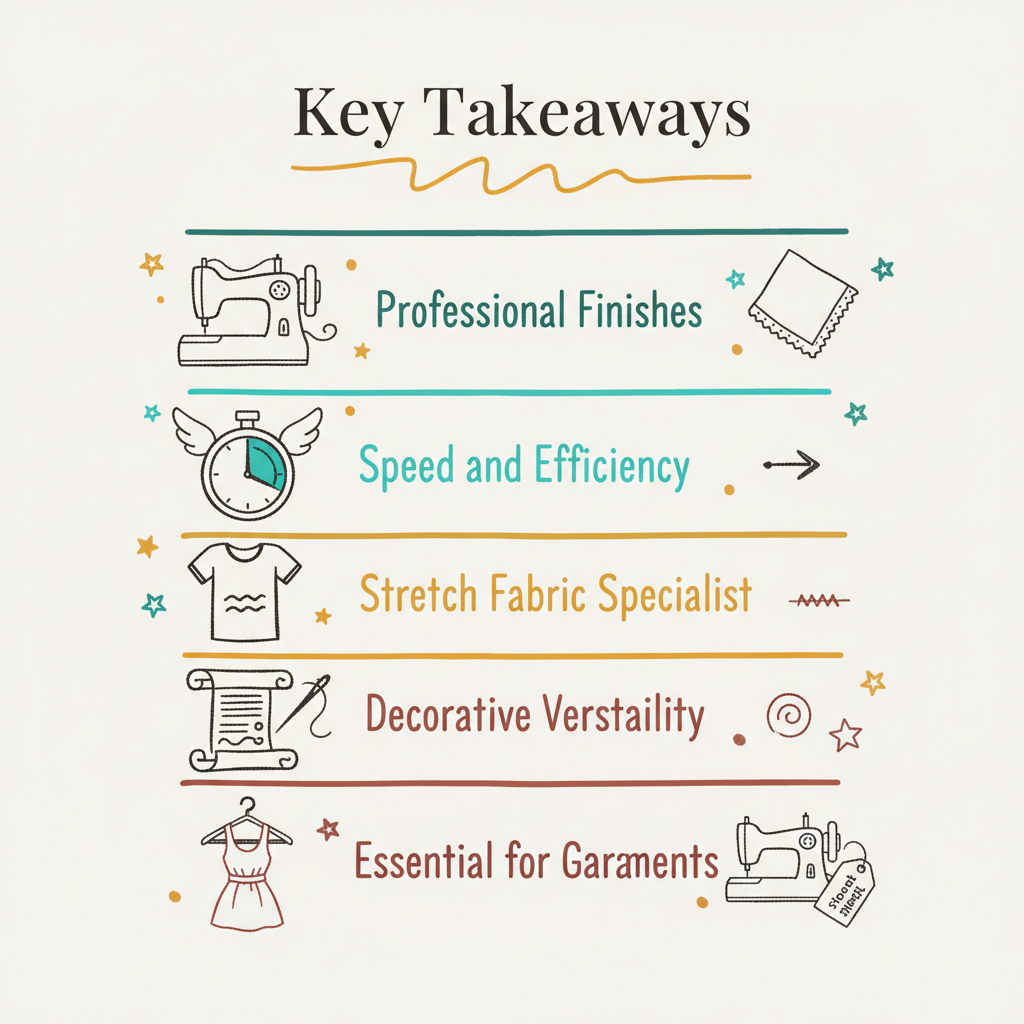
Key Takeaways
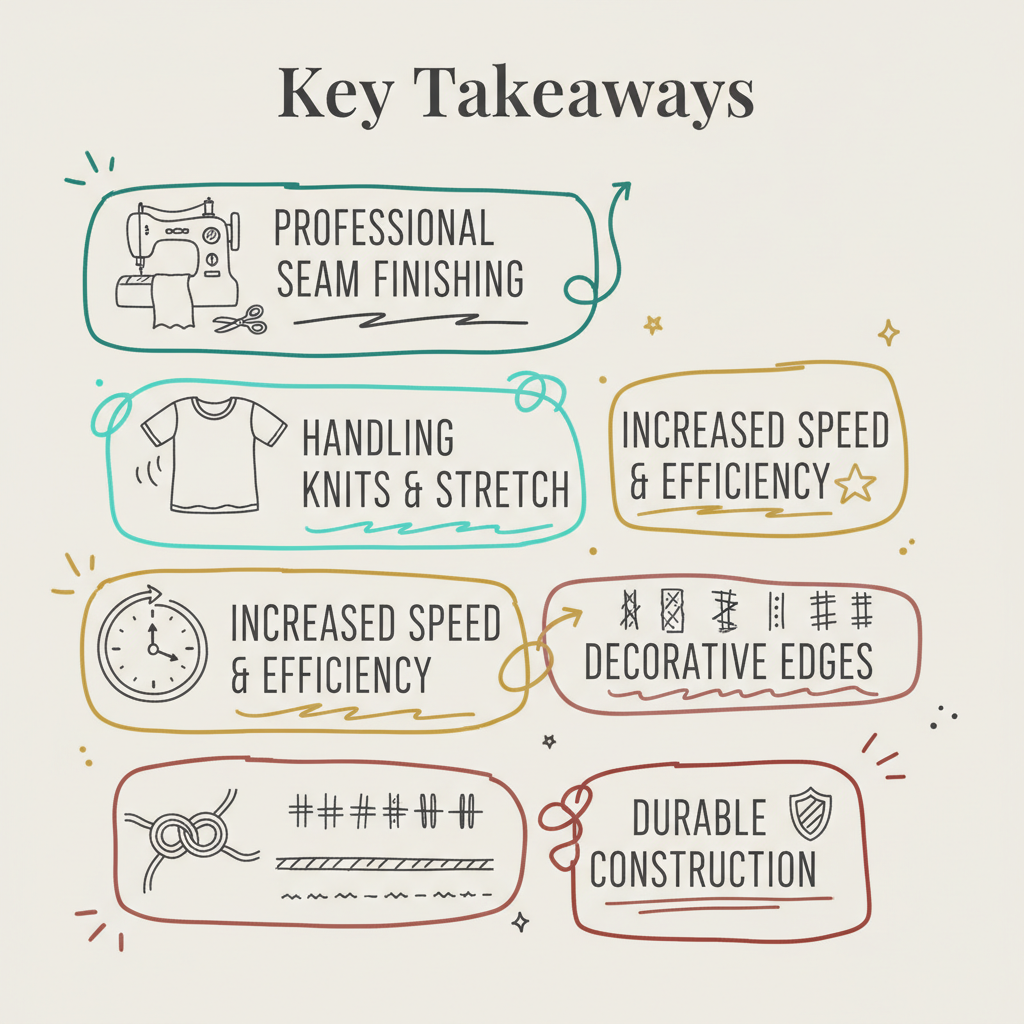
- Professional Finishes: A serger trims excess fabric and encases raw edges simultaneously to prevent fraying.
- Speed and Efficiency: Operating at higher speeds than standard machines, it completes seams in a single pass.
- Stretch Fabric Specialist: The “overlock” stitch is naturally elastic, making it perfect for jersey and activewear.
- Decorative Versatility: Beyond utility, these machines create beautiful rolled hems and flatlock decorative details.
- Essential for Garments: While not a replacement for a sewing machine, it provides the “store-bought” look for clothes.
Should I Add a Serger to My Sewing Room?
The question of what is a serger used for in sewing often marks the transition from a casual hobbyist to a dedicated garment maker. For many, the answer is a resounding “yes” if you crave that polished, high-end finish found in professional ateliers. Adding an overlocker to your toolkit is one of the most direct ways to build a versatile sewing practice around your existing skills.
It is an opportunity to nurture your creative understanding—to cultivate your confidence from a hesitant beginner into a strong, established maker. Unlike a standard machine, a career in dressmaking or high-level tailoring often starts with this single, crucial asset: the ability to manage raw edges with speed and precision. The UK market for handmade fashion is robust, driven by creators seeking personalised, high-impact clothing that mass-market brands cannot match.
If you have a deep passion for textiles and the ability to master new mechanical rhythms, you are already halfway there. You do not need a professional manufacturing background to successfully use an overlocker; you need clarity, patience, and a genuine commitment to the craft. The subsequent sections will address the filtering process, from understanding the mechanics to choosing your first project.
The Simple Answer: Speed Trumps Standard Stitches
The simple truth that often surprises people is that the overlock framework is highly efficient. There is no law saying you must use one, but the difference in output is remarkable. This means that a hobbyist can produce boutique-quality leggings, a fashion student can breeze through a collection, or a professional seamstress can offer advanced alterations—all with a level of durability a zig-zag stitch cannot provide.
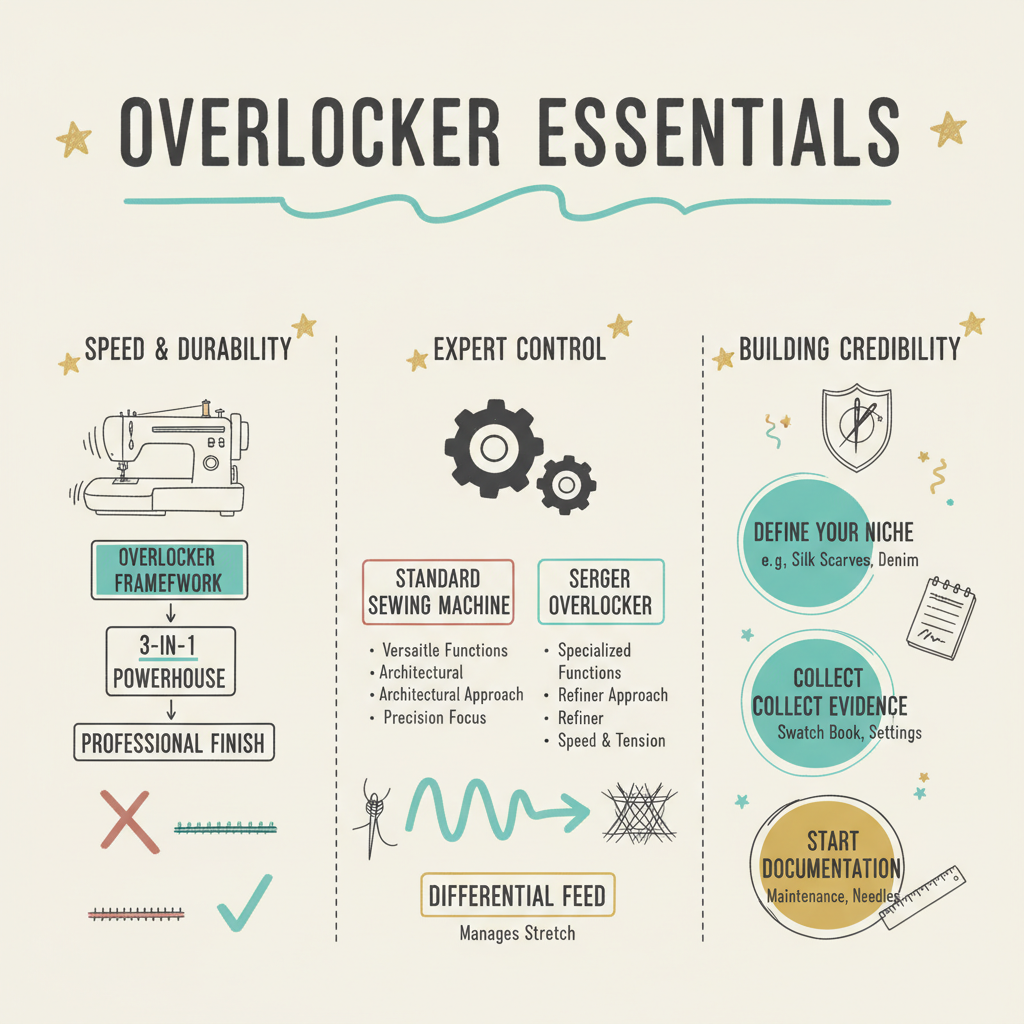
The sewing world naturally filters out those who ignore the importance of internal finish. The makers who succeed are those whose passion for detail is infectious and whose garments achieve real, measurable longevity. Understanding what is a serger for involves recognising it as a three-in-one powerhouse: it sews a seam, cuts the seam allowance, and finishes the edge all at once.
The Overlock Landscape: What is an Overlocker Machine Used For?
The real question isn’t just about the definition, but rather, what is an overlocker for in the context of your specific projects? The filtering process in the sewing room focuses on proven edge mastery and safeguarding the structural integrity of your seams.
Professional Seams: What the Machine Does
As mentioned, there is no requirement to own a serger to enjoy sewing, but its utility is undeniable. This capability is reflected in numerous professional garment factories. However, this lack of “requirement” places a high degree of responsibility on the maker to establish their own standard of quality. If you are sewing for clients or creating gifts, having clean, encased edges is generally expected as proof of your ability to guide a project to completion.
Expertise and Authority: The True Utility
The single most effective use for an overlocker is managing stretch fabrics. If you are sewing activewear, swimwear, or modern knitwear, the machine’s ability to create a “differential feed” is far more valuable than any standard sewing machine feature. For instance, notes that the loopers create a flexible web of thread that moves with the fabric. The authority of your finished work comes from this real-world durability, not just how the garment looks on a hanger.
Distinguishing Your Tools: What is a Serger vs Sewing Machine
The machine you choose dictates both the techniques you will use and the psychological approach you must adopt toward construction. This is a key professional distinction in the textile world.
Subject Scope and Approach
When using a standard sewing machine:
- Functions are Versatile: The focus is on construction, topstitching, buttonholes, and zips.
- The Approach is Foundational: You act as the architect, building the structure and managing intricate details. This work requires greater emphasis on precision and specific attachments like zipper feet.
When using a serger overlock machine:
- Functions are Specialized: The focus shifts to seam finishing, edge trimming, and working with knits.
- The Approach is Consultative: You act as the refiner. The machine handles the heavy lifting of edge management, reducing the time spent on finishing but requiring greater attention to thread tension. The dynamic is one of professional speed, requiring a deeper understanding of how four or five threads interact.
Our Unique Insight: The Secret of Differential Feed
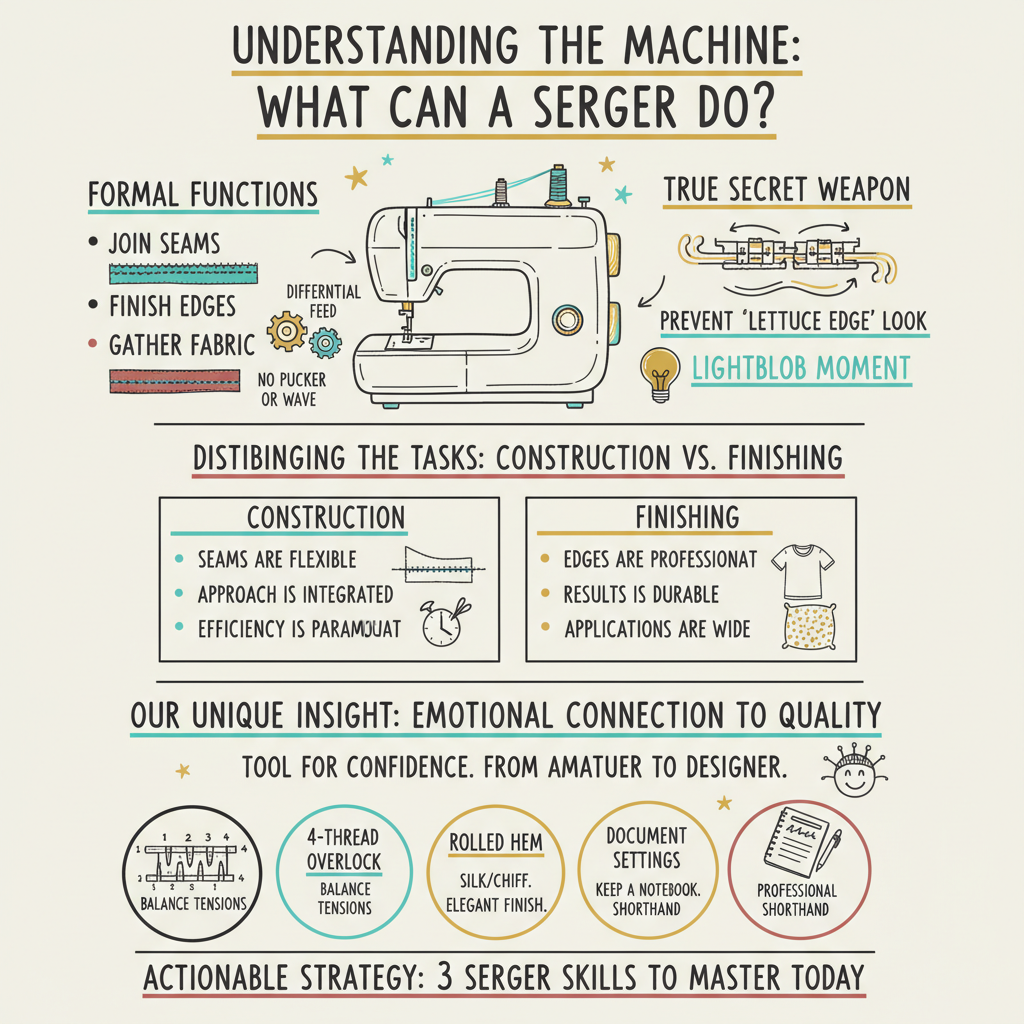
If you’re wondering what is a serger good for beyond just finishing edges, the secret lies in the differential feed. Most people assume the machine just sews fast, but the true “unique insight” is its ability to control how fabric is “gathered” or “stretched” as it passes under the needles.
By adjusting the two sets of feed dogs, you can prevent “lettuce edges” on thin knits or intentionally create ruffles without a specialized foot. This level of control is why an overlocker is a good investment for the long term—provided you approach it with the same professional rigour you would any technical skill. It is not just a secondary tool; it’s a path that balances creative reward with an impressive level of control over your textile outcomes.
Actionable Strategy: Building Your Overlock Credibility
To bridge the gap between “knowing” and “doing,” focus on these three things today:
- Define Your Niche: Don’t just “serge everything”; practice “3-thread narrow hems for silk scarves” or “4-thread safety stitches for heavy denim.” Specificity breeds mastery.
- Collect Evidence: Keep a swatch book of your tension settings. Document the fabric type, thread brand, and the resulting stitch. These “case studies” are your professional currency when starting new projects.
- Start Your Documentation: Even if you are just learning to use a sewing machine, begin tracking your machine maintenance and needle changes to demonstrate professional rigour.
Earning Potential and Flexibility
The rewards in mastering what is an overlocker in sewing can be highly competitive if you choose to take on commissions. Quality varies significantly across the UK, and those who can produce high-standard, overlocked interior finishes command a premium. The flexibility is a major advantage. As a skilled operator, you are the director of your own time. You can take on private sewing lessons London or offer niche alteration services, allowing you to tailor your work schedule to other professional pursuits.
The Intrinsic Rewards of High-Impact Sewing
Beyond the potential for income, the intrinsic reward is immeasurable. High-impact sewing is defined by the satisfaction of a garment that looks as good on the inside as it does on the outside. When you see a student’s confidence begin to grow—when that difficult jersey neckband finally clicks and their understanding blossoms—you are directly seeing the result of specialized tool mastery. This direct link between your expertise and the final success is what makes seamstress courses so deeply satisfying.
Actionable Strategy: How to Practice During the Day
Most beginners assume their practice must happen exclusively in long, daunting blocks. However, you can deliberately structure your learning by targeting small, non-traditional tasks:
- Scrap Mastery: Spend 15 minutes a day testing different tension settings on fabric scraps.
- Home-Educated Learning: If you are teaching others, use the sewing blog to find quick tutorials for small accessories like cloth napkins.
- Flexible Projects: Many London sewing courses for adults recommend starting with simple infinity scarves to get used to the machine’s speed.
- International Inspiration: Follow global makers to see how they leverage what is a serger machine used for in different cultural textile traditions.
The Practical Path: How to Use a Serger in the UK
If you’ve decided this is the path for you, you need to know how to operate with professionalism. This path is straightforward but requires attention to safety and maintenance.
Essential Setup and Trust Signals
While the question of what is a serger for might suggest a relaxed environment, the technical requirement for safety is paramount.
- The Non-Negotiable: Always use the correct needles. Sergers operate at high speeds, and using a standard sewing machine needle when a specialized one is required can lead to timing issues or injury.
- Maintenance: If you work in a communal space or for a national sewing company, ensure the blade is sharp. A dull blade “chews” the fabric rather than cutting it, which reassures no one of your professional ability.
Thread and Tension Setup
When asking how to do overlocking professionally, you must consider the logistics. If you are learning how to sew, you are legally obligated—to your sanity—to learn the “tie-on” method for changing threads.
- Register Your Settings: Keep a log of what works for different weights. This is the simplest structure and is necessary even if sewing is only a part-time hobby.
- Keep Records: Maintain accurate records of your machine’s service history and any sewing classes London for beginners you attend to build your CV.
How to Choose: Manual vs Air-Threading
Deciding between a manual or an air-threading model is a key strategic decision. Manual threading offers a traditional, personal connection to the machine’s mechanics, but air-threading drastically expands your productivity.
- Air-Threading Benefits: You can change thread colours in seconds, eliminate frustration, and often achieve more consistent results. This model is particularly effective for those who find what is a serger machine used for intimidating.
- Manual Benefits: Best for those on a budget and students who want to truly understand the path of the thread through the loopers.
Filling the Ranks: How to Find Your Sewing Community
Once you’ve established your niche and decided whether to learn in-person or via a sewing blog, the next hurdle is finding the right community. The challenge isn’t usually the lack of interest; it’s connecting with the right people who value your specific expertise.
Starting with Word-of-Mouth
Your first few projects are often the hardest to secure, but they are your most valuable asset. The trust signal created by a personal recommendation for a well-made garment is unmatched.
- Friends and Family: Let everyone in your network know you are taking sewing classes North London.
- Initial Offers: Consider offering to finish the seams on a friend’s project in exchange for a detailed testimonial. These early reviews form the foundation of your reputation.
Utilising Platforms and Learning Models
While going independent gives you the most freedom, intermediate sewing courses London adults offer a ready-made stream of knowledge.
- Course Benefits: Provide structure, guaranteed equipment access, and may handle the initial technical hurdles.
- Platform Benefits: Offer greater control over your learning pace, acting as a digital marketplace for ideas and patterns.
London Sewing Courses’ Digital Mentorship
For those focused on vocational or highly specialist skills—such as how to sew and alter clothes or complex tailoring—we provide a clear pathway for clients seeking high-level expertise. We offer both a custom private sewing lessons London for those who require continuous, hands-on guidance and detailed, bespoke seamstress courses for those who want to build the capability themselves. Our reputation for ethical, effective textile education means that students associated with our methods gain immediate credibility in this creative space.
Addressing the Investment: Is an Overlocker Worth It?
From a student’s perspective, the question is purely transactional: will the investment of time and money yield better garments, greater confidence, or a stronger creative path? The answer, supported by extensive research, is generally yes, but the quality of the machine and the instruction is the differentiating factor.
The Student’s Perspective: Cost vs. Confidence
The ultimate gauge of whether a serger is worth it balances the often significant cost against the student’s confidence and outcomes.
- Cost Barrier: Quality machines remain financially inaccessible for many, which is why we offer sewing classes London for adults where equipment is provided.
- Confidence Boost: Students frequently report that even before they master complex patterns, the professional finish of an overlocked seam leads to a dramatic increase in self-esteem.
Frequently Asked Questions (FAQ)
What is a serger used for in sewing most often?
A serger is primarily used to finish fabric edges and sew seams simultaneously. Its most frequent application is in garment construction, especially for clothing made from knit or stretch fabrics. By encasing the raw edge in a thread wrap, it prevents the fabric from fraying over time, which is essential for the durability of wearable items.
Is an online sewing course as effective as an in-person one?
Yes, an online course can be just as effective if the tutor is skilled and the student is engaged. Online sessions provide access to highly specialised tutors regardless of geography, and digital tools like recorded close-ups often enhance the learning experience. While some young learners benefit from physical presence, for most adults, the convenience of sewing classes london for beginners online is highly beneficial.
Can I use a serger for everything?
While a serger is incredibly versatile, it cannot replace a standard sewing machine entirely. You still need a regular machine for tasks like topstitching, sewing buttonholes, inserting zippers, and creating decorative embroidery. Think of the serger as a specialized partner that handles the heavy lifting of seam construction and finishing.
Do I need a special table for an overlocker?
You do not necessarily need a specialized table, but because sergers operate at very high speeds, they can vibrate significantly. A sturdy, flat surface is essential to prevent the machine from “walking” across the table. Many London sewing courses recommend using a non-slip mat underneath the machine to dampen noise and vibration during use.
Conclusion
The answer to the initial question—what is a serger used for in sewing—is a resounding “professionalism.” The UK textile landscape is defined by skill, expertise, and a commitment to quality signals. This path offers exceptional flexibility and intrinsic reward for those who combine their creativity with the right tools. Whether you are learning to use a sewing machine for the first time or helping a child master their first project, your greatest asset is your ability to choose the right tool for the job. If you have the passion, the commitment, and the right approach, the world of overlocking is wide open for your expertise to take root and flourish.
About the Author: Grace, Founder of London Sewing Courses
Grace is the heart and hands behind London Sewing Courses. A passionate and experienced sewing instructor, she founded the studio with a unique mission: to create a calm, friendly space for adults to learn and connect, while using the profits to fund free sewing classes for local children in need. Her personal expertise and commitment to community building are at the core of every class and every stitch.
Sources
- Sewing Classes North London (https://londonsewingcourses.co.uk/)
- Sewing Blog & Machine Guides (https://londonsewingcourses.co.uk/sewing-blog/)
- What is a Serger? – Quiltshow (https://thequiltshow.com/quiltipedia/what-is-a-serger)
- Serger vs Sewing Machine – Madam Sew (https://madamsew.com/blogs/sewing-blog/serger-versus-sewing-machine)
- Everything About Sergers – Meissner Sewing (https://meissnersewing.com/blogs/inspiration/everything-about-sergers)