Key Takeaways
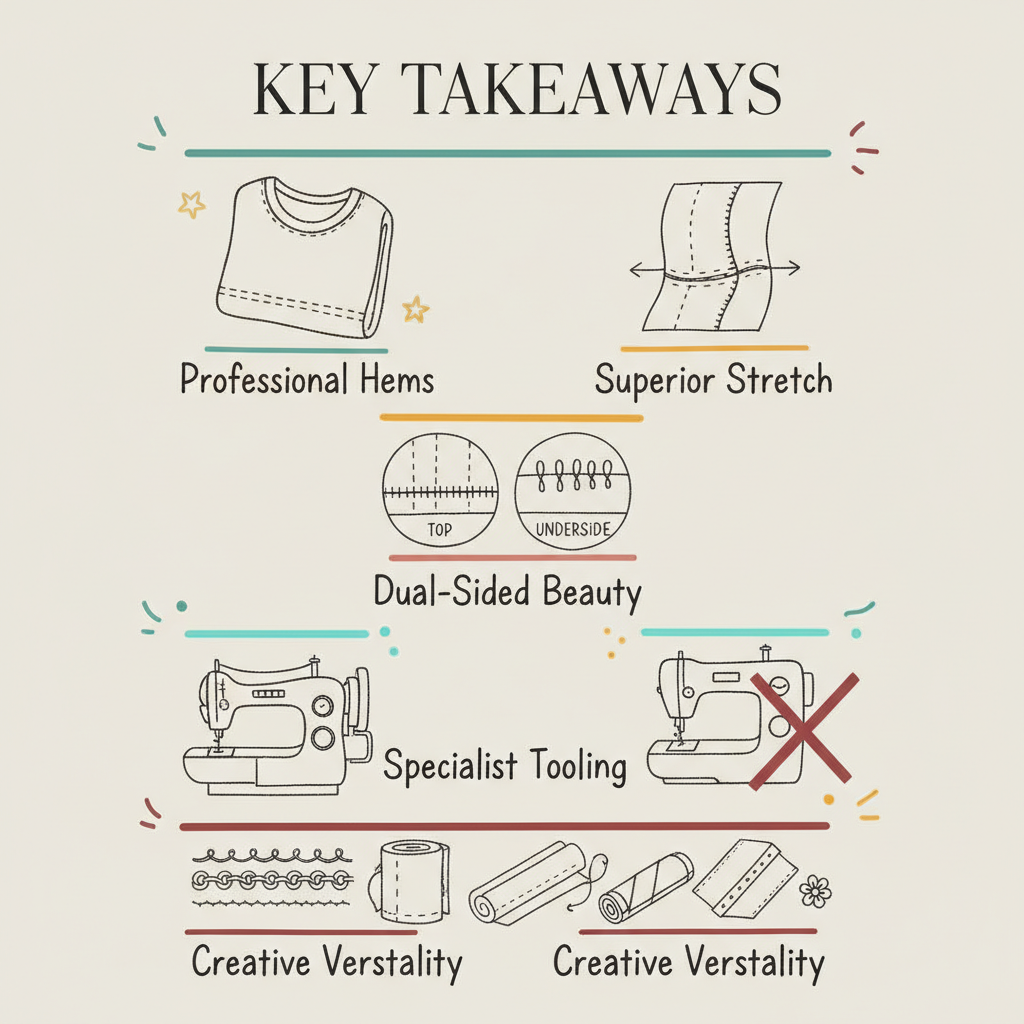
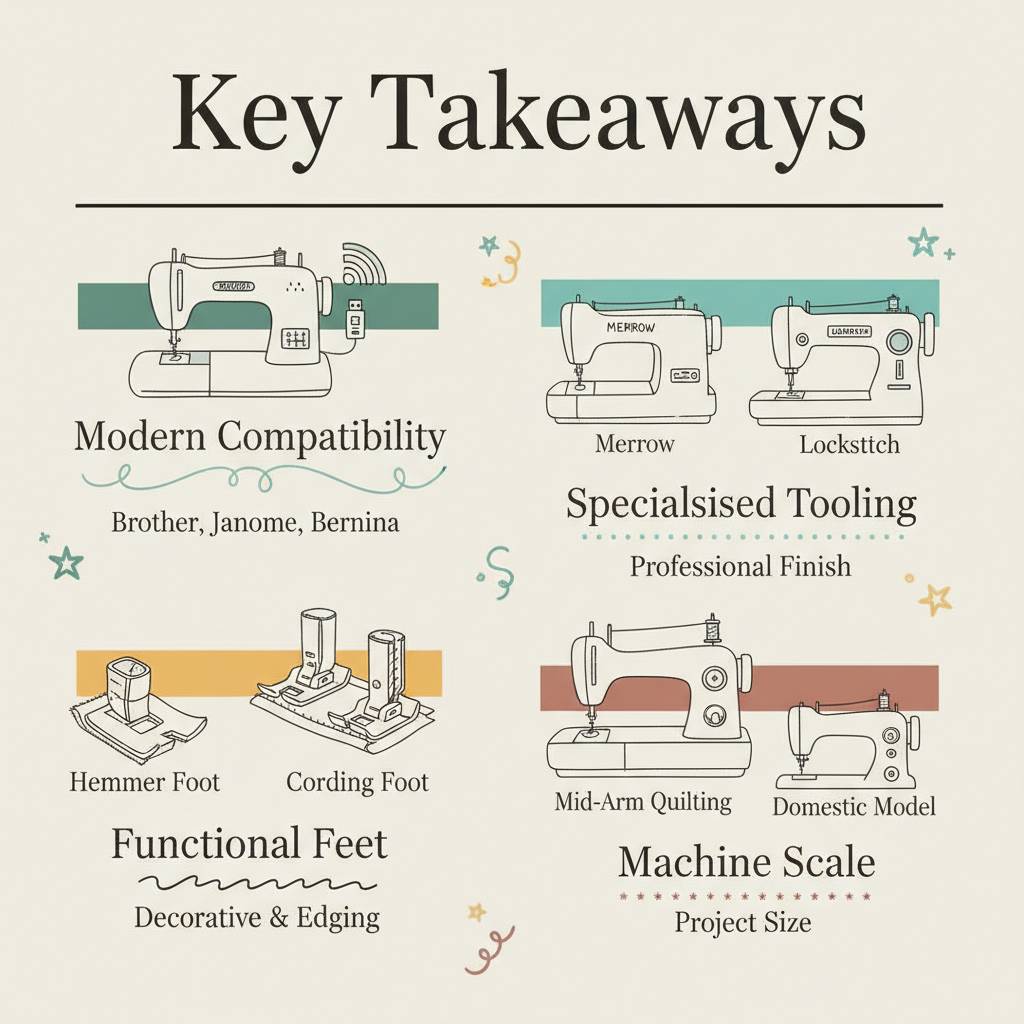
- Modern Compatibility: Most modern computerized embroidery machines from brands like Brother, Janome, and Bernina allow custom design uploads via USB or Wi-Fi.
- Specialised Tooling: Understanding specific equipment, such as a merrow machine or a lockstitch machine, is vital for professional-grade garment finishing.
- Functional Feet: Accessories like the hemmer foot and cording foot extend the capability of your domestic setup for decorative and functional edges.
- Machine Scale: Choosing between a mid-arm quilting machine and a standard domestic model depends on the physical scale of your projects.
The transition from manual stitching to digital artistry often begins with one specific question: what embroidery machine can i upload own design to? For the modern maker, the ability to translate a digital illustration or a hand-drawn logo into a tactile piece of embroidery is the ultimate creative freedom. In the past, hobbyists were limited to the built-in patterns that came with their equipment. Today, the landscape has shifted entirely. Whether you are looking to monogram personal gifts or launch a small boutique, the UK market offers a wealth of “open” systems that welcome your unique files.
Choosing the right equipment involves more than just looking at a screen; it requires understanding the ecosystem of sewing technology. From the precision of a lockstitch machine to the niche finish of a merrow machine, each tool serves a distinct purpose in your atelier. If you have ever wondered what does embroidery machine do beyond the basics, or how a mid arm quilting machine differs from your everyday setup, you are in the right place. Let us explore the technical marvels that turn fabric into a professional masterpiece.
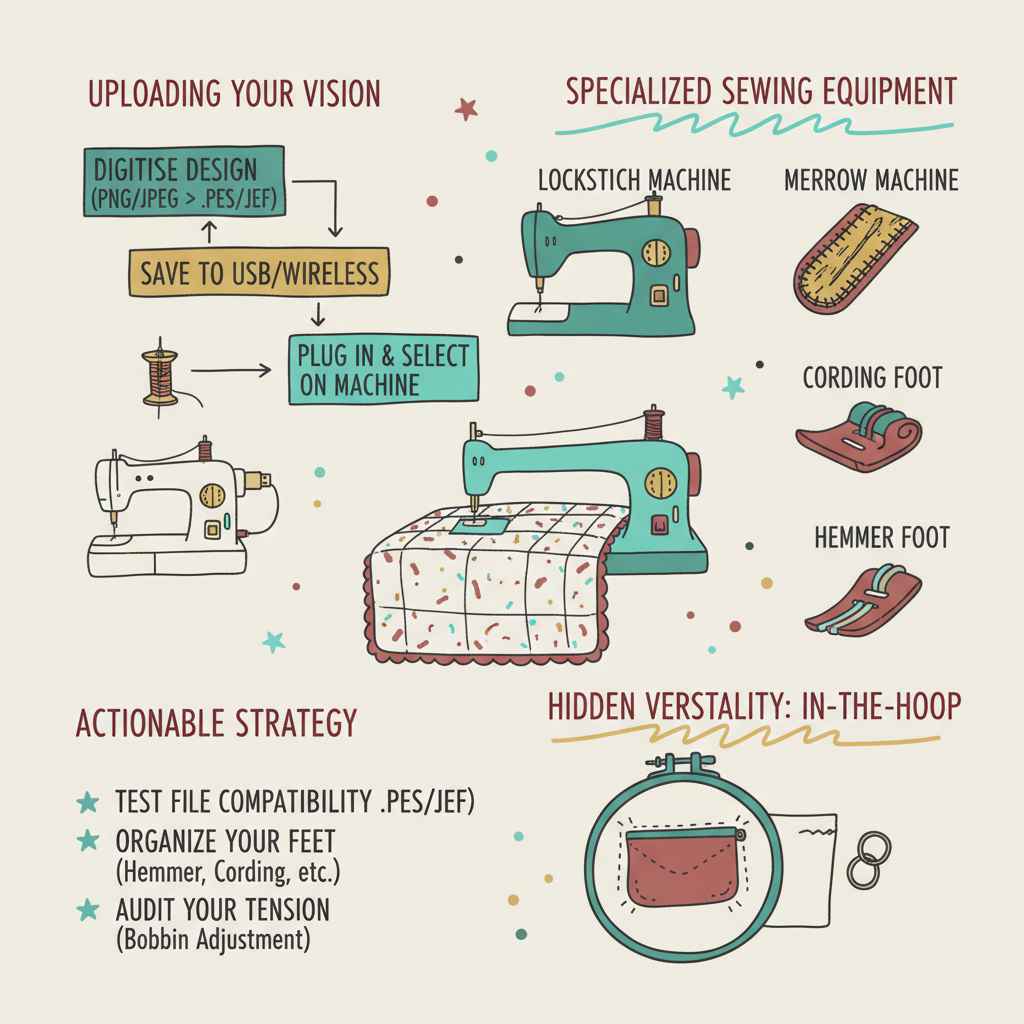
The Simple Answer: Uploading Your Vision
When asking what embroidery machine can i upload own design to, the answer lies in the connectivity features. Most mid-range to high-end computerized models now feature USB ports or wireless connectivity. Machines such as the Brother Innov-is series or the Janome Memory Craft range are specifically designed for this. You simply save your digitised design—usually in a format like .PES or .JEF—onto a memory stick, plug it into the machine, and select it from the touch-screen interface.
However, the hardware is only half of the equation. To truly upload your own designs, you must first “digitise” them using software. This process converts an image file (like a PNG or JPEG) into a series of coordinates and stitch commands that the machine can read. Without this step, even the most expensive machine cannot interpret your artwork. For those just starting out, many seamstress courses now include modules on digital design to bridge this gap.
Specialized Sewing Equipment: A Glossary for the Modern Maker
To build a professional wardrobe or a successful craft business, you must look beyond the standard zig-zag stitch. The world of industrial and semi-industrial machinery can seem daunting, but each machine is a specialist that excels at a single, crucial task.
What is a Lockstitch Machine Used For?
The lockstitch is the most common mechanical stitch made by a sewing machine. So, what is a lockstitch machine used for exactly? It uses two threads, an upper and a lower (bobbin) thread, which lock together within the fabric. This creates a secure, flat, and durable seam that does not unravel easily. While your domestic machine does this, a dedicated industrial lockstitch machine provides incredible speed and the power to penetrate heavy denim or leather without skipping a beat. It is the backbone of garment construction.
What is a Merrow Machine?
If you have ever looked at the edge of a scout badge or a high-end patch, you have seen the work of a merrowing unit. What is a merrow machine? It is a specialized overlock machine used to create a “merrowed” edge—a very dense, narrow, and decorative overlock stitch. Unlike a standard serger which trims and finishes a seam inside a garment, the merrow machine is often used for external edges where the stitch itself is a design feature.
What is a Mid Arm Quilting Machine?
For those who find the throat space of a domestic machine too restrictive for large blankets, the question arises: what is a mid arm quilting machine? These machines sit in the sweet spot between a standard sewing machine and a massive 12-foot long-arm frame. They typically offer 16 to 18 inches of throat space, allowing you to manipulate large quilts much more easily. They are often mounted on a table but can sometimes be used on a frame, providing a significant upgrade for serious hobbyists.
Actionable Strategy: Mastering Your Machine Today
If you are feeling overwhelmed by the technical jargon, focus on these three small steps to improve your craft right now:
- Test Your File Compatibility: Before buying an embroidery machine, download a free trial of digitising software and see if you can export a file in the format your dream machine requires.
- Organise Your Feet: Identify every foot in your accessory box. If you find a hemmer foot, practice creating a 3mm rolled hem on a scrap of silk tonight.
- Audit Your Tension: Spend ten minutes adjusting your bobbin tension on your lockstitch machine. A perfectly balanced stitch is the difference between “homemade” and “handmade.”
Our Unique Insight: The “Hidden” Versatility of Embroidery
Most beginners ask what does embroidery machine do, assuming it is only for floral patterns or names on towels. Our unique perspective is that an embroidery machine is actually a precision placement tool for functional sewing. You can use custom designs to create “In-the-Hoop” (ITH) projects, where the machine stitches entire items—like pouches, keyrings, or even doll parts—automatically. By uploading your own “construction” designs rather than just “decorative” ones, you turn your embroidery unit into a miniature automated factory.
Enhancing Your Finish with Specialist Feet
Even a basic machine can perform advanced tasks if you use the right attachments. Two of the most misunderstood tools are the cording and hemmer feet.
What Does Cording Foot Used For?
When you want to add texture or a decorative braid to a garment, you need to know what does cording foot used for. This foot has grooves on the underside or holes on the top that guide thin cords, yarns, or embroidery floss under the needle. It holds the cords perfectly parallel so you can zig-zag over them. This is an elegant way to add “couture” details to cushions or the cuffs of a blouse.
What is a Hemmer Foot?
Fiddling with tiny, folded hems on lightweight fabrics can be frustrating. What is a hemmer foot? Also known as a rolled hem foot, it features a scroll-shaped metal guide that automatically folds the raw edge of your fabric twice as you sew. It produces a tiny, professional-grade hem that is nearly impossible to achieve by hand. Mastering this foot is a rite of passage for anyone attending London sewing courses for adults.
The Practical Path: How to Learn to Use a Sewing Machine
Deciding to invest in an embroidery or industrial machine is a big step. If you are a beginner, the most effective route is to learn to use a sewing machine on a high-quality domestic model first. Understanding the relationship between needle, thread, and tension is universal. Once you can confidently handle a standard machine, the transition to a computerized embroidery unit or a specialized lockstitch machine becomes intuitive.
Choosing Online vs. In-Person Learning
- In-Person Benefits: You get immediate feedback on your handling of the fabric and can try out different industrial machines without the upfront cost. Locations offering sewing classes North London provide access to expert tutors who can troubleshoot your specific machine issues.
- Online Benefits: Perfect for learning the software side of “uploading your own designs.” You can pause and rewind tutorials on digitising at your own pace.
Understanding the Investment: Is Specialized Gear Worth It?
From a student’s perspective, the question isn’t just about the cost, but the “return on creativity.”
- Efficiency: A lockstitch machine will save you hours of frustration when working on bulk projects.
- Precision: Using a merrow machine for patches provides a finish that a domestic zig-zag simply cannot replicate.
- Expansion: Knowing what embroidery machine can i upload own design to allows you to offer custom services, potentially turning a hobby into a side hustle.
For many, starting with sewing classes london for beginners is the best way to test these machines before purchasing. It allows you to feel the power of an industrial motor and the precision of a digital screen under the guidance of a professional like Grace Barrett.
Frequently Asked Questions (FAQ)
What embroidery machine can I upload my own design to?
Most modern computerized embroidery machines allow you to upload designs. Look for models with a USB port or Wi-Fi connectivity. Popular choices include the Brother PE800, Janome 500E, and Bernina 500. Ensure you have digitising software to convert your images into the specific file format required by your machine brand, such as .pes or .jef. This capability allows for total creative freedom in your projects.
What is a lockstitch machine used for in garment making?
A lockstitch machine is the primary tool for creating strong, straight seams. It uses two threads—one from the needle and one from the bobbin—to “lock” together inside the fabric layers. This makes it ideal for construction tasks like joining side seams, attaching waistbands, or topstitching. Industrial versions are highly valued for their incredible speed, durability, and ability to handle various fabric weights with consistent tension and precision.
What does a cording foot do for decorative sewing?
A cording foot is designed to hold and guide decorative cords, yarns, or threads as you sew over them. It features specific grooves that keep multiple strands of cord perfectly aligned and taut. This allows you to use a decorative or zig-zag stitch to secure the cords to your fabric surface. It is a fantastic tool for adding intricate textures, custom braiding, or piping effects to garments and home decor items.
Should I get a mid-arm quilting machine or a long-arm?
A mid-arm quilting machine is perfect for hobbyists who have limited space but want more room than a domestic machine offers. It typically provides 16–18 inches of throat space, allowing you to quilt larger projects with ease. A long-arm machine requires a large dedicated frame and much more floor space. For most home-based sewists, a mid-arm offers the best balance of increased capability without requiring a complete studio renovation.
Is an online sewing course as effective as in-person?
Online courses are excellent for learning technical software skills, such as digitising for embroidery machines. However, for physical tasks like learning to use a specialized lockstitch machine or mastering a hemmer foot, in-person classes are often superior. They provide tactile feedback and real-time corrections from a tutor. Combining both—online for theory and digital design, and in-person for hands-on machine mastery—usually yields the best results for developing students.
Conclusion
The answer to what embroidery machine can i upload own design to is just the beginning of a much larger journey into the world of textile technology. Whether you are exploring the rugged reliability of a lockstitch machine, the niche elegance of a merrow machine, or the expansive freedom of a mid arm quilting machine, your tools define the boundaries of your craft.
By understanding what does embroidery machine do and mastering simple attachments like the hemmer foot or cording foot, you transform from a casual hobbyist into a skilled creator. The UK’s sewing community is vibrant and welcoming, offering everything from private sewing lessons London to community sewing blogs. If you have the passion to how to sew, the right machine is waiting to help your ideas take root and flourish.
About the Author: Grace, Founder of London Sewing Courses
Grace is the heart and hands behind London Sewing Courses. A passionate and experienced sewing instructor, she founded the studio with a unique mission: to create a calm, friendly space for adults to learn and connect, while using the profits to fund free sewing classes for local children in need. Her personal expertise and commitment to community building are at the core of every class and every stitch.