Key Takeaways
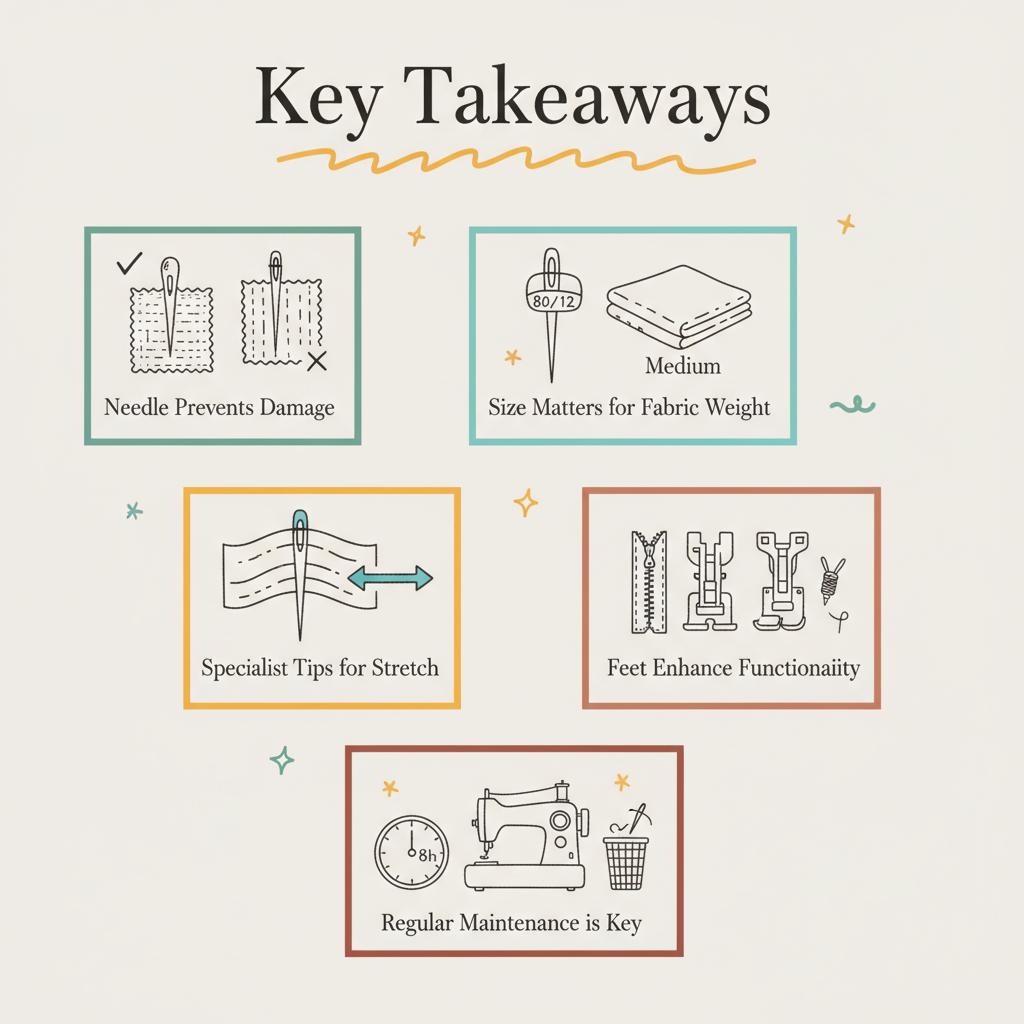
- The Right Needle Prevents Damage: Selecting the correct needle, such as knowing what are ball point needles used for, ensures you do not snag or skip stitches on delicate knits.
- Size Matters for Fabric Weight: Understanding what are 80 12 needles used for helps you match needle strength to medium-weight fabrics like linen or light wool.
- Specialist Tips for Stretch: Using blue tip sewing machine needles or dedicated stretch needles is essential for high-elasticity fabrics like Lycra.
- Feet Enhance Functionality: Learning what are different sewing machine feet used for allows you to master zips, hems, and quilting with professional precision.
- Regular Maintenance is Key: Changing your needle every 8 hours of sewing time keeps your machine running smoothly and your stitches beautiful.
Understanding the Foundation of Your Stitches
The journey of a thousand seams begins with a single, correctly chosen needle. When you first sit down at your machine, the sheer variety of metal “bits” can feel overwhelming. However, the secret to professional-looking garments lies in these small details. If you have ever felt the frustration of a machine “chewing” your fabric or threads constantly snapping, the culprit is often a simple mismatch between the needle and the material.
Private tutoring in sewing often starts with this very foundation. Whether you are attending sewing classes London for beginners or practicing at home, mastering your tools is the first step toward creative freedom. Choosing the right needle is not just about getting the job done; it is about respecting the fabric you have carefully chosen. A universal needle might work for a cotton tote bag, but it will likely ruin a silk blouse or a pair of leggings.
As we explore the specifics of needle types and presser feet, remember that every expert was once a beginner. With patience and the right knowledge, you will soon navigate your sewing box with total confidence.
The Essential Guide: What are Ball Point Needles Used For?
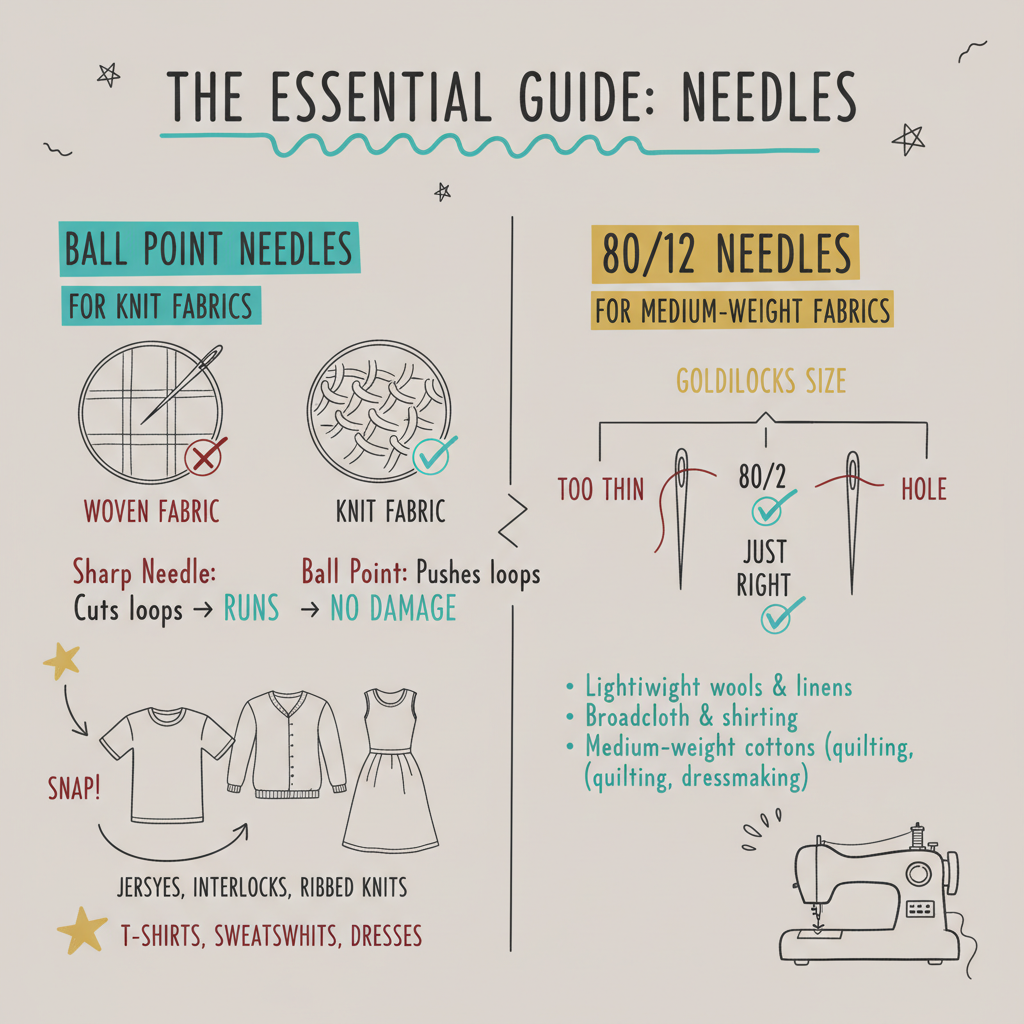
One of the most frequent questions from new students is: what are ball point needles used for? To understand this, we must look at how fabric is constructed. Unlike woven fabrics, which consist of crossing threads, knit fabrics are made of interlocking loops.
A standard sharp needle is designed to pierce through the threads of woven fabric. If you use a sharp needle on a knit, it can cut the delicate loops, leading to small holes or “runs” that eventually ruin the garment. A ball point needle features a rounded tip. Instead of piercing the yarn, the rounded end gently pushes the fabric threads aside, sliding between them to create the stitch without damage.
When to Reach for the Ball Point
You should use a ball point needle whenever you are working with jerseys, interlocks, or ribbed knits. If you are curious about what are ball point sewing machine needles used for in a practical sense, think of t-shirts, sweatshirts, and cotton-blend knit dresses. They are the “kind” choice for your fabric, ensuring the longevity of your hand-made wardrobe.
Sizing Up: What are 80 12 Needles Used For?
Needle packets usually display two numbers, such as 80/12. The first number is the European metric size, and the second is the American size. But specifically, what are 80 12 needles used for in everyday sewing?
The size 80/12 is the “Goldilocks” of the sewing world—not too thin, not too thick. It is designed for medium-weight fabrics. When you are participating in London sewing courses for adults, you will likely find these needles used for:
- Lightweight wools and linens.
- Broadcloth and shirting fabrics.
- Medium-weight cottons used in quilting or dressmaking.
Using a needle that is too large for your fabric will leave visible holes, while a needle that is too small may bend or break when trying to penetrate the layers.
Navigating Specialty Needles: Stretch and Blue Tips
As you progress to intermediate London sewing courses for adults, you will encounter more challenging materials. This is where specialist needles become vital.
What are Stretch Needles?
While similar to ball point needles, stretch needles have a specially shaped “scarf” (the indentation above the eye) that prevents skipped stitches on highly elastic fabrics. If you are sewing swimwear, leggings, or anything with high Lycra or Spandex content, a stretch needle is your best friend.
What are Blue Tip Sewing Machine Needles?
Many sewists ask, what are blue tip sewing machine needles and how do they differ? These are a signature product, often from Janome, featuring a slightly rounded tip (similar to a ball point) but with a special coating. They are excellent for fine knits and synthetic fabrics because they reduce friction and heat, which prevents thread breakage and keeps the needle clean.
Our Unique Insight: The “Eight-Hour Rule” for Needle Longevity
At our sewing classes North London, we teach a philosophy that often surprises students: the needle is a disposable tool. We recommend the “eight-hour rule.” A needle typically loses its factory-perfect sharpness after about eight hours of active sewing.
Even if it doesn’t break, a dull needle develops microscopic burrs. These burrs pull at your fabric, create uneven tension, and can even damage the internal timing of your machine. Changing your needle at the start of every new project is the cheapest and most effective “insurance policy” for your sewing machine’s health. It is much better to spend a few pence on a fresh needle than to spend pounds on a professional machine service.
Actionable Strategy: The Needle and Foot Audit
You can improve your sewing quality today by performing a simple audit of your supplies. Follow these three steps:
- The Magnifying Glass Test: Take a needle you have been using for a while and run it across an old pair of tights or a piece of scrap silk. If it snags even slightly, it is blunt. Throw it away immediately.
- Organise by Type: Do not just throw needles back into a communal jar. Use a “needle pincushion” or a labeled box. If you forget what is in your machine, use a small magnet or a post-it note on the machine head to track if it is currently fitted with a ball point or a universal needle.
- The Scrappy Start: Before sewing your actual garment, take a 10cm square of your project fabric. Test the stitch quality. If you see skipped stitches on a knit, switch from a ball point to a stretch needle. If the fabric “puckers,” your needle might be too large.
Mastering the Machine: What are Different Types of Sewing Machine?
To choose the right accessories, you must understand the tool itself. While most hobbyists use a domestic machine, knowing what are different types of sewing machine helps you decide which path to take in your seamstress courses.
- Mechanical Machines: These use knobs and dials to change settings. They are robust and excellent for learning the basics.
- Computerised Machines: These offer hundreds of stitch patterns and automated features like needle-up/down or automatic thread cutting.
- Overlockers (Sergers): Essential for professional knit garments, these trim the fabric and wrap the edge with thread simultaneously.
- Embroidery Machines: Specialist tools used for creating intricate decorative designs.
If you are looking for private sewing lessons London, your tutor can help you decide which machine best suits your creative goals, whether you want to make bespoke evening wear or simple home decor.
Beyond the Needle: What are Different Sewing Machine Feet Used For?
The needle creates the stitch, but the presser foot controls the fabric. Understanding what are different sewing machine feet used for is like unlocking a “cheat code” for difficult tasks.
| Foot Type | Primary Use | Why You Need It |
| All-Purpose Foot | General sewing | The standard foot for straight and zigzag stitches. |
| Zipper Foot | Inserting zips | Allows you to sew very close to the zipper teeth. |
| Buttonhole Foot | Creating buttonholes | Automatically sizes the hole to fit your specific button. |
| Walking Foot | Quilting & thick layers | Moves the top layer of fabric at the same speed as the bottom. |
| Blind Hem Foot | Invisible hems | Creates a professional finish on trousers and skirts. |
When you learn to use a sewing machine, mastering these feet will elevate your work from “home-made” to “handmade professional.” For instance, using a walking foot on slippery knits alongside a ball point needle ensures the fabric does not stretch out of shape as you sew.
Frequently Asked Questions (FAQ)
What are ball point sewing machine needles used for specifically?
Ball point needles are specifically designed for knit fabrics like jersey, ribbing, and interlock. Unlike sharp needles, which pierce and can cut the fibres, the rounded tip of a ball point needle slides between the yarns. This prevents the fabric from snagging, “running,” or developing small holes at the seam line. It is the essential tool for making t-shirts or knit loungewear. Each answer in this section is designed to guide you through these specific needle nuances within 55 to 90 words.
Should I use a ball point needle for denim?
No, denim is a heavy, tightly woven fabric that requires a “Jeans” or “Denim” needle. These needles have a very sharp point and a reinforced shank to punch through multiple thick layers without bending. A ball point needle would struggle to penetrate denim and would likely result in skipped stitches or a broken needle. Always match the needle tip to the fabric construction to ensure the best results for your garment projects.
What are different sewing machine feet used for in dressmaking?
In dressmaking, different feet handle specific construction tasks. A zipper foot is essential for getting close to the teeth of a zip, while a concealed zipper foot is needed for invisible zips. An overcasting foot can help finish raw edges if you do not have an overlocker. Using the correct foot ensures accuracy and prevents the fabric from shifting, which is vital for a good fit and a polished, professional-looking garment finish.
How do I know if my needle is blunt?
You might hear a distinct “thumping” sound as the needle hits the fabric, or you may notice skipped stitches and puckered seams. A blunt needle can also cause the thread to shred or break frequently. If you are unsure, the best practice is to change the needle. A fresh needle is one of the simplest ways to resolve most common sewing machine frustrations instantly and keep your creative flow going smoothly.
Conclusion
The world of sewing is vast, but it is built on these small, logical components. Understanding what are ball point needles used for and how to select the right size—like knowing what are 80 12 needles used for—gives you the technical foundation to tackle any project. Whether you are attending sewing classes London for adults or exploring a sewing blog for inspiration, never underestimate the power of a fresh needle and the correct presser foot.
Your machine is a partner in your creativity. When you treat it with the right tools and regular maintenance, it will reward you with beautiful, durable garments that you can be proud of. If you ever feel stuck, remember that even the most complex garment is just a series of simple, well-executed stitches.
About the Author: Grace, Founder of London Sewing Courses
Grace is the heart and hands behind London Sewing Courses. A passionate and experienced sewing instructor, she founded the studio with a unique mission: to create a calm, friendly space for adults to learn and connect, while using the profits to fund free sewing classes for local children in need. Her personal expertise and commitment to community building are at the core of every class and every stitch.