Category: Sewing Machines

  • Tips for Your Portable Sewing Machine

    Tips for Your Portable Sewing Machine

    Tips for Your Portable Sewing Machine

    Introduction: The Convenience of Portable Stitching

    In today’s fast-paced world, finding time and space for hobbies can be a challenge. But what if your passion for sewing didn’t have to be confined to a single corner of your home? The rise of the portable sewing machine in the UK has revolutionised the way we approach sewing. No longer just a hefty, stationary piece of equipment, a small sewing machine or compact sewing machine is now a versatile and convenient tool for crafters, students, and anyone with a creative spark. They are an excellent addition to any crafter’s toolkit, especially for those in a small flat, a university dorm, or anyone who loves to travel.

    This article will guide you through everything you need to know about these fantastic little machines. We’ll explore the different types available, help you choose the best portable sewing machine for your needs, and offer practical tips on how to use and care for your lightweight sewing machine so you can enjoy the freedom of stitching wherever you are.

    Understanding the Basics of Portable Sewing

    Before you dive in, it’s important to understand the different types of portable sewing machines available on the market and their unique advantages.

    What is a Portable Sewing Machine?

    A portable sewing machine is, at its core, a sewing machine designed with a focus on size, weight, and ease of transport. While a full-sized machine can weigh 10kg or more, a portable model is typically much lighter, often around 2-5kg, and has a smaller footprint. This makes it perfect for those who want to sew on a coffee table, a small desk, or take it with them on the go.

    There are a few key types to be aware of:

    • Mini Sewing Machines: A mini portable sewing machine is often the smallest and most basic type. They are perfect for very simple, light-duty tasks like quick hemming, small repairs, or learning the absolute fundamentals. They are not designed for heavy fabrics or complex projects.
    • Compact/Lightweight Full-Feature Machines: This category offers the best of both worlds. They are light and small enough to be easily moved, but they still provide a good range of features, including multiple stitch types, speed control, and a more robust build. These are often the best portable sewing machine options for dedicated hobbyists.
    • Handheld Sewing Machines: A handheld sewing machine is exactly what it sounds like—a small, battery-operated device that you can hold in your hand. They are designed for on-the-spot repairs and are not a substitute for a full machine. They are very useful for tasks like mending a seam on a curtain while it’s still hanging. You may also see the term “portable hand sewing machine” used to describe these devices.
    • Portable Sewer Machine: While less common, this term is sometimes used interchangeably with portable sewing machine. However, in the UK, the term “sewer” more often refers to drains and sanitation, so the correct term you should look for is always “sewing.”

    Advantages of Using a Portable Sewing Machine

    The benefits of owning a portable sewing machine are numerous and make it an attractive option for many different types of users:

    Quick Fixes: A portable sewer machine, or more accurately a portable sewing machine, is perfect for tackling quick, on-the-spot repairs without the fuss of setting up a larger machine.

    Space Saving: For those living in smaller homes or with limited dedicated crafting space, a compact sewing machine can be a game-changer. It can be easily stored away in a cupboard or on a shelf when not in use.

    Portability/Travel: A travel sewing machine is perfect for taking to sewing classes, workshops, or even on holiday. It allows you to continue your projects and fix any clothing mishaps wherever you are.

    Affordability: A mini portable sewing machine is often an incredibly affordable sewing machine, making it a low-risk entry point into the world of sewing.

    Ease of Use: Many lightweight sewing machine models are designed with simplicity in mind. They often have fewer dials and settings, making them an ideal sewing machine for beginners who might feel intimidated by a more complex, full-sized model.

    Selecting the Right Portable Sewing Machine

    Choosing the right portable sewing machine is about balancing your needs with the features of the machine. Here’s what to look for when you’re ready to buy.

    Key Features to Look for in a Lightweight Sewing Machine

    • Weight and Size: The whole point of a lightweight sewing machine is its portability. Check the dimensions and weight to ensure it meets your needs. A weight of around 5kg is generally a good benchmark for a compact, yet capable, machine.
    • Stitch Variety: At a minimum, your portable sewing machine should have a straight stitch and a zigzag stitch. More advanced models might include decorative stitches, an overcasting stitch for finishing seams, and a one-step buttonhole.
    • Power Source: Most portable machines run on mains electricity, but some smaller models, particularly a handheld sewing machine, can be a battery-operated sewing machine. A dual-power option offers the most flexibility.
    • Build Quality and Durability: A machine with a metal internal frame is generally more durable sewing machine than one made entirely of plastic. While plastic casings are fine, a metal frame provides stability and longevity.
    • Speed Control: A speed control slider or a foot pedal with variable speed is a great feature, particularly for a sewing machine for beginners, as it allows for better control and precision.
    • Ease of Threading: Look for a machine with a clear threading path and a top-loading bobbin. An automatic needle threader, while not essential, is a fantastic feature to have.
    • Free Arm: This is a crucial feature for sewing cuffs, hems, and other small tubular projects. Most good compact sewing machine models will have a removable storage compartment that reveals a free arm.

    Recommendations for the Best Portable Sewing Machines

    When looking for the best portable sewing machine, it’s worth checking out reviews and exploring the offerings from reputable brands. A search for “portable sewing machine reviews” will bring up a wealth of information to help you make an informed decision.

    • General Brands: Brands like Brother, Janome, and Singer are known for producing reliable, high-quality machines across a range of price points. Hobbycraft also sells its own-brand machines that are popular with beginners.
    • Specific Model Types: An entry-level mechanical singer portable sewing machine, such as a model from their ‘Tradition’ or ‘Simple’ ranges, is often a great place to start. For those with a bigger budget, a feature-rich computerised compact sewing machine can offer a fantastic experience without the bulk of a full-sized machine.
    • Addressing Specific Needs: If you’re a beginner, a good portable sewing machine with a simple stitch selection dial is often the best choice. If you’re into quilting, you’ll want to look for a portable quilting machine with a larger throat space or an extension table. A best compact sewing machine for general home use will typically have around 10-20 stitch options.

    Affordable Sewing Machine Options

    It’s entirely possible to find a good portable sewing machine on a budget. Retailers like Argos, Hobbycraft, and Amazon often have sales and offer starter models at very competitive prices. A mini portable sewing machine is often the most cost-effective option, perfect for quick fixes and very light projects.

    Vintage and Antique Portable Machines

    For the collectors and enthusiasts, an antique portable singer sewing machine or a vintage portable singer sewing machine can be a beautiful piece of history. While they are often heavy and lack modern features, their durable sewing machine build quality is legendary. Be aware that parts and servicing can be more difficult to find for an old portable Singer sewing machine.

    Essential Portable Sewing Machine Accessories (Sewing Machine Accessories)

    Your machine is just the start! The right accessories can make your sewing experience even more enjoyable and efficient.

    Must-Have Portable Sewing Machine Accessories

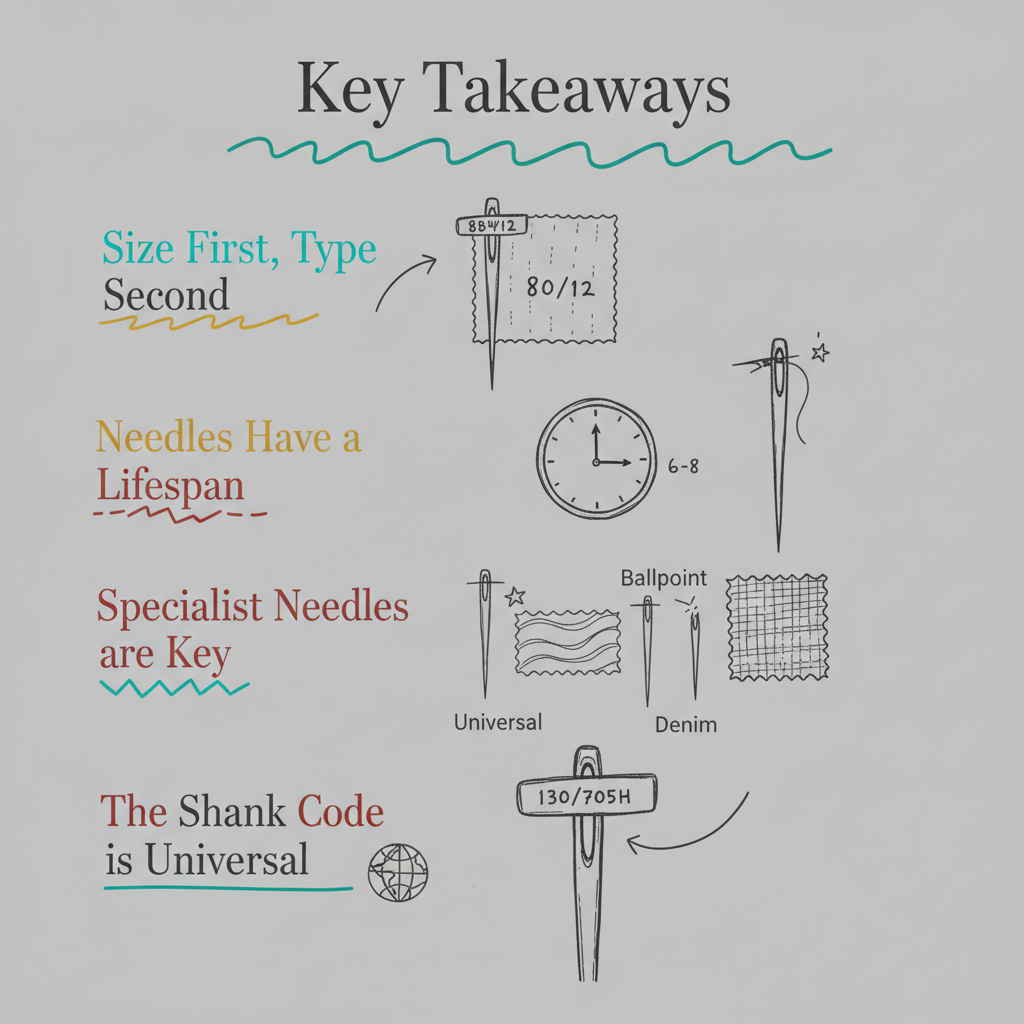
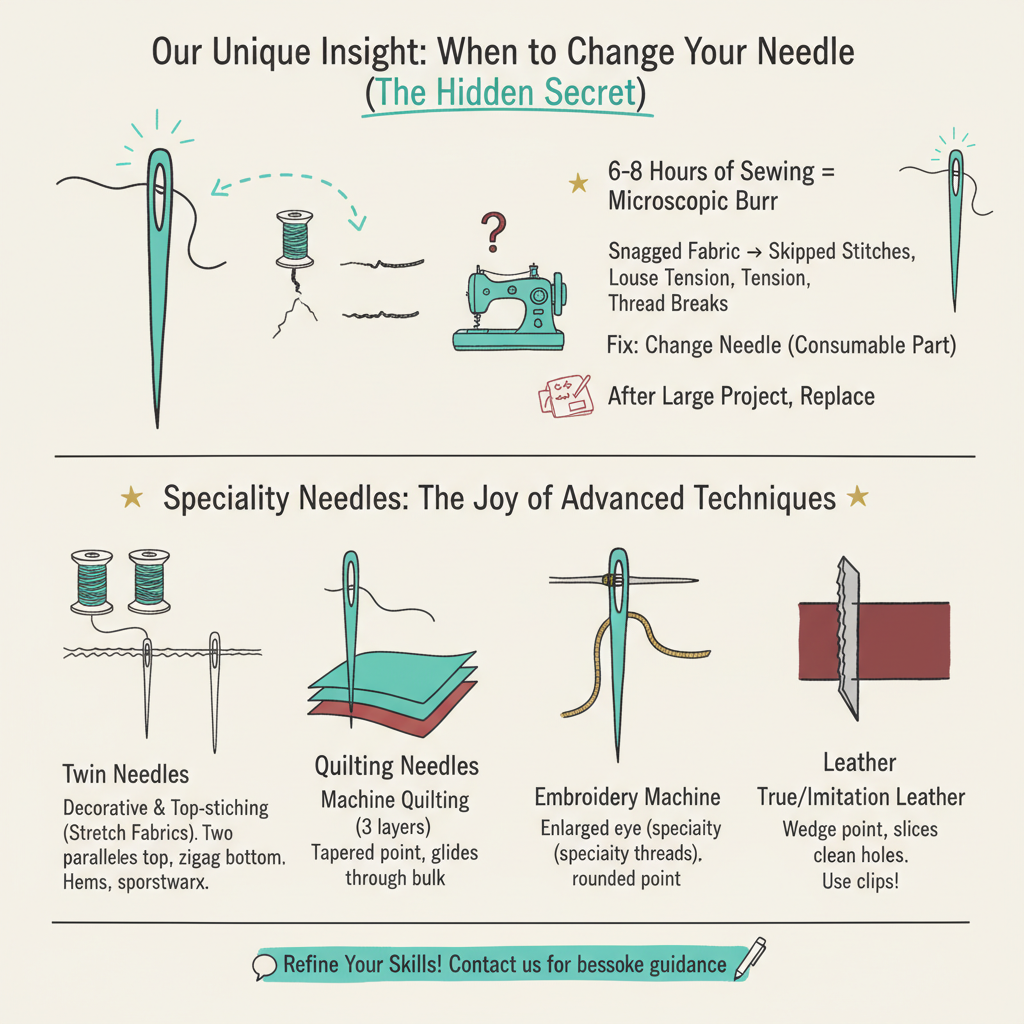
    • Needle Assortment: Having the right needle for your fabric is crucial. Keep a selection of universal, denim, and ballpoint needles handy.
    • Extra Bobbins: Pre-wound bobbins save a huge amount of time, especially with a sewing machine portable.
    • Thread: A basic selection of good quality threads in black, white, and a few key colours.
    • Seam Ripper: An indispensable tool for unpicking mistakes.
    • Small Scissors/Thread Snips: For quick, clean thread cutting.
    • Measuring Tape/Ruler: For accurate measurements on the go.
    • Fabric Clips or Pins: To hold fabric layers securely together.
    • Small Screwdriver: For basic maintenance tasks, such as changing the needle plate.

    Choosing the Right Portable Sewing Kit

    A portable sewing kit is a brilliant complement to your machine, allowing you to handle quick hand sewing tasks. A good pre-made kit should contain needles, thread, a thimble, scissors, and a measuring tape. You can also easily compile your own custom kit with the essentials you use most.

    Additional Useful Accessories

    Portable Embroidery Machine: For those with an interest in machine embroidery, a portable embroidery machine is a specialised option that allows you to add beautiful designs to your projects wherever you are.

    Portable Sewing Machine Table: An extension table gives you more space for larger projects and helps to support the weight of the fabric.

    Carry Case/Dust Cover: A dedicated case or dust cover will protect your machine from damage and dust when you’re transporting or storing it.

    Finding Quilt Shops Near Me

    (Quilt Shops Near Me / Quilting Shops Near Me / Quilt Shop Near Me / Quilt Stores Near Me / QuiTechniques for Efficient Portable Machine Sewing (Portable Machine Sewing)

    Even with a simple machine, there are a few techniques that will make your portable machine sewing experience smoother.

    How to Set Up Your Portable Sewing Machine

    1. Stable Surface: Always place your sewing machine portable on a flat, stable surface to prevent vibration and ensure a consistent stitch.
    2. Powering Up: Whether you’re using mains electricity or batteries, ensure your machine is properly powered on before you start.
    3. Threading: Always consult your machine’s manual for the correct threading path. Incorrect threading is the number one cause of most sewing machine problems.
    4. Test Stitching: Before you start on your project, always do a quick test stitch on a scrap of fabric to check your tension and stitch quality. This is especially important for a sewing machine for beginners.

    Best Practices for Portable Machine Sewing

    • Fabric Compatibility: Remember that a mini portable sewing machine has limitations. Avoid heavy-duty fabrics like thick denim or multiple layers, as this can strain the motor and lead to broken needles.
    • Speed Control: A steady, manageable pace is key. Don’t rush, as this can lead to uneven stitches and potential machine jams.
    • Guiding Fabric: Use your hands to gently guide the fabric through the machine, but never pull or force it. Let the feed dogs do the work.
    • Start with Simple Projects: Begin with easy tasks like hemming, simple repairs, or crafting a small pouch. This will help you build confidence.
    • Managing Tension: Learn how to make basic tension adjustments. A good rule of thumb is to start with a medium setting and adjust as needed, checking your test stitches.

    Troubleshooting Common Issues

    Even with the best preparation, you might encounter issues. Don’t worry, these are almost always fixable.

    Machine Jams: Always ensure your bobbin is inserted correctly and that you are not sewing over pins.

    Skipped Stitches: This is often caused by a blunt, bent, or incorrectly inserted needle.

    Thread Breakage: This can be due to poor quality thread, improper threading, or incorrect tension.

    Maintenance Maintenance and Care for Your Portable Sewing Machine

    Keeping your portable sewing machine in good condition is vital for its longevity and performance.

    Keeping Your Portable Sewing Machine in Good Condition

    • Regular Cleaning: Use a small brush to regularly clean the lint and thread build-up from the bobbin area and the feed dogs.
    • Oiling: If your machine requires it, follow the manufacturer’s recommendations for oiling. This is a vital step for a durable sewing machine.
    • Needle Replacement: Change your needle regularly. A fresh, sharp needle makes a huge difference in stitch quality.

    Tips for Cleaning and Storing Portable Sewing Machines

    • Proper Storage: Always store your machine in a clean, dry place, and use a dust cover or hard case to protect it from dust and bumps.
    • Battery Removal: If you have a battery-operated sewing machine, remove the batteries when storing it for a long period to prevent corrosion.
    • Professional Servicing: Even a small machine can benefit from a professional check-up every year or two, especially if you use it frequently.

    Conclusion: Empowering Your Sewing On The Go

    A portable sewing machine is more than just a convenience—it’s an invitation to a more creative and flexible way of life. Whether you’re mending a hem in a hurry, taking your skills to a workshop, or simply don’t have the space for a full-sized machine, a compact sewing machine can be a powerful and empowering tool.

    With the right knowledge about features, the right sewing machine accessories, and a little care, you can make the most of your portable sewing machine. We encourage you to read portable sewing machine reviews, choose the best portable sewing machine for your needs, and enjoy the freedom of stitching wherever you are. Happy sewing!

    About the Author: Grace, Founder of London Sewing Courses

    Grace is the heart and hands behind London Sewing Courses. A passionate and experienced sewing instructor, she founded the studio with a unique mission: to create a calm, friendly space for adults to learn and connect, while using the profits to fund free sewing classes for local children in need. Her personal expertise and commitment to community building are at the core of every class and every stitch.

  • Beginner’s Guide to Sewing Machines

    Beginner’s Guide to Sewing Machines

    Introduction: The Enduring Legacy of the Sewing Machine

    For centuries, the sewing needle and thread were the primary tools for creating and mending garments. Then, in the 19th century, a revolutionary invention changed everything: the sewing machine. It transformed the textile industry, brought the art of crafting into homes, and made the creation of clothing and home furnishings accessible to the masses. Today, the sewing machine remains an essential tool for millions of people around the world, from hobbyists to professional designers.

    However, for anyone new to the craft, the sheer variety of sewing machines on the market can be daunting. There are different types, brands, and countless features to consider. This comprehensive guide is designed to demystify the world of sewing machines, helping you understand their fundamentals, explore the different options available, and ultimately find the perfect machine to kickstart your creative journey.

    What is a Sewing Machine?

    At its core, a sewing machine is a mechanical device that uses a needle and a bobbin to join layers of fabric with a continuous stitch. It automates the hand-sewing process, making it faster, more consistent, and much more efficient.

    Basic Components and How They Work Together

    Understanding the basic anatomy of a sewing machine is the first step to using one effectively:

    • Motor: This is the power source, driving the internal mechanisms of the sewing machine to create the stitches.
    • Needle Bar & Needle: The needle of a sewing machine is attached to the needle bar and moves up and down, piercing the fabric to carry the upper thread through.
    • Presser Foot: This metal foot holds the fabric firmly against the feed dogs while you sew.
    • Feed Dogs: These small, toothed bars move the fabric forward, creating an even, consistent stitch length.
    • Bobbin System: The bobbin holds the lower thread. The machine’s hook catches this thread to create a secure lockstitch with the upper thread.

    Types of Sewing Machines

    Sewing machines are not a one-size-fits-all product. They come in various types, each with its own purpose and set of features.

    1. Manual/Mechanical Sewing Machines (Manual Sewing Machine)

    A manual sewing machine is operated with dials and levers. It is often a very robust and straightforward machine with a limited number of stitches.

    • Pros: They are easy to understand, reliable, and durable, making them an excellent choice for a sewing machine for beginners.
    • Cons: They lack the automated features of more modern machines.

    2. Electric Sewing Machines (Electric Sewing Machine)

    The electric sewing machine is the most common type of machine found in homes today. They are powered by electricity and operated with a foot pedal.

    • Popularity: They are versatile and offer a wide range of features, from basic utility stitches to more decorative options.

    3. Computerized Sewing Machines (Computerized Sewing Machine)

    A computerized sewing machine is the modern version of the home sewing machine. It is controlled by a microprocessor and often features an LCD screen for selecting stitches and settings.

    • Pros: These are often referred to as an automatic sewing machine due to features like automatic needle threading, thread cutting, and even programmable stitch sequences. They offer a vast library of stitches and advanced precision.
    • Cons: They can be more expensive and may be overwhelming for an absolute beginner.

    4. Heavy-Duty Sewing Machines (Heavy-Duty Sewing Machine / Singer Heavy Duty Sewing Machine)

    A heavy-duty sewing machine is built with stronger internal components and a more powerful motor than a standard domestic machine.

    • Purpose: They are specifically designed to handle thicker fabrics like denim, canvas, and multiple layers, and are a popular choice for those who need a durable sewing machine. A prime example is the singer heavy duty sewing machine range, which is well-regarded in the UK market.

    5. Portable Sewing Machines (Portable Sewing Machine)

    A portable sewing machine is a lightweight and compact machine designed for easy transport.

    • Ideal Use Cases: They are perfect for taking to sewing classes, workshops, or for those with limited space. A portable sewing machine can range from a very basic model to a feature-rich compact sewing machine.

    6. Industrial Sewing Machines (Industrial Sewing Machine)

    An industrial sewing machine is built for continuous, high-speed use in a factory or workshop setting.

    • Distinction from Home Machines: They are highly specialised, often performing only one type of stitch, and are not suitable for general home use due to their size, speed, and cost.

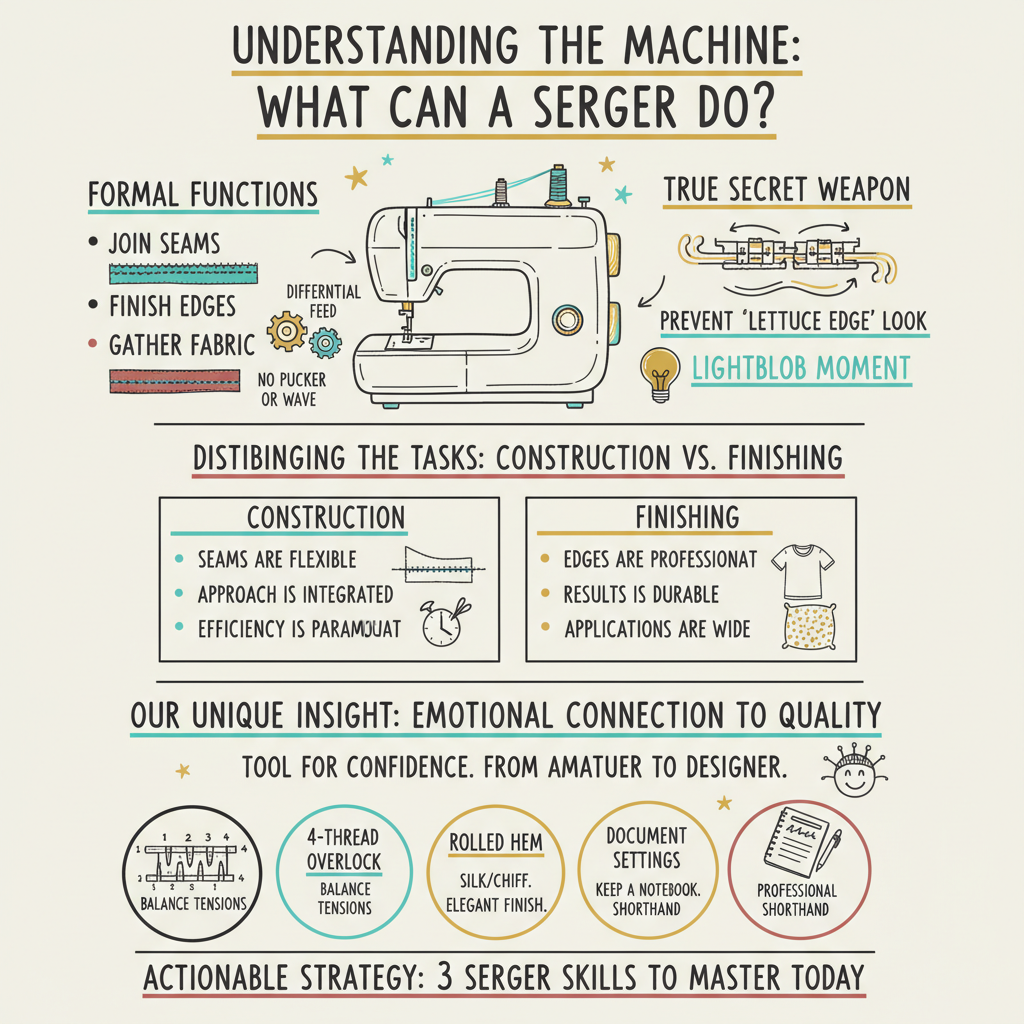
    7. Overlockers and Embroidery Machines

    These are specialised machines that are often used alongside a standard sewing machine. Overlockers (or sergers) are used to professionally finish seams, while embroidery machines are used for decorative stitching

    Popular Sewing Machine Brands (Sewing Machine Brands)

    The UK market is home to some of the world’s leading sewing machine brands. Here are some of the most prominent ones.

    1. Singer Sewing Machine (Singer Sewing Machine / Machine Singer Sewing / Singer Sewing Machine Sewing)

    Singer sewing machine is an iconic brand with a long history of making reliable machines. They are a household name in the UK.

    • Key Offerings: Singer is known for its wide range of products, from simple, affordable models for beginners to its powerful singer heavy duty sewing machine line. The search term machine singer sewing is often used by people looking for this brand.

    2. Brother Sewing Machine (Brother Sewing Machine / Sewing Brother Sewing Machines)

    Brother sewing machine is a modern brand known for user-friendly features and excellent value.

    • Product Range: They have a wide selection of machines that are particularly popular for home sewing and embroidery. Many people searching for sewing brother sewing machines are looking for a reliable, easy-to-use machine.

    3. Janome Sewing Machine (Janome Sewing Machine)

    Janome sewing machine is a Japanese brand that is highly regarded for its precision, smooth operation, and durability.

    • Specialisation: They are a favourite among quilters and garment makers, offering a broad spectrum of machines from entry-level to advanced.

    4. Juki Sewing Machine (Juki Sewing Machine)

    Juki sewing machine has an industrial heritage, which is reflected in their home machines. They are known for powerful motors, high stitch quality, and robust construction.

    • Target Audience: Juki is favoured by those who sew heavy fabrics or require a durable sewing machine with industrial-level performance.

    5. Bernina Sewing Machine (Bernina Sewing Machine)

    A bernina sewing machine is a premium, Swiss-engineered machine known for its exceptional precision, durability, and smooth stitching.

    • Price Point: Bernina machines are often at the higher end of the price spectrum but are beloved by experienced sewers and quilters for their advanced features and quality.

    Other Notable Brands in the UK

    You will also find other great brands in UK shops, such as Pfaff, Husqvarna Viking, Silver, and Toyota.

    Finding Quilt Shops Near Me

    (Quilt Shops Near Me / Quilting Shops Near Me / Quilt Shop Near Me / Quilt Stores Near Me / Essential Features to Look For (Sewing Machine Features)

    When you are ready to buy a sewing machine, understanding these key features will help you make an informed decision.

    1. Stitch Options

    • Basic Utility Stitches: Every machine, especially a sewing machine for beginners, should have a straight stitch for general sewing and a zigzag stitch for finishing raw edges or sewing on knit fabrics.
    • Buttonhole Stitches: A buttonhole function is a very useful feature. A one-step buttonhole is much easier to use for beginners than a four-step version.
    • Decorative Stitches: These are extra stitches for embellishment and are more common on computerised models.

    2. Needle Types and System (Needle of a Sewing Machine)

    • Universal Needles: A universal needle of a sewing machine is good for most woven fabrics.
    • Specialised Needles: You will need specialised needles for different types of fabrics, such as ballpoint for knits, denim for heavy fabrics, and leather needles for a leather sewing machine.
    • Needle Insertion: The needle of a sewing machine must be inserted correctly to function properly. It’s a good idea to check this first if you encounter problems.

    3. Presser Feet and Accessories (Sewing Machine Accessories)

    Your machine comes with some basic sewing machine accessories, but you can also buy specialised feet to make your projects easier.

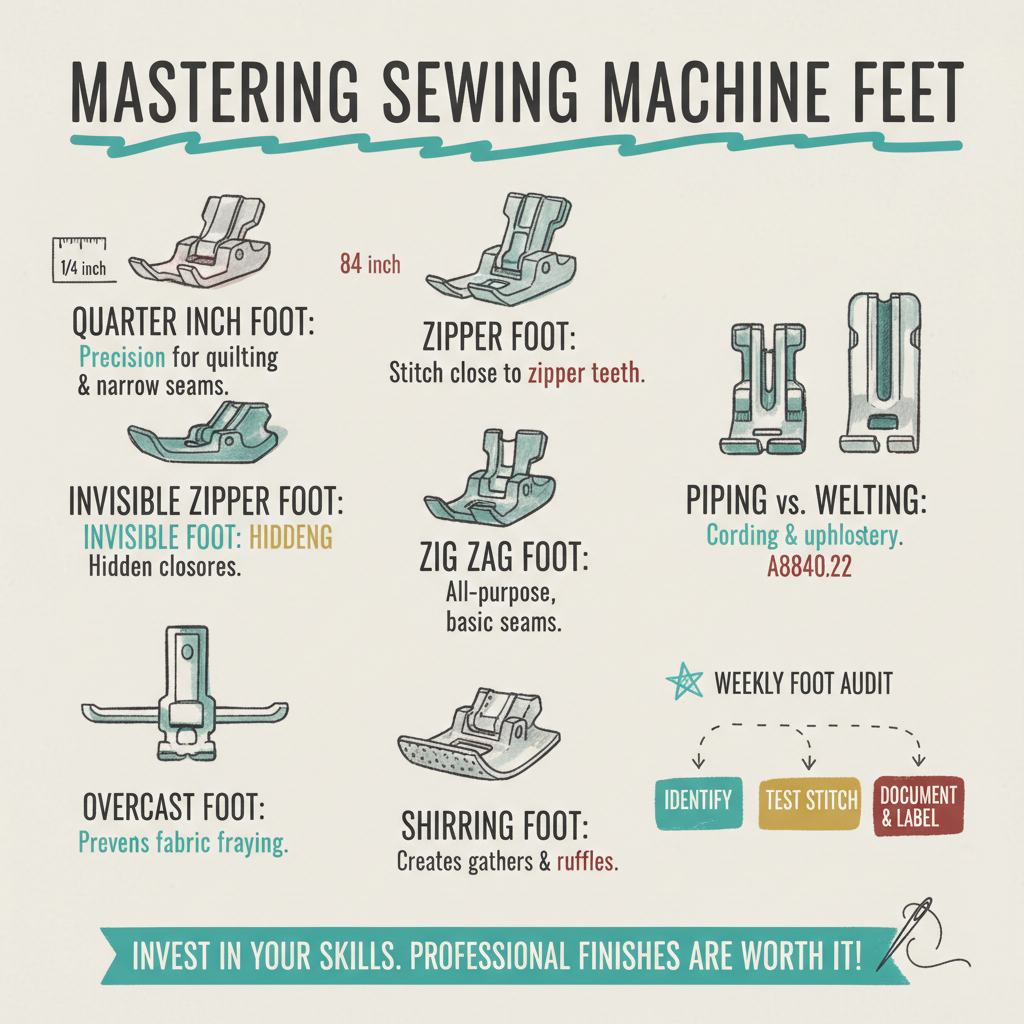
    • Standard Presser Feet: These include an all-purpose foot, a zipper foot, and a buttonhole foot.
    • Specialty Feet: A walking foot is essential for a sewing machine for quilting, a free-motion quilting foot is for free-motion quilting, and a rolled hem foot is for creating perfect hems.

    4. Automatic vs. Manual Functions

    • Automatic Needle Threader: This is a highly valued feature that significantly reduces frustration.
    • Automatic Thread Cutter: This is a great time-saving feature that trims the threads at the end of a seam.
    • Speed Control Slider: A slider allows you to control the maximum speed of the machine, which is excellent for a sewing machine for beginners.
    • Needle Up/Down Position: This feature is invaluable for pivoting fabric accurately.

    5. Bobbin System

    A top-loading, drop-in bobbin is generally easier for beginners as it’s easy to access and see when the thread is running out.

    6. Tension Control

    Correct tension is crucial for a balanced, even stitch. Understanding how to adjust the tension dial is an important skill to learn.

    7. Free Arm

    A free arm is a narrow sewing bed that you can use for sewing small, tubular items like cuffs and trouser hems.

    8. Lighting

    Good built-in LED lighting is a brilliant feature for better visibility of the sewing area.

    Choosing the Best Sewing Machine for Beginners

    (Best Sewing Machine for Beginners)

    Finding the best sewing machine for beginners is about balancing a few key factors to find a machine that suits your needs and budget.

    • Budget: Set a realistic budget. An excellent sewing machine for beginners doesn’t have to be expensive.
    • Intended Use: What types of projects will you focus on? If you’re a keen quilter, you’ll need a different machine than someone who just wants to mend clothes.
    • User-Friendliness: Look for an easy-to-use sewing machine with clear instructions and an intuitive design.
    • Durability: A machine with a robust build, such as a metal internal frame, will last longer.
    • Brand Reputation & Support: Choose a brand with a good reputation and reliable after-sales service and warranty in the UK.

    Sewing Machine Maintenance and Repair

    Regular maintenance is key to keeping your sewing machine in good working order.

    Common Issues

    • Skipped Stitches: Often caused by a dull, bent, or incorrectly inserted needle of a sewing machine.
    • Thread Jams: Usually caused by improper threading of the machine.
    • Broken Needles: Forcing fabric or sewing over a pin can break a needle.

    Troubleshooting Tips for Maintaining Your Sewing Machine (Sewing Machine Maintenance)

    • Regular Cleaning: Remove lint from the bobbin area and feed dogs using a small brush.
    • Oiling: Follow your manual’s guide for where and how often to oil your machine.
    • Needle Replacement: Change your needle of a sewing machine frequently for the best results.
    • Proper Storage: Use a sewing machine cover to protect it from dust when not in use.

    When to Seek Professional Help (Sewing Machine Repair / Sewing Machine Repair Near Me)

    If you have a complex issue, it’s best to take your machine to a qualified technician. Searching for “sewing machine repair near me” will help you find local services in the UK.

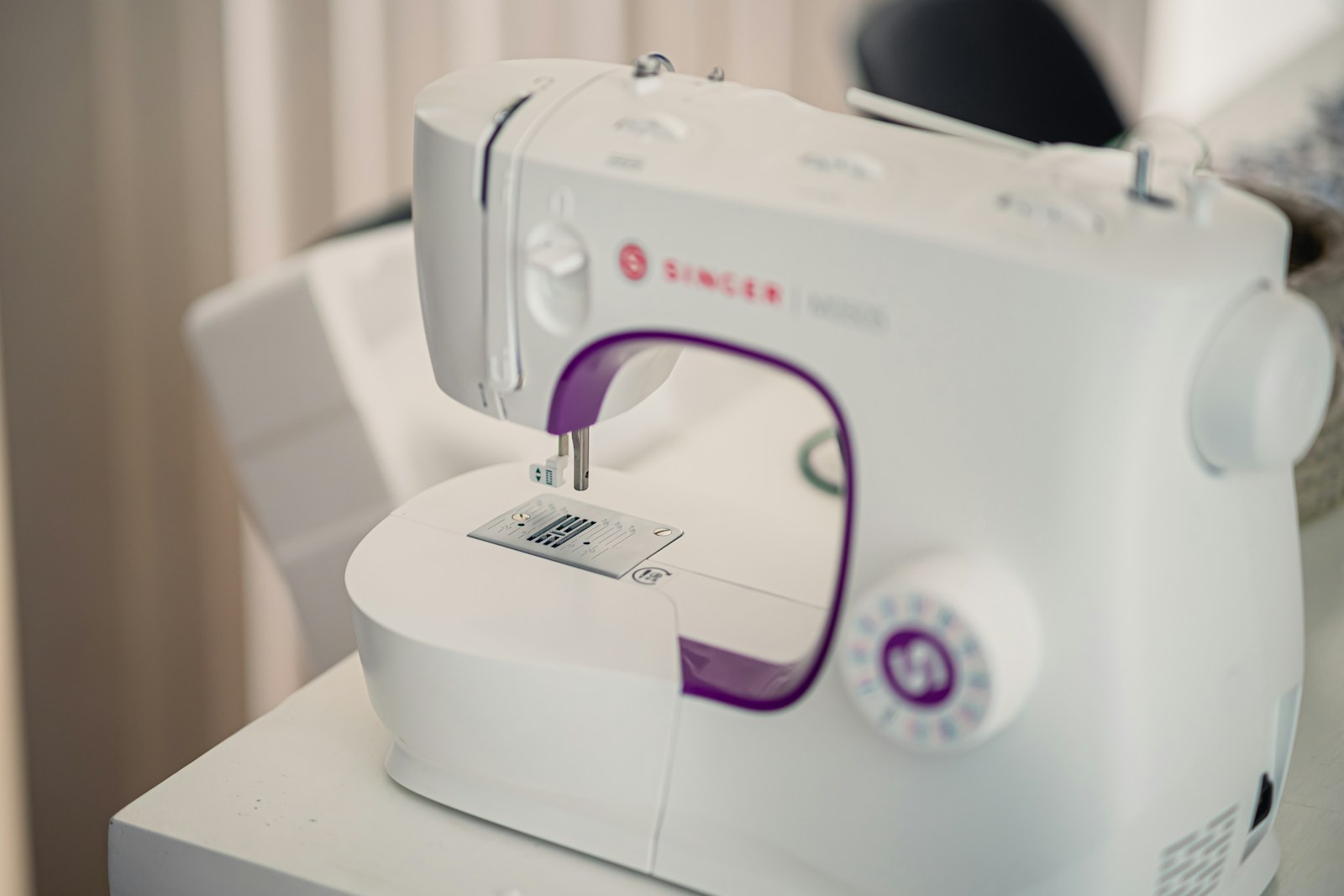
    A sewing machine sitting on top of a table

    Sewing Machines for Specific Projects

    Some projects require a specialised sewing machine to achieve the best results.

    1. Sewing Machine for Quilting (Sewing Machine for Quilting / Sewing Machine for Patchwork)

    • Key Features: A large throat space, a precise 1/4-inch seam capability, and a walking foot are essential for a sewing machine for quilting or sewing machine for patchwork.

    2. Sewing Machine for Upholstery (Sewing Machine for Upholstery)

    • Key Features: A powerful motor and a heavy-duty sewing machine with a high presser foot lift are required for a sewing machine for upholstery to handle thick, dense fabrics.

    3. Leather Sewing Machine (Leather Sewing Machine)

    • Key Features: A very strong motor, a walking foot, and specialised leather needles are needed for a leather sewing machine to sew through tough leather without damaging the material or the machine.

    4. Eco-Friendly and Multi-Functional Machines (Eco-friendly Sewing Machine / Multi-functional Sewing Machine)

    • An eco-friendly sewing machine is a machine made with sustainable practices, while a multi-functional sewing machine can combine sewing, quilting, and embroidery capabilities for the versatile crafter.

    Conclusion: Your Perfect Stitching Partner Awaits

    The world of sewing machines is vast and full of exciting possibilities. By understanding the different types, the best brands in the UK, and the key features to look for, you can make a confident choice that will support your creativity. Whether you’re mending a hem, creating a quilt, or tackling a complex garment, the right sewing machine is your perfect stitching partner. We encourage you to explore sewing machine reviews, visit local shops, and confidently select the best sewing machine to start or enhance your crafting adventures.

    About the Author: Grace, Founder of London Sewing Courses

    Grace is the heart and hands behind London Sewing Courses. A passionate and experienced sewing instructor, she founded the studio with a unique mission: to create a calm, friendly space for adults to learn and connect, while using the profits to fund free sewing classes for local children in need. Her personal expertise and commitment to community building are at the core of every class and every stitch.

  • 7 Top Rated Sewing Machines for Quilting

    7 Top Rated Sewing Machines for Quilting

    Introduction: Finding Your Perfect Quilting Companion

    Quilting is a truly special craft. It’s an art form that combines the precision of patchwork with the creativity of free-motion quilting, all to create something beautiful and lasting. The journey of transforming simple fabric into a cherished quilt is incredibly rewarding. However, to make this journey as smooth and enjoyable as possible, having the right tools is paramount. While you can technically quilt on any machine, a dedicated or feature-rich machine makes a significant difference, saving you time, effort, and a lot of frustration.

    In this guide, we’ll help you navigate the world of quilting machines. We’ll explore what makes a machine a true quilting companion and help you understand what features to look for in a best rated sewing machine for quilting. We’ll delve into the essential features that turn a good machine into a great one for quilters, discuss some of the best rated sewing machines for quilting available in the UK market, and highlight some indispensable accessories. By the end, you’ll have all the information you need to find the best sewing machines for quilters and stitch your quilting dreams into reality.

    Key Features of Best Rated Sewing Machines for Quilting

    So, what exactly should you look for when shopping for a machine specifically for quilting? Here are the key features that set the best rated sewing machines for quilting apart from standard models.

    1. Expansive Throat Space

    The throat space is the area between the needle and the main body of the sewing machine. For quilters, this is a non-negotiable feature. As you move from piecing small blocks to quilting a large, multi-layered project, that space becomes your best friend.

    • Why it’s important: A generous throat space, often called a ‘long arm’ on domestic machines, is crucial for managing the bulk of a large quilt. It allows you to roll and manoeuvre your project without constantly stopping and starting, which is a game-changer for straight-line quilting and free-motion quilting.

    2. Superior Stitch Quality and Options

    For quilting, stitch quality is everything. You need a machine that can produce precise, consistent stitches every time.

    • Precise Straight Stitch: The cornerstone of sewing machine for patchwork. A perfect 1/4-inch seam is vital for making your patchwork blocks fit together accurately. Look for a machine that can be set to this precise measurement and holds its tension beautifully.
    • Specialised Quilting Stitches: On more advanced computerized sewing machines for quilting, you might find dedicated quilting stitches, such as hand-look quilting stitches or stippling patterns, that can add a professional finish to your work.
    • Utility Stitches: Don’t forget the basics. A good zigzag stitch is necessary for appliqué, while a blanket stitch or other utility stitches are great for finishing edges.

    3. Robust Feed Mechanisms

    Feeding your quilt layers evenly is perhaps the biggest challenge in quilting. A machine with a reliable feed mechanism can solve this problem.

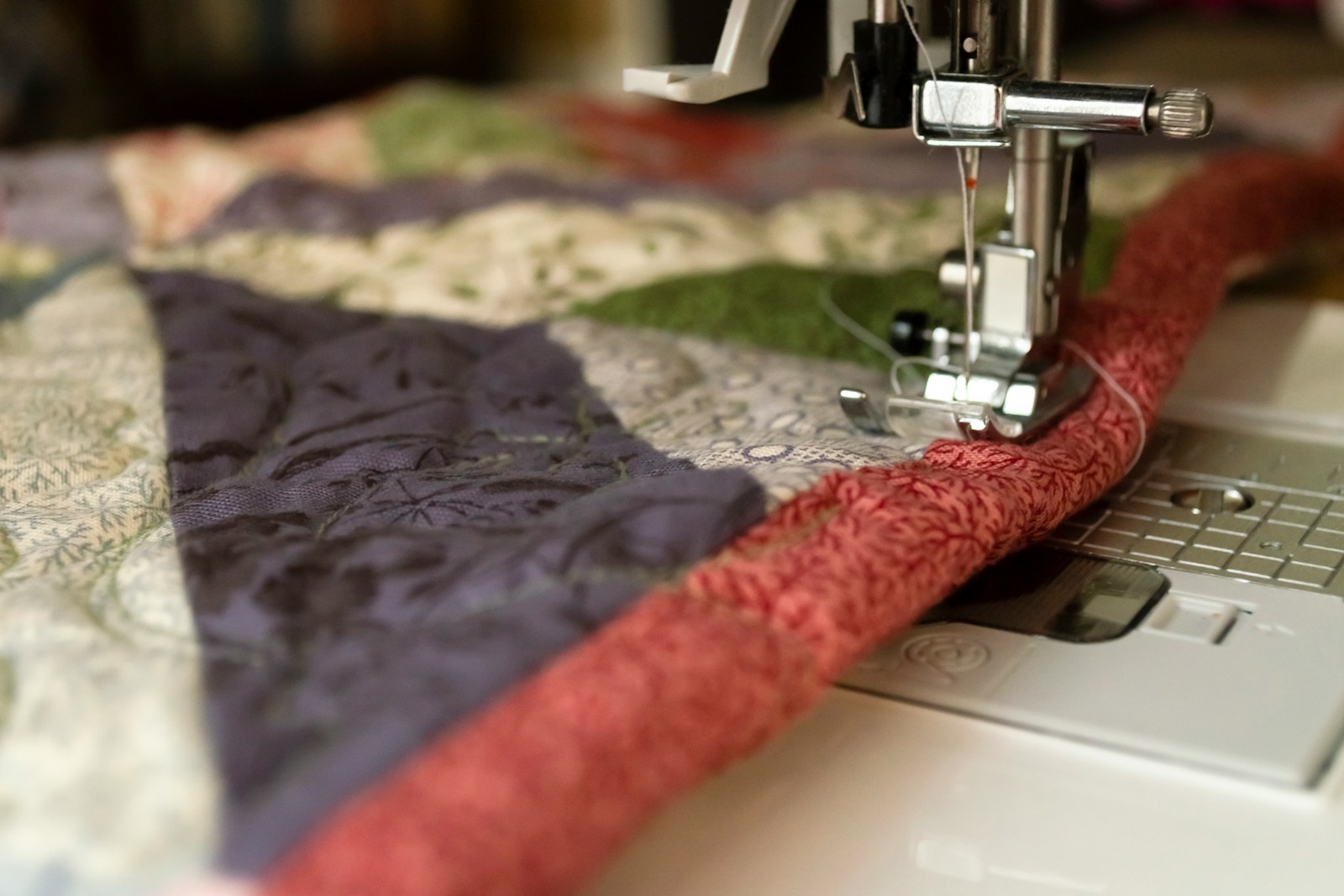
    • Even Feed/Walking Foot Compatibility: A walking foot is a must-have accessory that helps the machine feed the top layer of your fabric at the same rate as the feed dogs feed the bottom layer. This prevents puckering and shifting, which is a common issue when sewing through multiple layers. Some higher-end models even have a built-in dual feed system, which works in a similar way and is an incredible feature for quilters.
    • Drop Feed Capability: This feature allows you to lower the feed dogs, giving you complete control over the fabric’s movement. It’s absolutely essential for free-motion quilting, where you’re ‘drawing’ with the needle.
    • Strong Motor: Quilting involves sewing through several layers of fabric and batting. A machine with a robust motor is needed to power through these layers without straining or skipping stitches.

    4. Enhanced Lighting

    Quilting, especially detailed work, requires excellent visibility.

    • Bright LED lighting: Good lighting, often provided by multiple LED lights, illuminates the needle area and a significant portion of the work surface. This helps you see your stitches clearly and reduces eye strain, particularly when working with intricate patterns or dark fabrics.

    5. Speed Control

    Quilting often requires varying speeds for different tasks.

    • Adjustable Speed Slider: A speed control slider is a fantastic feature. It allows you to set a maximum speed, which is incredibly useful for precise piecing and for controlling your free-motion quilting.
    • Start/Stop button: Many quilters find a start/stop button helpful, as it allows them to sew without a foot pedal. This can be great for hands-on, intricate work.

    6. Needle Up/Down Feature

    This small feature makes a world of difference for a quilter.

    • Perfect Pivoting: With the press of a button, you can set the machine to stop with the needle in the down position. This is invaluable for pivoting at corners and for intricate appliqué work, as it keeps your fabric securely in place.

    7. Knee Lift

    An ergonomic feature that’s a true luxury for quilters.

    • Hands-Free Operation: A knee lift is a lever that you nudge with your knee to raise and lower the presser foot. This allows you to keep both hands on your project at all times, guiding the fabric precisely without having to stop and reach for a lever.

    8. Automatic Thread Cutter

    Another feature that, once you have it, you can’t imagine quilting without.

    • Time-Saving Convenience: An automatic thread cutter trims both the top and bobbin threads with the press of a button. It’s a significant time-saver and makes for much tidier work.

    9. Extension Table Compatibility (or Included)

    An extension table provides a larger, flat surface to support your project.

    Reduced Drag: By providing a larger workspace, an extension table reduces the drag of a heavy quilt, making it much easier to move the fabric smoothly. Many quilting-specific machines come with one included, but if not, it’s a worthwhile accessory to purchase.

    Top 7 Sewing Machines for Quilters

    (Best Rated Sewing Machines for Quilting / Top Quilting Sewing Machines)

    Finding the right machine is a personal journey, but to get you started, here are seven categories of machines that are consistently praised in quilting sewing machine reviews in the UK.

    1. Beginner-Friendly Quilting Machine

    For those just starting, the ideal machine is a solid, user-friendly model that includes key quilting features without a huge price tag. A great sewing machine recommendation for quilting in this category would be a Brother or Janome compact quilting model.

    • Key Features: Look for a computerised machine with a decent throat space for smaller projects, a good array of utility stitches, speed control, and the inclusion of a walking foot and 1/4-inch seam foot. These machines are a perfect entry point for those new to patchwork.

    2. Mid-Range Workhorse for Enthusiasts

    This category is for the passionate quilter who is ready to upgrade their machine for more advanced features. The Singer Quantum Stylist 9960 is a classic example of a mid-range machine that is well-loved for its durability and extensive feature set.

    • Key Features: Higher stitch count, automatic needle threader, a powerful motor, and a variety of quilting-specific accessories. This type of machine is a true all-rounder for an enthusiastic quilter.

    3. Durable Mechanical/Heavy Duty Option

    For quilters who prefer a robust, no-nonsense machine that can power through thick layers, a heavy-duty mechanical machine is an excellent choice. The Janome HD3000 or the Singer Heavy Duty 44XX series are often recommended for their simple-to-maintain nature and sheer strength.

    • Key Features: A strong motor, a sturdy metal frame, and fewer electronic parts to go wrong. These machines are perfect for a sewing machine for patchwork and for handling thick layers of fabric and batting.

    4. Advanced Computerised Machine

    As your skills grow, you might want a machine that offers more customisation and precision. Machines like the Brother Innov-is F series or Janome M series are a fantastic next step.

    • Key Features: A larger throat space, a colour touchscreen for easy stitch selection, advanced tension control, and a wide variety of dedicated quilting feet. These computerized sewing machines for quilting offer fantastic precision for both piecing and intricate free-motion quilting.

    5. Premium Quilting & Sewing Machine

    For the dedicated quilter, a premium machine like the Bernina 570 QE or Pfaff Quilt Expression 720 is a dream. These are the top quilting sewing machines and are renowned for their superior stitch quality and innovative features.

    • Key Features: Large throat space, integrated dual feed, a vast selection of high-quality stitches, superior lighting, and ergonomic designs that make hours of sewing a joy. These machines are a serious investment but offer unparalleled performance.

    6. Long-Arm Domestic Quilting Machine

    For quilters who want to tackle very large projects without the expense of an industrial long-arm machine, there are domestic models with extended arm space, such as specific Brother or Janome models.

    • Key Features: A very large throat space that makes a queen-sized quilt manageable, high stitching speeds, and often come with precise stitch regulation to ensure perfect, even stitches.

    7. Portable Quilting Machine

    For the quilter who travels to classes or has limited space, a sturdy, compact model is a great option. These machines, often from brands like Brother or Janome, are lightweight but still offer key features.

    Key Features: Lighter weight, still provide an adequate throat space for smaller projects, consistent stitch quality, and walking foot compatibility.

    Quilting Accessories for Sewing Machines (Quilting Accessories for Sewing Machines)

    Even the best rated sewing machine for quilting needs the right accessories to truly shine. Here are some of the essential tools every quilter should have.

    Essential Presser Feet:

    • Walking Foot: Absolutely indispensable for keeping your layers from shifting.
    • 1/4-inch Seam Foot: For achieving that perfect, consistent seam allowance in your patchwork.
    • Darning/Free-Motion Quilting Foot: The foot you need for free-motion quilting, allowing you to move your fabric in any direction.
    • Open Toe Appliqué Foot: Provides excellent visibility for intricate appliqué work.

    Cutting Tools:

    • Rotary Cutters: A sharp rotary cutter is essential for precise, efficient cutting. You’ll want a few different sizes for various tasks.
    • Self-Healing Cutting Mats: A must-have to protect your surfaces and prolong the life of your rotary cutter blades.
    • Fabric Shears: A good pair of shears dedicated to fabric is a key tool in any sewing room.

    Other Useful Accessories:

    • Pins & Clips: For securing your layers, both pins and quilting clips are incredibly useful.
    • Quilting Rulers: Acrylic rulers in various sizes are crucial for accurate cutting.
    • Quilting Gloves: Provide a better grip on your fabric during free-motion quilting, helping you guide the fabric more easily.
    • Quilting Needles: Needles specifically designed for quilting are stronger and sharper, allowing them to pierce multiple layers without breaking or skipping stitches.
    • High-Quality Thread: Investing in good-quality cotton or polyester thread will result in better-looking, more durable quilts.

    What to Consider When Choosing a Sewing Machine for Quilting (Sewing Machine Recommendations for Quilting)

    Choosing the right machine is a big decision. Here are some final points to consider.

    • Maintenance: Remember to regularly clean the lint from your machine, especially when using batting. Regular professional servicing will keep your machine running smoothly for years to come.
    • Budget: Be realistic about your budget. The price of machines varies widely, and knowing what you can afford will help you narrow down your choices. Remember that a higher price often means more features and durability, but there are excellent machines at every price point.
    • Quilting Level & Goals: A beginner doing small patchwork projects has different needs than an experienced quilter tackling king-sized quilts. Think about what you want to achieve with your quilting.
    • Space Availability: Consider the size of the machine and the throat space. Will it fit comfortably in your sewing area?
    • Dealer Support & Warranty: Especially for a more expensive machine, a good warranty and local dealer support in the UK can be invaluable for servicing, repairs, and advice.
    • Test Drive: If possible, try out a machine before you buy it. The feel of a machine in your hands is a very personal thing, and it’s important to find one that feels right for you.

    Conclusion: Stitching Your Quilting Dreams

    The quest for the best rated sewing machine for quilting is a journey in itself, but a rewarding one. The perfect machine is the one that empowers you, not frustrates you. By focusing on the key features we’ve outlined—a generous throat space, superior stitch quality, and reliable feed mechanisms—you can confidently find a machine that will be your trusted companion for years to come.

    Whether you’re a beginner just starting your patchwork journey or a seasoned pro looking for an upgrade, investing in the right machine will enhance your creativity and allow you to produce beautiful, lasting quilts. So, take the time to do your research, read the quilting sewing machine reviews, and find a machine that not only meets your needs but inspires your quilting dreams. Happy stitching!

    About the Author: Grace, Founder of London Sewing Courses

    Grace is the heart and hands behind London Sewing Courses. A passionate and experienced sewing instructor, she founded the studio with a unique mission: to create a calm, friendly space for adults to learn and connect, while using the profits to fund free sewing classes for local children in need. Her personal expertise and commitment to community building are at the core of every class and every stitch.