Introduction to Seamstress Courses: Unlocking Your Sewing Potential
There’s a unique charm and enduring appeal to sewing and dressmaking that has captivated hearts for centuries. From the practical necessity of creating and mending clothes in ancient times to the artistic expression of haute couture today, sewing has always been a vital craft. In a world increasingly dominated by fast fashion, the desire to reconnect with our creative spirit and embrace sustainability has led to a wonderful resurgence in the art of sewing. You might already be familiar with the therapeutic rhythm of needle and thread, but have you considered turning that passion into a fulfilling hobby or even a career?
So, what exactly does a seamstress course entail? At its heart, a seamstress course is designed to guide you through the intricate world of textile arts, offering everything from foundational skills to advanced garment creation. These courses move far beyond basic mending, teaching you how to transform flat pieces of fabric into beautifully constructed, three-dimensional garments. You’ll delve into the nuances of various fabrics, learn to master your sewing machine, and understand the art of fitting and finishing. The goal is to equip you with the knowledge and techniques to craft bespoke couture garments, whether it’s for your own wardrobe or for others.
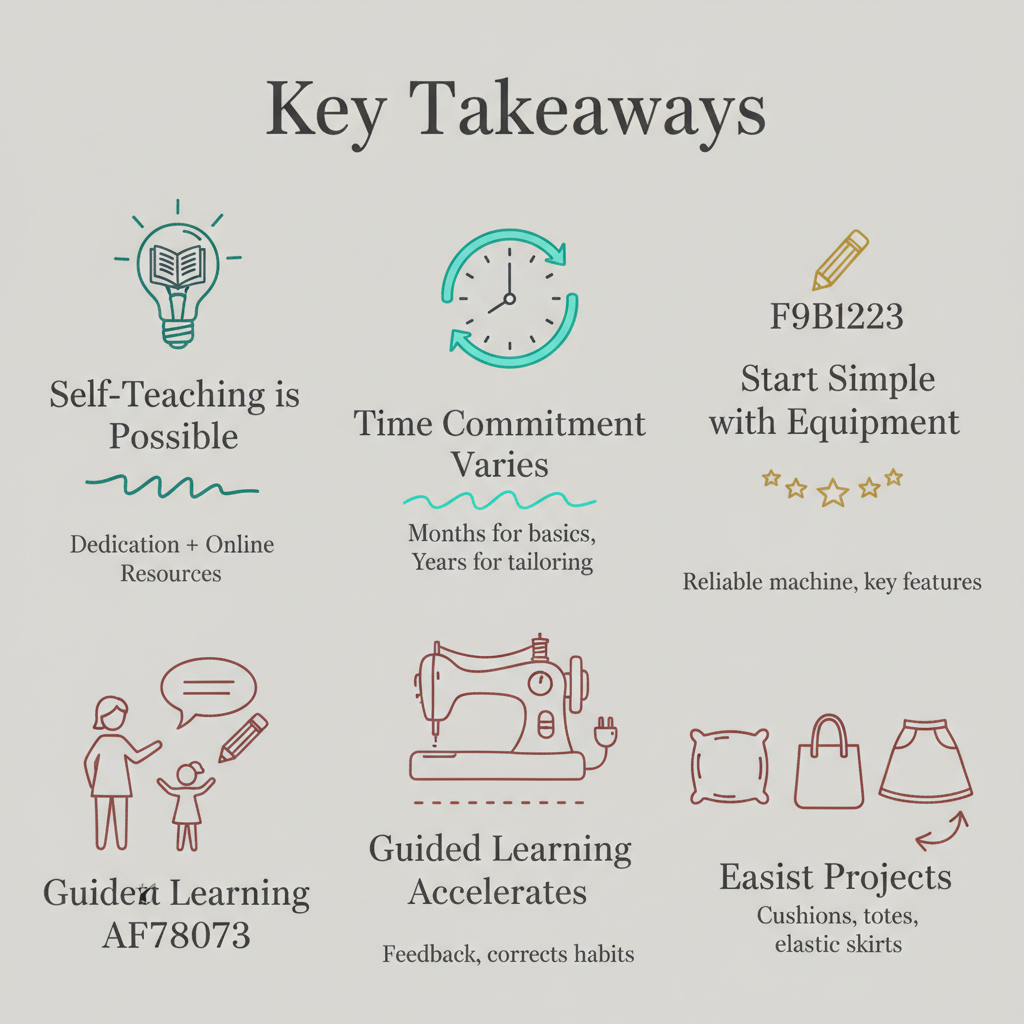
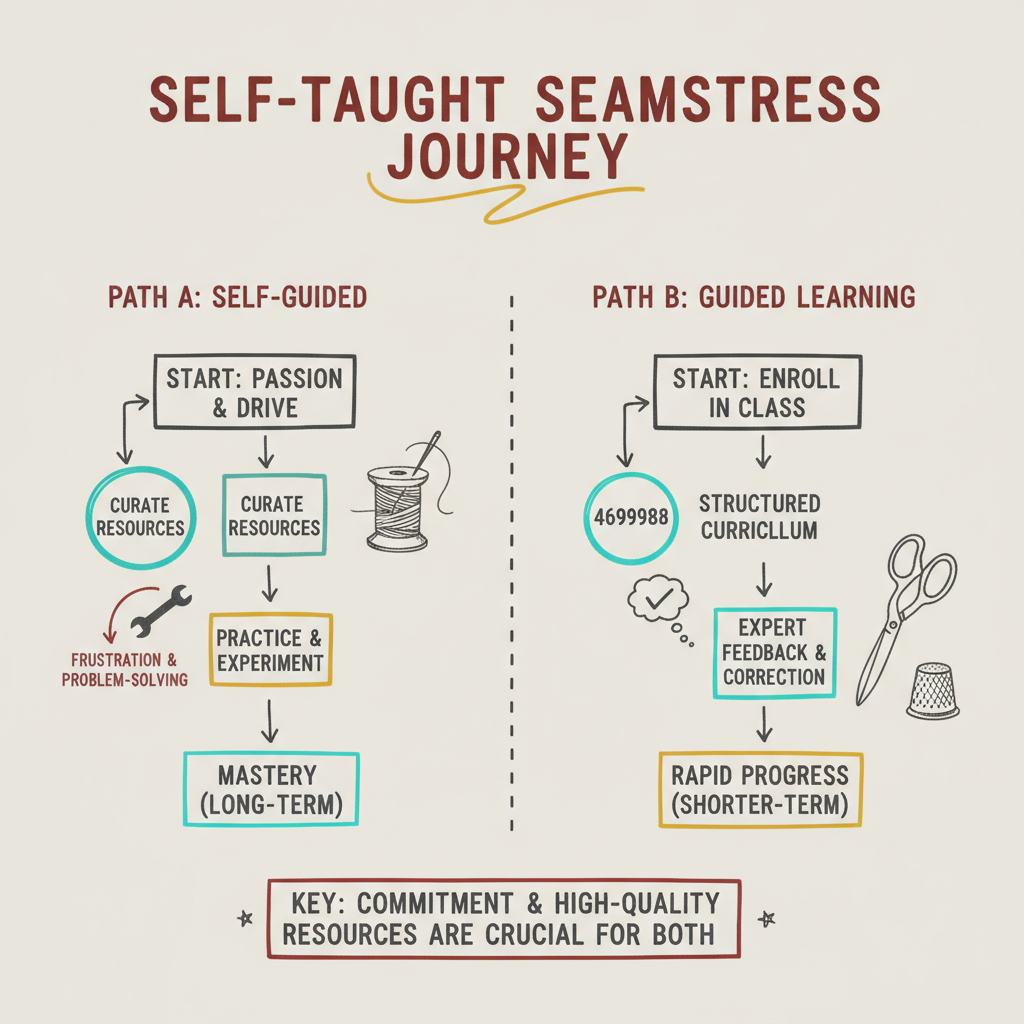
The benefits of structured learning are immense for both hobbyists and those considering a professional career path. While self-teaching through online tutorials and videos is certainly possible, a structured environment, whether in-person or online, ensures you build a strong foundation, learn proper techniques, and avoid developing bad habits. It’s like building a house: you wouldn’t start by picking out the paint; you’d focus on laying a strong foundation first. A well-designed seamstress course will provide that robust framework, leading to successful projects and growing confidence. This guide aims to be your compass in navigating the wide array of seamstress courses UK offers, helping you identify the perfect fit for your aspirations. We’ll cover everything from beginner-friendly options to more specialised and professional programmes, ensuring you find the right support for every step of your creative journey.
Overview of Sewing Classes for Beginners
Embarking on your stitching journey is an exciting prospect, and choosing the right entry point is crucial. Sewing classes for beginners are specifically designed to demystify the craft, breaking down complex processes into manageable, bite-sized lessons. These introductory courses are perfect for those just starting their sewing adventure or returning to the craft after a long break.
Starting Your Stitching Journey: Why Formal Instruction Matters
Many beginners might feel overwhelmed by the sheer volume of information available, from countless YouTube tutorials to an array of unfamiliar terminology in sewing books. This abundance can lead to confusion, frustration, or the feeling of being stuck. This is precisely why formal instruction matters. In a structured sewing classes for beginners environment, you receive expert guidance that prevents bad habits from forming and instils proper technique from the outset. This foundational knowledge is invaluable, allowing you to build confidence with each stitch and truly master the essential skills.
These courses move beyond basic mending, teaching you the principles of actual garment creation and design. While knowing how to sew a button or fix a hem is incredibly useful, seamstress courses expand your capabilities to drafting patterns, understanding fabric properties, and constructing entire pieces from scratch. They address the common misconception that sewing is overly complicated or exclusively for professionals, demonstrating its accessibility to anyone with enthusiasm and a willingness to learn. As Dressmaking Academy notes, their courses are designed to support everyone, from beginners to seasoned professionals, empowering you to create stunning couture with confidence. Similarly, Sew It Academy prides itself on helping absolute beginners master essential skills and build confidence, even making complex techniques manageable through step-by-step video instructions.
Importance of Seamstress Skills: A Valuable Craft
The skills gained through seamstress courses are not just practical; they are a valuable craft that offers numerous personal and potential professional benefits.
Personal Benefits: Creativity, Customisation, and Well-being
On a personal level, learning to sew allows for incredible creative expression. You gain the power to create unique garments that reflect your personal style, free from the limitations of mass-produced clothing. Imagine building an all-linen wardrobe or crafting pieces in a particular colour palette that truly strikes your fancy – it’s all possible when you’re the one making the decisions. You can customise clothing to achieve a perfect fit, which is especially beneficial for those who struggle with ready-to-wear sizes. This ability to tailor garments to your body ensures comfort and confidence. Beyond clothing, you can explore creative projects like bags, home decor, and accessories, infusing your personal touch into your surroundings.
Furthermore, sewing can be a deeply therapeutic and relaxing activity. The mindful act of working with your hands, focusing on each stitch, can be incredibly calming and a wonderful creative outlet away from the demands of a 9-5 job. Many find immense satisfaction in seeing a project come to life, from the first stitch to the final embellishment.
Potential Professional Avenues: Building a Sewing Career
For those with entrepreneurial aspirations, seamstress courses can open doors to exciting professional avenues. You could pursue opportunities in:
- Alterations: Becoming a skilled seamstress or tailor involves meticulously transforming fabrics into perfectly fitted garments. This includes mending, resizing, and customising clothes, a much-needed service for ensuring clothes fit impeccably.
- Bespoke Dressmaking: Specialising in crafting unique pieces like wedding dresses, suits, or costumes allows you to showcase creative talents in the fashion world. Dressmaking Academy, for instance, focuses specifically on bridal and formal couture.
- Costume Design: If you have a flair for storytelling through apparel, costume design for theatre, film, or television is an exciting path, involving research, sketching, and overseeing costume fittings.
- Fashion Production: This can range from operating industrial sewing machines for mass production in factories to becoming an upholsterer, restoring and enhancing furniture.
- Sewing Instruction: If you love to teach, becoming a sewing instructor allows you to share your passion and skills with new generations of sewists.
- Embroidery Specialist: Bringing decorative and intricate designs to life on fabrics using specialised machines or hand techniques.
- Sewing Blogger/Influencer: Leveraging your sewing expertise to create online content, tutorials, and reviews, potentially monetising through collaborations and sales.
Stratford Career Institute’s Sewing & Dressmaking course, for example, explicitly covers “sewing for profit,” indicating its potential as a stepping stone towards a new career. The U.S. Department of Labor notes that the median annual salary for tailors, dressmakers, and custom sewers can be around $37,230, with higher earnings for those with specific expertise or a loyal clientele.
Sustainability Aspect: Contributing to a More Sustainable Wardrobe
In an era of growing environmental consciousness, learning to sew also contributes to a more sustainable wardrobe by enabling you to make, mend, and upcycle. Instead of discarding clothes, you can repair them, adapt them, or transform them into new items, reducing textile waste and promoting a more mindful consumption. This aligns with the wider movement against fast fashion, empowering you to create durable, cherished pieces.
Types of Seamstress Courses Available
The learning landscape for sewing is wonderfully diverse, offering options to suit every preference, schedule, and budget. Whether you prefer the direct interaction of an in-person class or the flexibility of learning from home, there’s a seamstress course for you.
In-Person Seamstress Courses
Many learners thrive in an environment where they can receive direct, hands-on guidance. In-person seamstress courses offer this invaluable benefit, fostering a collaborative and supportive atmosphere.
Benefits of Hands-On Learning
The advantages of in-person instruction are numerous. You receive direct feedback from instructors on your technique, helping to correct mistakes in real-time and refine your skills instantly. This immediate troubleshooting is incredibly beneficial, as a teacher can identify and rectify errors as soon as they occur, which is a powerful learning tool. You often gain access to studio equipment, including industrial machines or specialised tools that might be too costly or impractical for home use. The collaborative environment of a group class can be incredibly motivating, allowing you to meet like-minded individuals, share ideas, and learn from more experienced sewists.
Typical Structure
In-person courses come in various formats:
- Group classes: These are a popular choice for sewing classes for beginners, providing a shared learning experience and the opportunity to interact with peers.
- One-to-one private lessons: For highly personalised instruction, private tutors offer tailored guidance, focusing on your specific needs and pace. Websites like Superprof allow you to find private sewing teachers who offer both online and face-to-face lessons at a reasonable price, often with a free first lesson to ensure a good fit.
- Intensive workshops: These focused sessions delve deep into a single technique or project, offering concentrated skill-building over a shorter period.
Finding Local Options
If you’re searching for seamstress courses near me, there are several avenues to explore. You can begin by searching online by city or region, for example, “seamstress courses London,” “seamstress course Milton Keynes,” or “seamstress course Peterborough”. Local community centres often host a variety of hobby classes, including sewing. Independent sewing schools, such as those mentioned in the brief like Bristol Sewing School or The Stitch Sisters, are dedicated to teaching the craft. Many fabric shops also offer classes, providing a convenient way to learn where you purchase your materials.
Considerations for In-Person Courses
While highly beneficial, in-person courses do come with considerations. You’ll need to factor in travel time to and from the venue and adhere to fixed schedules, which may not always align with a busy lifestyle. Class sizes can vary, and while smaller classes often mean more individual attention, larger ones can offer a broader peer group for interaction. Remember to weigh these factors against the invaluable benefits of direct, in-person interaction and hands-on guidance.
Online Seamstress Courses
For many, the flexibility and accessibility of online seamstress courses make them an ideal choice. These virtual sewing classes allow you to learn at your own pace, from anywhere in the UK or indeed, globally.
Benefits of Flexibility
The primary advantage of online seamstress courses is their incredible flexibility. You can learn from the comfort of your own home, eliminating travel time and allowing you to fit lessons around your existing commitments. This self-paced approach means you can start, pause, or rewatch lessons as often as you like, ensuring thorough understanding before moving on. Dressmaking Academy offers unlimited access to their bite-sized lessons, watchable on a computer, phone, or tablet. Sew It Academy operates on a similar model, offering access to over 90 courses with new content added monthly, available for as long as you maintain your membership.
Variety of Platforms
The range of online platforms offering seamstress online courses is vast. You can find:
- Dedicated online sewing schools: Platforms like Dressmaking Academy and Sew It Academy specialise purely in sewing and fashion design, offering comprehensive curricula. Dressmaking Academy, for instance, focuses on high-end fashion design, bridal and formal couture, with over 50 sewing and design classes. Sew It Academy boasts over 800,000 students and 100+ hours of content.
- Craft learning platforms: Larger platforms often host a variety of craft courses, including sewing. While not explicitly mentioned in the sources as “Craftsy” or “Skillshare,” Alison is an example of a platform offering free online courses, including sewing, with CPD accredited certificates.
- YouTube tutorials: While useful for quick tips or specific techniques, YouTube can also be overwhelming for beginners due to the sheer volume and lack of structured progression. However, some channels offer excellent, detailed guides.
- Online clubs and memberships: Many platforms, like Seamwork and Sew It Academy, offer membership plans that provide unlimited access to a library of courses, patterns, and community support.
Key Features of Online Courses
Look for online courses that provide helpful resources to enhance your learning. This often includes pre-recorded video lessons, which allow for repeated viewing. Many platforms offer downloadable patterns and resources in PDF format, optimised for easy printing, ensuring you have tangible materials to work with. Crucially, access to online community forums for support can be a game-changer. Platforms like Dressmaking Academy offer an exclusive community and personal support, while Seamwork members can ask questions and get expert help. Stratford Career Institute offers a distance learning course with a comprehensive outline.
Considerations for Online Courses
While the flexibility is a major draw, online learning does require self-discipline. You are in charge of your learning pace, which requires dedication to stay on track. A reliable internet connection is essential for streaming video lessons. While many platforms offer community support, there can sometimes be less immediate feedback compared to in-person classes. However, some, like Seamwork, provide direct access to expert help for members.
Hybrid Models
Some courses combine the best of both worlds, offering hybrid models that blend online learning with occasional in-person sessions or workshops. This can be a fantastic option for those who appreciate the flexibility of online access but also benefit from periodic face-to-face interaction and hands-on guidance. These models are not explicitly detailed in the provided sources, but the concept of combining self-paced learning with occasional structured support aligns with the benefits of both in-person and online approaches.
Course Content and Structure
A good seamstress course will guide you through a logical progression of skills, building your abilities from the ground up. Let’s delve into the core techniques and specialised areas you can expect to learn.
Core Sewing Techniques
Mastering fundamental sewing techniques forms the bedrock of your abilities. These are the “80/20 skills” – the core group of skills you’ll use repeatedly, no matter the project.
Machine Mastery
This is often the starting point for sewing classes for beginners. You’ll learn how to thread your sewing machine, wind the bobbin, and select basic stitches like straight and zigzag. Understanding tension adjustment is key to achieving even and balanced stitches, and courses will also cover troubleshooting common machine issues. It’s about becoming comfortable with your machine, treating it as an indispensable tool for your craft. Stratford’s course, for example, starts with “Your Sewing Machine” and “Sewing Machine Operation”. Sew It Academy’s free mini-course dives into conquering the sewing machine in its first few lessons, even recommending sewing machines as low as $149.
Fabric Knowledge
A deep understanding of fabrics is a lifelong journey in sewing, but courses will introduce you to the essentials. You’ll learn about different fabric types, broadly classified as woven and knits. Woven fabrics (like lawn, twill, double gauze) are generally more beginner-friendly, while knits (with their stretchy quality) are often best tackled after gaining some experience. Crucially, you’ll learn about grainlines – the direction of the threads – and how they influence fabric drape and how to orient your pattern pieces correctly. Understanding fabric weight and material (e.g., lightweight cotton batiste for linings, medium-weight chambray for tops, or hard-wearing denim for jackets) is also vital for choosing the right fabric for your projects. Dressmaking Academy offers a “Guide to Fabrics and Materials” class.
Seam Finishes
Once you start sewing, you’ll quickly learn that the edges of your fabric need attention to prevent fraying and ensure longevity. Courses will teach you various seam finishes, such as French seams (where edges are sewn twice and enclosed for a polished look), flat-felled seams, and zigzag stitches (a basic machine setting that helps prevent unravelling). You may also be introduced to overlocking or serging basics, although a serger is a separate machine used for cutting and enclosing edges speedily. The importance of neat finishes for a professional result cannot be overstated.
Pressing Techniques
Often overlooked by beginners, the crucial role of pressing for professional results is emphasised in good courses. Pressing, distinct from ironing, involves lifting and placing the iron to set seams and shape garments as you sew. Essential pressing aids like a seam roll or tailor’s ham help in shaping curved seams and specific garment areas. The Good Trade article highlights the importance of giving fabric a quick press if it wrinkles after washing, using appropriate settings on your iron.
Basic Hand Stitches
While a sewing machine is efficient for most tasks, basic hand stitches remain essential for closures, hems, and fine detailing. Learning hand-sewing stitches like the backstitch, running stitch, or buttonhole stitch can elevate the quality of your finished garments.
Zippers and Closures
Adding functional and aesthetic closures is a significant skill. You’ll learn to install various types of zippers (such as concealed or lapped), sew buttonholes, and attach buttons, snaps, and hooks and eyes. These elements are crucial for making wearable garments that fit well and look professional. Dressmaking Academy includes “Belts and Zippers” and “Buttonholes and Button Selection” in its course outline.
Hemming Techniques
Finishing the raw edges of your garment, particularly at the bottom, is vital. You’ll explore different hemming techniques suitable for various fabric types and garment styles, from simple turned hems to more elaborate finishes. This is part of giving your garment a clean, professional look.
Couture Sewing Techniques
For those who aspire to create high-end, exquisitely crafted garments, couture sewing techniques offer a deep dive into meticulous handwork and internal construction.
Introduction to High-End Finishes
Couture sewing techniques are defined by their meticulous handwork, internal construction, and often invisible finishes. This level of sewing prioritises precision and artistry, resulting in garments that are beautiful both inside and out. These are typically advanced topics, often introduced in intermediate or specialist courses. Dressmaking Academy focuses on “bespoke couture garments” and has a “Bespoke Couture Accelerator” learning path. Tailor Academy’s “Perfect Fit Mastery” and “Sewing Masterclass” also suggest a focus on high-quality tailoring.
Underlining and Interlining
These techniques involve adding extra layers of fabric to give structure, body, and opacity to garments. Understanding how to incorporate underlining (a foundational layer sewn to the fashion fabric) and interlining (a layer for warmth or additional support) is key to achieving a professional, tailored finish.
Tailoring Methods
Traditional tailoring involves specific methods like hand-pad stitching (used to shape collars and lapels), working with horsehair canvas for structure, and precise pressing for tailored garments. These skills are essential for creating structured pieces like jackets and coats.
Bound Buttonholes and Bespoke Details
Bound buttonholes are an example of advanced closures that demonstrate a high level of skill, creating a clean, finished opening without visible stitching. Learning these and other bespoke details elevates a garment from ready-to-wear to truly custom-made.
Garment Construction Courses
Once you have a handle on core techniques, garment construction courses focus on bringing various components together to create specific types of clothing. This is often taught through project-based learning, where you create items like skirts, trousers, blouses, dresses, or jackets.
Pattern Interpretation
A crucial part of garment construction is learning to read commercial patterns. These patterns, often printed on large tissue paper, come with a wealth of information: tiny symbols, jargon, and instructions that can be puzzling until you learn their meaning. A good course will teach you how to interpret these symbols, understand sizing, and follow the instructions confidently. Companies like Simplicity, Butterick, McCall’s, Vogue, and Burda are popular sources for home sewing patterns.
Fitting and Alterations
No two bodies are exactly alike, so learning basic pattern adjustments for a better fit is incredibly valuable. Courses will teach you how to lengthen or shorten patterns, add or remove fullness (using techniques like darts, gathers, tucks, and easing), and adjust seams to achieve a custom fit. You might also learn simple garment alterations for ready-made clothing. Seamwork offers a class called “How to Fit With Confidence,” which teaches how to diagnose fit issues and make adjustments.
Order of Construction
Learning the logical steps to assemble a garment is essential for efficiency and a professional finish. This involves understanding the sequence in which different pattern pieces are sewn together, from preparing the fabric to adding closures and finishing edges.
Specialised Classes
Beyond general garment construction, many seamstress courses offer specialised training in niche areas, allowing you to explore specific interests or deepen your expertise.
Pattern Making Classes
For those who want to move beyond commercial patterns and create their own designs, pattern making classes are indispensable.
- Fundamentals: These courses typically start with creating basic blocks (also known as slopers) for bodice, skirt, and trousers. These are foundational patterns from which many other designs can be derived.
- Pattern Manipulation: You’ll learn how to alter existing patterns and draft new designs from scratch. This includes understanding techniques like dart manipulation, slash and spread, and pivot methods to create different silhouettes and styles. Dressmaking Academy offers courses specifically on “Pattern Making” and “How to draft custom patterns,” including “Corset Pattern Making” parts 1 and 2. Sew It Academy also covers patternmaking.
- Computer-Aided Design (CAD): Some advanced sewing pattern drafting courses may offer a brief introduction to digital pattern drafting software like CLO3D, Marvelous Designer, or Optitex, which allow sewists to draft patterns on a computer and visualise designs virtually.
Quilt Making Classes
Quilt-making classes venture beyond garments, focusing on the art of piecing together fabric to create decorative and functional textiles like quilts.
- Techniques: These classes cover techniques such as piecing (joining fabric shapes), appliqué (attaching fabric pieces to a background), layering, basting, and quilting (stitching through layers, either by hand or machine).
- Fabric Selection for Quilting: Specific considerations for quilting cottons are also usually taught, as the fabric choice is crucial for the success and durability of a quilt. Stratford Career Institute’s course covers “Patchwork and Quilting.”
Textile Art Courses
For those with an artistic inclination, textile art courses focus on using fabric and thread as a medium for creative exploration, often less focused on functional garments.
- Creative Exploration: These courses encourage experimentation with fabric and thread to create unique artistic pieces.
- Techniques: You might learn about fabric manipulation, embellishment (such as embroidery), dyeing, printing, and mixed media applications. Dressmaking Academy offers “Embroidery and Finishes” classes, including “Beaded Embroidery Dress” and “Luneville (Tambour) Embroidery,” and “Professional Decorations and Finishes.”
Accessory Making
Many schools offer courses dedicated to making accessories like bags, hats, or soft furnishings for the home. These can be excellent project-based classes for building skills with achievable outcomes. Stratford’s course includes “Home Accessories” and “Window Treatments, Curtains and Draperies,” and “Slipcovers.”
Workshops and Short Courses
Workshops and short courses provide intensive skill-building opportunities, often focusing on a single technique or a mini-project.
Trial Sessions: These can be a fantastic way to experience a teacher’s style or a school’s approach before committing to a longer course.
Intensive Skill Building: Examples include workshops on zipper insertion, specific collar construction, or fabric manipulation workshops exploring techniques like pleating, gathering, ruching, or smocking to add texture and form to fabric. Seamwork offers “Mini-Classes” on specific skills like “Hemming Knits Skills Workshop” and “Invisible Zippers Skills Workshop.”
Choosing the Right Course
With so many options available, finding the best seamstress courses UK for you can feel like a daunting task. However, by considering a few key factors, you can confidently choose a class that matches your learning style and goals.
Factors to Consider: Your Perfect Fit
Matching your learning style to an online or in-person class is essential for a rewarding experience.
Your Current Skill Level
The first step is to honestly assess your current skill level. Are you a complete beginner needing sewing classes for beginners, or do you have some experience? Classes are often tailored to specific levels:
- Beginner: Perfect for learning the absolute basics, like threading your machine, understanding basic fabric types, sewing straight stitches, and simple shaping methods such as darts and gathers. Dressmaking Academy caters to beginners, offering courses like “Sewing 101: The Ultimate Beginners Guide”. Sew It Academy was specifically founded for beginners with little to no experience.
- Advanced Beginner: Expands on foundational skills, building confidence and range. This level might introduce simple knitwear, bias tape finishing, and basic closures.
- Intermediate: Focuses on more precision sewing, specialty closures (like zippers), and skills needed for more complex garments like simple lingerie or athletic wear.
- Advanced: For those who want to refine their expertise, exploring advanced fitting techniques, pattern making, or couture sewing techniques.
It’s important to remember that skill level ratings aren’t standardised across platforms, so focus on the skills the class offers and how they relate to what you want to learn.
Learning Style
Think about the format that works best for you. Do you thrive in a hands-on, in-person environment where you get direct feedback and can collaborate with others? Or do you prefer the flexibility of online learning, where you can revisit lessons at your own pace and learn from anywhere?
Course Objectives
Clearly define what you want to achieve with your sewing. Are you aiming to:
- Learn the basics? Do you want to master your machine and straight stitches before attempting a dress, or prefer a beginner’s class specifically for making garments?
- Learn new skills? Look for technique-focused classes, such as how to sew buttonholes or insert elastic.
- Explore creative projects? Perhaps fun, one-off projects like bags, home decor, or accessories appeal to you.
- Work on specific patterns? Many pattern companies offer sew-alongs tailored to popular patterns.
- Build a handmade wardrobe? Focus on garment construction courses, broader fitting techniques, and skills like planning your sewing.
- Become a professional? Consider courses that offer formal accreditations or focus on “sewing for profit”.
Instructor Credentials and Experience
Researching the teacher’s background, qualifications, and teaching style is crucial. Look for instructors with a passion for teaching and deep knowledge of sewing techniques. Reviews and testimonials from past students can offer valuable insights into the clarity of instructions, quality of materials, and overall teaching approach. For example, Sew It Academy highlights its founder Mimi G’s 30+ years of experience and background as a mentor on Project Runway Junior. Tailor Academy boasts “270 years”.
Location and Accessibility (for in-person)
For in-person classes, proximity, transport links, and parking can be important factors. If you’re looking for a seamstress course near me in a specific city, like seamstress course London, these practicalities are key.
Student Support (for online)
For online seamstress courses, check the availability of community forums, direct messaging with instructors, or live Q&A sessions. This support can be crucial when you run into questions or challenges.
Recommendations for Beginners
If you’re a complete beginner, here are some tailored recommendations to help you start your sewing journey:
- Start with a “seamstress course near me” or a structured “online seamstress course” that covers machine basics and simple projects. This foundational approach will help you understand essential tools and techniques before tackling more complex garments. Seamwork’s “Learn to Sew Clothing For Absolute Beginners” course teaches how to use a machine, work with.
The Indispensable Sewing Machine
While it is possible to sew by hand, a sewing machine is highly efficient for beginners and essential for most garment creation. Learning to use a sewing machine correctly takes practice.
- Machine Operation: You’ll learn about threading, bobbin winding, and adjusting tension to achieve balanced stitches.
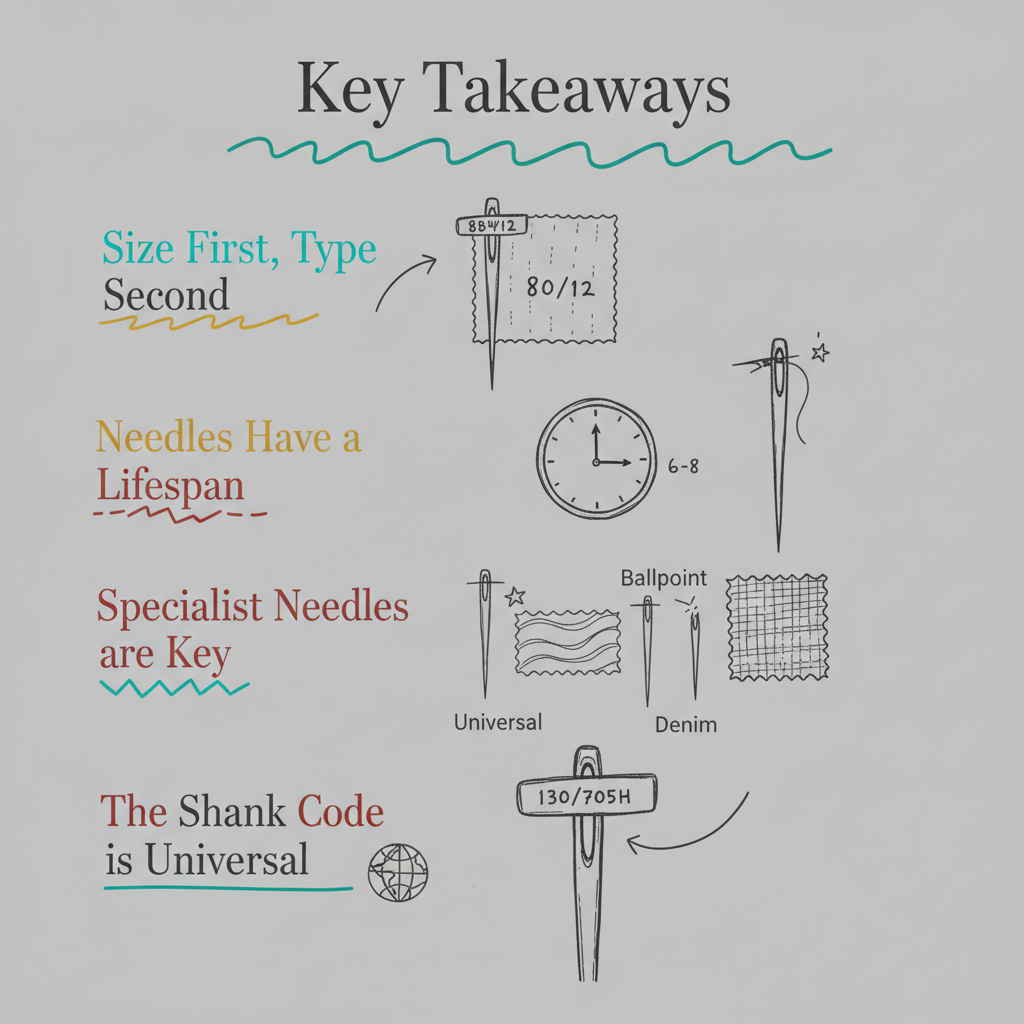
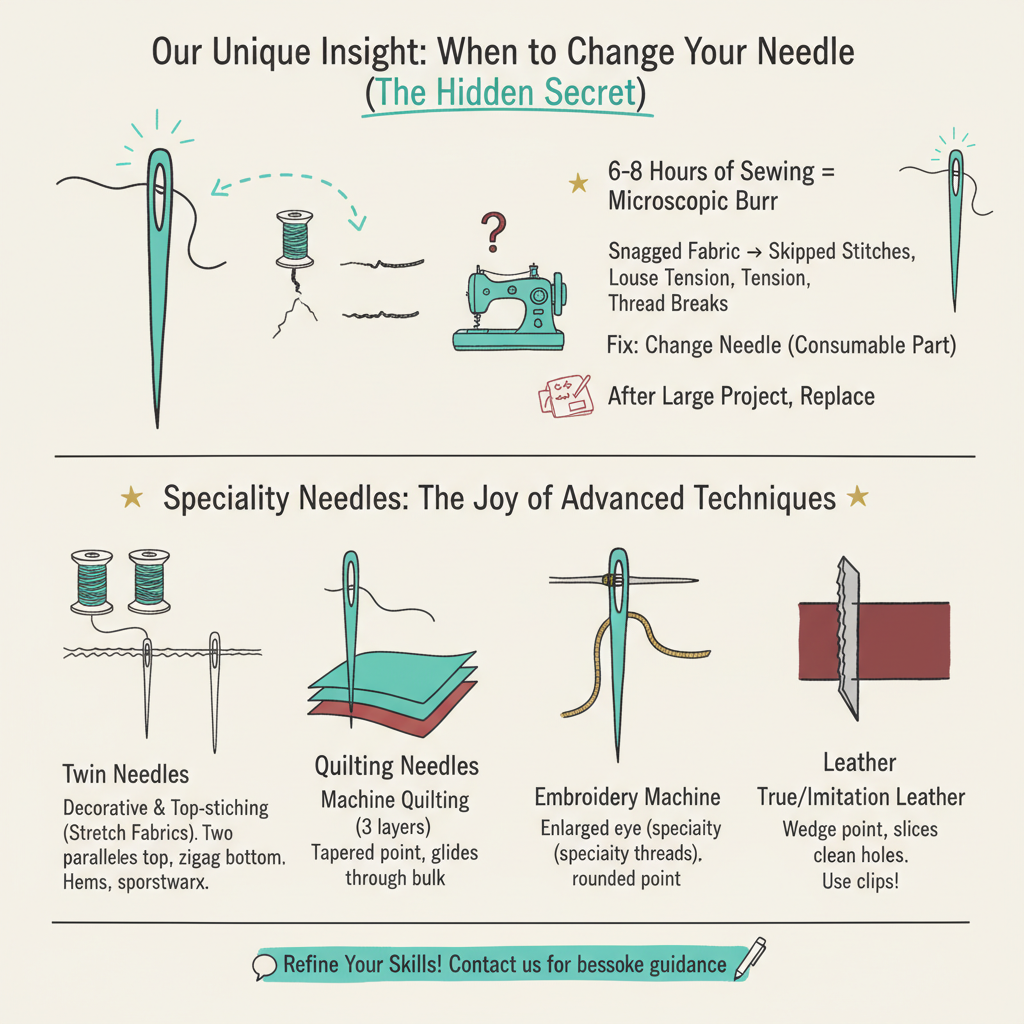
- Needles: Understanding that you need a new needle of the appropriate size for the weight of fabric you’re using is crucial.
- Stitch Types: Familiarise yourself with essential machine stitches like the straight stitch and zigzag stitch. A zigzag stitch, for instance, is excellent for finishing edges to prevent fraying.
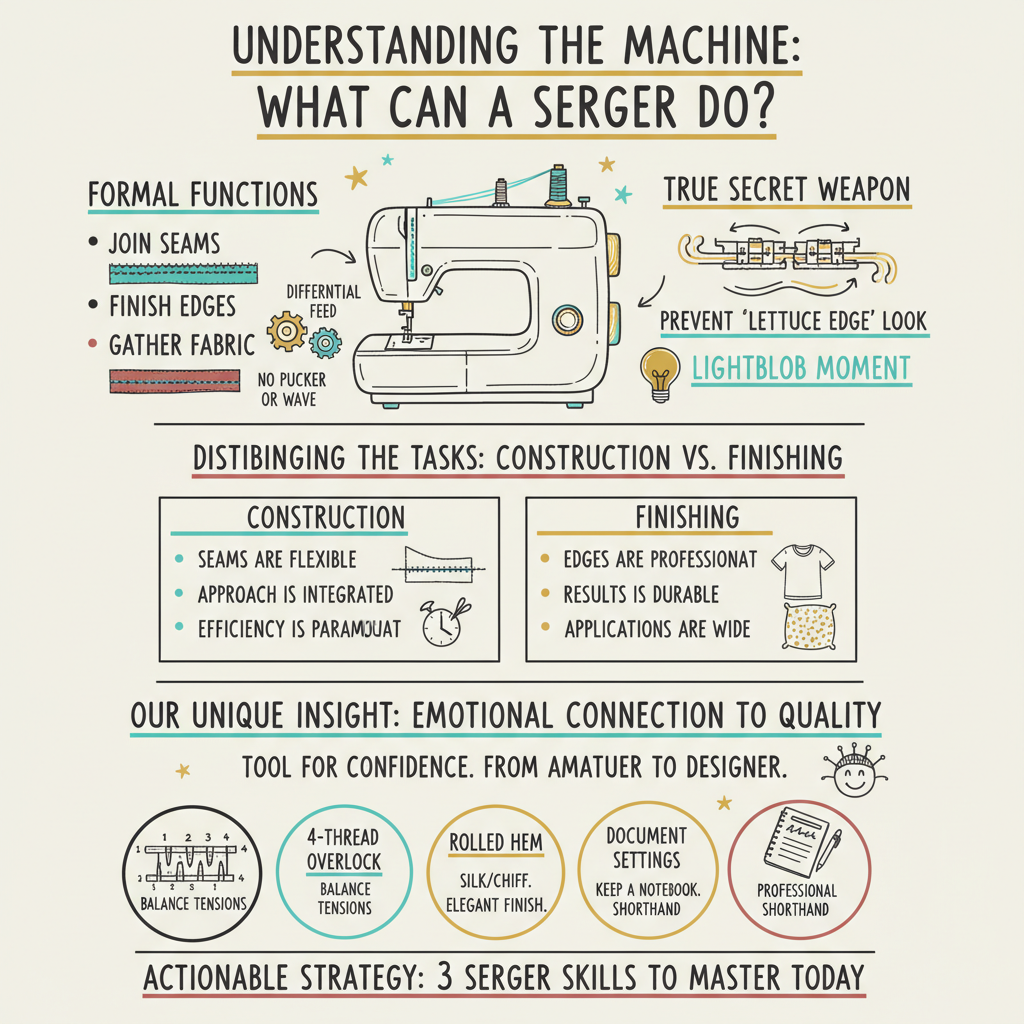
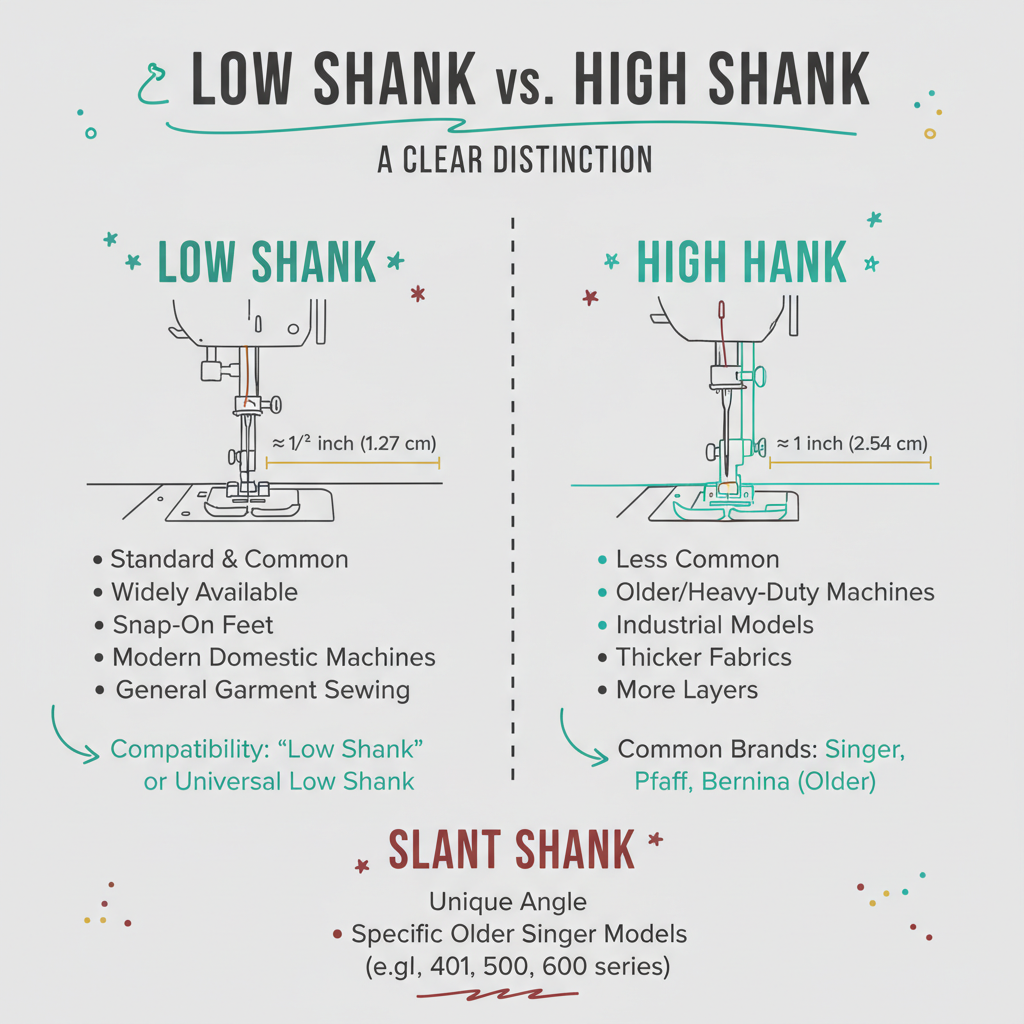
- Specialised Machines: As you advance, you might encounter other machines like sergers (also known as overlockers), which cut and enclose fabric edges very quickly, or heavy-duty machines for thicker fabrics like leather. Computerised machines can even handle embroidery.
Hand Tools for Precision and Detail
Even with a machine,
- Rotary Cutter and Cutting Mat: Often used for cutting fabric, especially for quilting, as they provide clean, precise cuts.
- Dress Form/Mannequin: Aids in fitting and draping garments, essential for tailoring and design.
Understanding and Working with Patterns
Your sewing pattern is your map, guiding you through the construction process.
Finding and Interpreting Patterns
For your first garment, always choose a simple, beginner-friendly pattern. Many indie pattern companies offer excellent options.
- Taking Measurements: Use a soft measuring tape to measure your chest, waist, and hips. Compare these to the pattern’s sizing. Don’t fret if you’re in between sizes; you can make simple adjustments by tracing the pattern onto paper and modifying it.
- Pattern Markings: Learn to identify and understand pattern markings like fold lines, grainline arrows, and the number of pieces to cut. The grainline arrow, in particular, indicates how to orient the pattern piece in relation to the.
- Seam Allowance: Pay close attention to the seam allowance, the specific distance a seam should be from the fabric edge, as stated in your pattern instructions. Getting this right is crucial for accurate sizing; too wide and the garment will be too small, too narrow and it will be too big. Most machines have lines on the stitch plate or seam guides to help you maintain a consistent seam allowance. Using a strip of washi tape on your machine can also act as a visual guide.
Adding Fullness and Form
Transforming two-dimensional fabric into a three-dimensional garment involves adding fullness. This is one of the most important concepts in fitting clothes to your body.
Equipment Needed: A high-quality sewing machine, sharp fabric scissors, measuring tools, pins, needles, diverse threads, iron, ironing board, seam ripper, tailor’s chalk, marking tools, thimbles, and potentially a serger/overlocker and dress form. A dedicated, organised workspace with a changing room and large mirror is crucial for the self-employed.
Darts: Tapered folds sewn into fabric to give shape and contour, commonly found at the bust, waist, and hips.
Gathers: Fabric is gathered to create fullness, often used at waistlines or sleeve caps.
Tucks and Easing: Other techniques to control and distribute fullness, allowing fabric to drape and move with the.
Education Requirements: Typically, formal education beyond high school isn’t required, but a keen eye for detail, patience, and a passion for the craft are essential. Many start as apprentices or gain experience through seamstress courses and workshops. Continuous practice and learning from experienced mentors are invaluable.
Salary Range: Annual salaries for seamstresses and tailors can range from $25,000 to $60,000, influenced by whether you are self-employed or work for a company, client volume, location, and expertise.
Fashion Designer: Creating Trends and Timeless Pieces
If your passion for sewing extends to conceptualising.
- Salary Range: Annual salaries can range from $40,000 to $80,000 in theatre, and $60,000 to $120,000 or more in film/television, with a median of $56,000.
- Equipment Needed: Sketchbooks, design software, knowledge of textiles, fabric swatches, historical references, patternmaking tools, sewing machines, cutting tables, dress forms, and strong communication skills.
Sewing Instructor: Sharing the Art and Skill of Sewing
If you have a passion for both sewing and teaching, becoming a sewing instructor is a fulfilling career.
- What They Do: Sewing instructors teach individuals of all skill levels, designing and delivering sewing classes or workshops. They provide step-by-step guidance, demonstrate techniques, and offer hands-on support, fostering creativity and confidence in their students. They might teach in schools, community centres, fabric stores, or offer private lessons.
- Education Requirements: A high school diploma is sufficient, but a passion for sewing and teaching is.
Upholsterer: Crafting and Restoring Furniture
Furniture enthusiasts might find joy in upholstery, breathing new life into worn pieces.
- What They Do: Upholsterers restore and enhance furniture by applying fabric, padding, and springs, and performing structural repairs. They advise clients on fabric selection, considering aesthetics and durability.
- Education Requirements: Formal education isn’t usually required, but specialised training or apprenticeships are highly beneficial, teaching upholstery techniques and furniture restoration.
- Salary Range: Annual salaries range from $28,000 to $60,000, with higher earnings for those with expertise in antique restoration or custom work. Self-employed upholsterers can set their own rates.
- Equipment Needed: Mallets, staple removers, shears, specialised sewing machines and heavy-duty needles, upholstery needles, pliers, webbing stretchers, and a range of materials like foam, batting, and springs.
Embroidery Specialist: Bringing Designs to Life
Embroidery, as a full-time career, a.
- Salary Range: As a relatively new field, data varies. Average influencer earnings are around $45,000 annually, but this depends on niche and follower count. Earnings can grow from modest affiliate marketing to substantial incomes through brand partnerships.
- Equipment Needed: Sewing machines, notions, attractive workspace, high-quality photography/video equipment (digital camera/smartphone, tripods, lighting, microphones), editing software, and potentially inventory management and shipping supplies for online sales.
Specialised Courses to Become a Seamstress or Tailor
Many institutions offer more formal pathways if you’re looking for a structured education to become a professional.
- Formalised Accreditations: Some dressmaking schools offer formalised accreditations or diplomas. For example, Milner’s Fashion House in Pretoria offers an “introduction to fashion design course” covering basics like research, mood boards, and textiles, followed by advanced courses like “pattern gr”.
- It’s a skill that builds confidence, provides a therapeutic outlet, and empowers you to bring your sartorial visions to life. As the proverb says, “Beautiful things come together one stitch at a time,” and with patience and consistent practice, you too can create stunning pieces.
Conclusion
Final Thoughts on Starting Your Sewing Journey: The Thread of Creativity. The world of sewing and dressmaking is a vibrant, creative canvas awaiting your unique touch.
As we’ve explored, there’s a vast array of seamstress courses available, catering to every level and interest, whether you’re searching for sewing classes for beginners or advanced pattern making classes.
From the precise art of sewing pattern drafting to the intricate beauty of couture sewing techniques and the communal joy of quilt-making classes or textile art courses, there’s truly something for everyone. Learning to sew offers profound personal rewards, from the sheer joy of creative expression and crafting unique garments to the practical satisfaction of customising your wardrobe and contributing to a more sustainable lifestyle.
It’s a skill that builds confidence, provides a therapeutic outlet, and empowers you to bring your sartorial visions to life. As the proverb says, “Beautiful things come together one stitch at a time,” and with patience and consistent practice, you too can create stunning pieces.
Encouragement to Enrol in a Seamstress Course
If you’ve felt that spark of curiosity, we wholeheartedly encourage you to take the first step. Research local and online seamstress courses, visit schools, and speak to instructors. Many tutors, like those on Superprof, offer a free introductory session, giving you a risk-free opportunity to find the right teacher and ensure a good fit. Enrolling in a seamstress course is an investment – not just in a rewarding and lifelong hobby, but potentially in a fulfilling career. Remember, high fashion and the joy of creating are accessible to all, empowering you to craft with confidence. So, grab your enthusiasm, find your perfect course, and begin weaving your own.
About the Author: Grace, Founder of London Sewing Courses
Grace is the heart and hands behind London Sewing Courses. A passionate and experienced sewing instructor, she founded the studio with a unique mission: to create a calm, friendly space for adults to learn and connect, while using the profits to fund free sewing classes for local children in need. Her personal expertise and commitment to community building are at the core of every class and every stitch.