Quilting is an art form that beautifully marries creativity with practicality, blending rich history with modern design. From humble beginnings born out of a need for warmth, it has evolved into a global community of artists and crafters who find joy in turning fabric into beautiful, lasting heirlooms. Whether you’re captivated by the intricate patterns of a traditional patchwork quilt or the vibrant colours of a modern design, the journey of quilting offers a profound sense of accomplishment and a wonderful therapeutic escape.
For those in the UK, a thriving community of quilters, shops, and classes is waiting to be discovered. If you’ve ever found yourself searching for “quilting near me,” this guide is your first step into a world of colour, texture, and connection. We’ll explore everything from finding the perfect supplies to joining a local guild, helping you get creative and connect with fellow enthusiasts.
What is Quilting?
A Deeper Dive into the Craft
Before we explore the local resources available, let’s clarify some fundamental concepts of quilting.
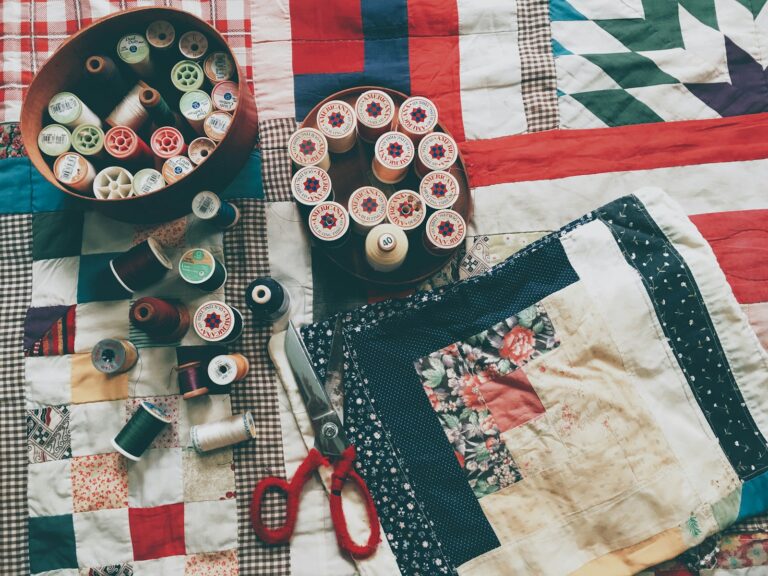
Tools and Materials: To get started, you’ll need some essential tools. The basics include quilting cotton fabric, wadding (the middle layer), thread, a rotary cutter, a cutting mat, a ruler, and a sewing machine. Finding these is made easy by searching for a quilt store near me or a quilting store near me.
Definition: A quilt is essentially a stitched sandwich of three layers: a decorative top, a middle layer of wadding (or batting), and a backing fabric. The process of stitching these layers together is what gives the quilt its name and its durability.
Patchwork vs. Quilting: It’s a common point of confusion for beginners. Patchwork refers specifically to the process of piecing together small pieces of fabric to create the decorative top layer. Quilting is the overarching term for the entire craft, but it also specifically refers to the act of stitching all three layers together, often in a decorative pattern. Therefore, a quilt can have a patchwork top, but it can also have a single piece of fabric for the top layer. Courses on patchwork classes near me are often the perfect starting point for learning how to piece a top.
Historical Context: Quilting has a rich history in the UK, with its roots in both necessity and artistry. Quilts were historically made to provide warmth, often from scraps of worn-out clothing. Over time, this necessity evolved into a beautiful art form, with intricate designs and patterns being passed down through generations.
Quilting offers a wealth of benefits that go far beyond the finished product.
Sustainability: Quilting is an inherently sustainable craft. It encourages using up fabric scraps and upcycling materials, giving them a second life and creating lasting heirlooms instead of contributing to textile waste.
Creative Expression: Quilting is a deeply personal art form that allows you to play with colour, pattern, and design. Every fabric choice and stitch tells a story, turning a pile of materials into a unique, artistic statement.
Mindfulness and Stress Relief: The repetitive motion of stitching is incredibly meditative. It provides a peaceful escape from the busyness of modern life, fostering mindfulness and helping to reduce stress and anxiety.
Practical Outputs: The end result of your hard work is often a beautiful, functional item. Whether it’s a cosy blanket, a decorative wall hanging, or a set of placemats, your creation can be used and cherished.
Sense of Accomplishment: Completing a quilt, especially a complex one, provides an immense sense of pride and accomplishment. It’s a tangible record of your skill, patience, and creativity.
Community and Connection: As you’ll discover, the quilting community is warm and welcoming. Sharing your hobby with others provides support, inspiration, and lasting friendships.
In the world of quilting, proximity is incredibly important. While online shopping and learning are wonderful, finding local resources offers unique benefits.
Supporting the Local Economy: By purchasing from a local quilting supplies near me store, you are directly contributing to the small businesses that are the heart of our communities.
Accessibility: Having a quilt shop near me or a quilt store near me means you can easily see and feel fabrics, test out notions, and get what you need without waiting for a delivery.
Hands-on Experience: There’s no substitute for being able to touch a fabric before you buy it, to feel the weight of different waddings, and to get in-person advice from a knowledgeable expert.
Building a Local Network: Visiting a local quilting shop near me or taking a class is the best way to meet fellow quilters and begin building your local creative network.
(Quilt Shops Near Me / Quilting Shops Near Me / Quilt Shop Near Me / Quilt Stores Near Me / Quilting Stores Near Me / Quilt Store Near Me / Quilting Store Near Me)
Your local fabric shops are your treasure chests, full of inspiration and the materials you need to bring your creations to life.
Types of Quilt Shops: Your Material Hub
Specialised Quilt Fabric Stores: These are the dream destinations for any quilter. A top quilt shop near me will have an extensive range of quilting cottons, often organised by colour or designer collection. They are also a great place to find pre-cut fabrics like fat quarters, jelly rolls, and charm packs. The staff are usually experienced quilters themselves, offering invaluable advice on colour theory and fabric choices. Examples of stock you might find include designer batiks, reproduction prints, and an array of solids. Many also offer a longarm quilting service. A search for quilting shops near me will bring up these brilliant specialised stores.
General Fabric Stores: While not solely focused on quilting, many larger fabric stores near me will have a dedicated quilting section with a good selection of cottons and basic notions. You might also find a fabric discount stores near me that has great value options for backing fabric or practice projects.
Haberdasheries with Quilting Sections: Don’t forget to check out smaller, local haberdasheries. They may not have a huge selection of quilting fabric but are often a great source for essential notions like specific threads, needles, and cutting tools. A search for quilting stores near me should include these smaller shops, as they are often a hub of local information.
Longarm Quilting Services (Longarm Quilter Near Me)
Explanation: A longarm quilting machine is a specialised machine used to stitch the three layers of a quilt together. It’s a brilliant option for those who enjoy the creative process of piecing a quilt top but don’t want to spend the time doing the quilting themselves or who have a quilt that is too large for a domestic machine.
Benefits: It provides a professional, even finish, often with intricate quilting patterns. A longarm quilter near me can help you turn your finished top into a beautiful finished quilt.
How to Find: Many dedicated longarm businesses advertise their services online. A search for a “longarm quilter near me” or checking at your local quilt shop near me should point you in the right direction.
How to Search for Local Quilt Shops
Social Media: Use hashtags on Instagram like #[yourtown]quilts or #[yourtown]sews to discover local businesses and communities.
Online Directories: Use specific search terms like “quilting near me” or “quilt stores near me” to find local shops.
Community Recommendations: Ask for recommendations in local Facebook groups or craft forums.
Specialised Websites: The Quilters’ Guild of the British Isles and other craft directories often have lists of member shops.
(Sewing Classes Near Me / Quilting Classes Near Me / Quilt Classes Near Me / Quilting Class Near Me / Quilt Making Classes Near Me / Hand Quilting Classes Near Me / Patchwork Classes Near Me)
Learning from an experienced teacher is one of the best ways to get started.
Overview of Available Classes: Learning the Craft
Beginner Classes: These are the perfect starting point for anyone new to quilting. A quilting class near me for beginners will cover the essentials: rotary cutting safety, accurate piecing, and how to sandwich and baste a quilt. They are often project-based, giving you a finished item to take home.
Intermediate Classes: Once you’ve mastered the basics, you can move on to more complex techniques. A class might focus on curved piecing, appliqué, or introduce you to free motion quilting on a domestic machine.
Advanced Classes: These are for the more experienced quilter. A quilting class near me for advanced learners might cover techniques like paper piecing, foundation piecing, or complex colour theory.
Hand Quilting Classes Near Me: For those who prefer the traditional, meditative process of hand quilting, there are dedicated classes available to teach you the perfect stitch.
Patchwork Classes Near Me: If you’re a complete novice, a class focused on patchwork is often a brilliant starting point. A search for quilt making classes near me will bring up a wide variety of these options.
Benefits of Taking Sewing Classes
Structured Learning: A good teacher will guide you through a logical progression of skills.
Correct Technique: Learning from an expert from the start helps you avoid developing bad habits.
Access to Equipment: Many classes will have specialist machines, rulers, and templates for you to use.
Community Building: It’s a brilliant way to meet fellow beginners and make new friends.
How to Choose the Right Class
Skill Level: Make sure the class is appropriate for your skill level. Don’t be afraid to ask if you’re unsure.
Instructor Experience: Research the teacher’s background and reviews.
Course Content: Read the class description carefully to see what you will learn and what the final project will be.
Engaging with the Quilting Community
(Quilting Community Near Me / Local Quilt Guilds / Quilting Circles Near Me / Quilting Bees Near Me)
The quilting community is one of the most generous and welcoming you’ll find.
Finding Local Quilt Guilds (Quilt Guilds Near Me)
The Quilters’ Guild of the British Isles: This national organisation is a fantastic resource for all things quilting. They have local branches across the UK, and their website (quiltersguild.org.uk/find-a-group) is the best place to search for a quilt guild near me.
Guild Activities: Guilds often hold monthly meetings with guest speakers, “show and tell” sessions where members share their finished projects, and workshops. It’s a brilliant way to access a vast amount of knowledge and resources.
Joining Quilting Circles and Bees (Quilting Circles Near Me / Quilting Bees Near Me)
Informal Gatherings: These are smaller, less formal groups that often meet in homes or community venues. A search for a quilting community near me may well lead you to one of these groups.
“Sew-in” Sessions: Members bring their projects to work on, sharing ideas, fabrics, and conversations. A quilting bee near me is a brilliant way to get your questions answered and get inspired by others.
Participating in Local Quilt Shows (Quilt Shows Near Me / Quilting Events Near Me)
Exhibitions and Competitions: Quilt shows near me are a chance to see beautiful quilts up close, enter your own work into a competition, and learn from others.
Vendor Stalls: These events are a fantastic opportunity to buy specialist supplies and fabric from a huge range of vendors, all in one place.
Demonstrations and Talks: Many shows feature demonstrations from experts, allowing you to learn new techniques in a different environment.
Upcoming Events (Quilting Events Near Me / Quilting Workshops Near Me / Quilting Retreats Near Me)
Local Quilt Shop Events: Keep an eye on your local quilt shop near me for upcoming sales, trunk shows, or special events. A search for quilting events near me should include a look at the events pages of your local shops.
Quilting Retreats Near Me: For an immersive experience, consider a quilting retreat. These multi-day events offer focused sewing time, skill-building workshops, and a brilliant social experience, often in picturesque locations.
Conclusion
Summary of Local Resources: Your Quilting Journey Begins Here
The world of quilting is a vibrant and welcoming one, and a search for “quilting near me” opens the door to a wealth of opportunities. From finding the perfect fabric at a local quilt store near me to taking a beginner-friendly quilting class near me or joining a local guild, your quilting journey can be supported by a wonderful community. This guide has hopefully shown you that a local quilting community is a rich tapestry of specialised shops, diverse learning opportunities, and supportive connections.
Encouragement to Get Involved: Take the First Stitch
We encourage you to take that first stitch. Visit a local quilt shop near me, ask about classes, or attend a guild meeting. The quilting community is eager to share its passion and help you on your creative journey. The only thing standing between you and a beautiful handmade quilt is a bit of courage and a whole lot of creative fun.
Final Thoughts on Quilting Near Me
The joy of quilting is in the process, the community, and the finished product. Finding your local quilting community is the key to unlocking this rich and rewarding craft. Happy stitching!
About the Author: Grace, Founder of London Sewing Courses
Grace is the heart and hands behind London Sewing Courses. A passionate and experienced sewing instructor, she founded the studio with a unique mission: to create a calm, friendly space for adults to learn and connect, while using the profits to fund free sewing classes for local children in need. Her personal expertise and commitment to community building are at the core of every class and every stitch.
Introduction to Embroidery in London: A Stitch in Time
London has long been revered as a global hub of creativity, where tradition and innovation converge. This is particularly true in the world of textiles and fashion. From the historic elegance of Savile Row to the cutting-edge designs found in Shoreditch, the capital city is a melting pot of sartorial expression. Within this vibrant scene, embroidery London UK has emerged as a powerful force, captivating artists, designers, and hobbyists alike.
This guide will take you through the five most influential trends shaping the embroidery scene in London, UK. We’ll explore how modern technology is revolutionising the craft, how traditional techniques are finding new life, and where you can find the very best in custom services and community initiatives. Whether you’re a seasoned stitcher or a curious beginner, London offers a rich and dynamic landscape for all things embroidery.
Brief History of Embroidery in the UK
From Ancient Roots to Royal Garments: The Legacy of British Stitchery
The story of embroidery London UK is a tale woven through centuries of British history, from ancient roots to royal garments.
Early Beginnings: The practice of decorating fabric with needle and thread can be traced back to Anglo-Saxon times, with archaeological finds revealing intricate stitched details on clothing from as early as the 7th century. Monastic communities were often the epicentres of this early craft, creating beautiful vestments and hangings for religious purposes.
Medieval Splendour: The pinnacle of English embroidery came in the Middle Ages with Opus Anglicanum, or “English work.” This exquisite form of needlework, often using fine silk and gold threads on religious garments, was so highly prized across Europe that it became a major export. We can also see the power of embroidery as a narrative tool in the Bayeux Tapestry, a monumental piece of stitched history.
Tudor and Stuart Eras: During these periods, embroidery became a significant status symbol. Elaborate designs adorned the clothing of nobility and the furnishings of grand homes. It was during this time that samplers became a popular way for young women to demonstrate their proficiency in a range of hand embroidery stitches and designs. Figures like Mary Queen of Scots and Queen Elizabeth I were known to be avid embroiderers, underscoring its place in royal life.
Industrial Revolution Impact: With the advent of machine looms and factory production in the 18th and 19th centuries, the demand for hand embroidery declined. Mass-produced textiles became more affordable and widely available, leading to a temporary downturn in traditional craftsmanship.
Victorian Revival and Arts & Crafts Movement: A renewed appreciation for handmade items and traditional skills led to a revival in the Victorian era. Institutions like the Royal School of Needlework (RSN), founded in London in 1872, were established with a dual mission: to revive the art of hand embroidery and to provide dignified employment for women. This movement laid the groundwork for the thriving embroidery scene we see in London today.
Beyond Decoration: Weaving Identity and Innovation
Embroidery in London has always been more than just decoration; it’s a powerful medium for reflecting identity and driving innovation.
Historical Role: Throughout London’s history, embroidery has reflected social status, religious devotion, and national identity. The rich tapestries in royal palaces and the beautifully adorned garments of the wealthy all tell a story about the city’s social fabric.
Royal Connections: The enduring relationship between embroidery and the British Monarchy is a testament to its significance. The Royal School of Needlework has been involved in countless royal projects, from coronation robes to the intricate lace panels on the Duchess of Cambridge’s wedding dress, showcasing London’s legacy of excellence.
Contribution to Fashion: As a global fashion capital, London’s sartorial landscape has been shaped by both historical and contemporary embroidery. The city’s designers, both established and emerging, frequently incorporate intricate needlework into their collections, from haute couture to ready-to-wear.
Community and Heritage: London’s museums, most notably the Victoria and Albert (V&A) Museum, hold world-class collections of textiles and embroidery. Alongside guilds and schools, these institutions play a crucial role in preserving and promoting the city’s rich embroidery heritage.
(Custom Embroidery London UK / Embroidery Service London UK)
Popularity of Personalisation: Making Your Mark in Thread
In an era of mass production, the desire for unique, individualised items has led to a boom in custom embroidery London UK. This trend is all about making your mark, whether for personal expression or professional branding.
Driving Factors: People are increasingly seeking products that tell a story, that are a one-off, and that feel special. Custom embroidery allows for exactly this, turning a simple garment into a cherished piece.
Applications: The scope of customisation is vast. It’s used for personalising clothing like denim jackets, t-shirts, and caps, adding a bespoke touch to accessories like bags and hats, and creating unique home décor like cushions and linens. It’s also a popular choice for thoughtful gifts.
Corporate Branding: Businesses across London are using an embroidery service London UK for professional, long-lasting branding. It’s a great way to create a polished look for uniforms, workwear, and promotional merchandise, providing a high-quality alternative to printing.
Event Memorabilia: For special occasions like weddings, anniversaries, and corporate events, custom embroidery is used to create unique and memorable keepsakes, from embroidered napkins to bespoke patches.
Notable Custom Embroidery Shops in London (Embroidery Shop London UK / Embroidery Shops London UK)
London has a fantastic range of studios and businesses that specialise in custom embroidery.
Hawthorne & Heaney / London Hand Embroidery: This renowned studio is celebrated for its bespoke, high-quality work. They excel at both intricate hand embroidery and digital projects, catering to high-end fashion, military uniforms, and artistic commissions. They are a great example of a top-tier embroidery shop London UK.
The London Embroidery Studio: Known for its state-of-the-art machinery and digital expertise, this studio provides bespoke work for fashion, stage, screen, and interiors. Their investment in technology allows them to handle complex and large-scale projects with precision.
Norules Embroidery: This company offers a reliable embroidery service London UK for workwear, polo shirts, and general garment customisation. They are a popular choice for small businesses and individuals looking for a professional finish on their apparel.
Initially London: As the name suggests, this business specialises in monogramming and personalised gifts, offering a beautiful range of items that can be customised with initials or names.
Stitch to Stitch: This is another excellent example of an embroidery shop London UK that offers a range of customisation services, from personalised workwear and school uniforms to fashion embroidery.
Modern machine embroidery London has revolutionised the craft, offering a level of precision, speed, and efficiency that was once unimaginable.
Modern Machine Capabilities: Today’s machines, particularly the multi-head industrial models, can handle high stitch counts and larger projects with ease. Their speed and consistency make them perfect for commercial orders that require a quick turnaround without sacrificing quality.
Digitisation Software: The heart of machine embroidery London lies in its advanced digitisation software. These powerful programs allow designers to translate intricate digital designs into stitch files, enabling the creation of complex patterns and fine details that would be incredibly time-consuming to produce by hand.
Automation and Speed: For businesses, modern embroidery machines are a game-changer. They can produce high volumes of consistent quality, which is ideal for corporate branding, sportswear, and fashion production.
Specialised Machine Techniques: Technology has expanded the creative possibilities of machine embroidery. We can now see 3D puff embroidery, where foam is used to create raised designs, as well as machine appliqué, cording, and even the automated attachment of sequins, beads, and gems.
Sustainability in Machine Embroidery: Many studios are also looking at ways to be more sustainable in their processes, using eco-friendly threads and minimising waste in their designs.
Leading Machine Embroidery Studios in London
London is home to some of the UK’s leading machine embroidery studios, equipped with cutting-edge technology.
The London Embroidery Studio: As mentioned previously, their investment in digital and machine embroidery technology allows them to undertake complex fashion, textile, and interior projects, showcasing a wide range of specialised techniques.
Embroidery by Design (Perivale/West London): This studio is known for its capability for extra-large embroidery and diverse applications, catering to large-scale projects and corporate clients.
The Appeal of Craftsmanship: Slow Stitching in a Fast City
In a world dominated by digital screens and fast-paced living, the quiet, meditative craft of hand embroidery is experiencing a significant resurgence in popularity. This trend is a deliberate move towards slow, mindful making.
Mindfulness and Well-being: The repetitive, rhythmic action of hand stitching is a powerful antidote to digital overload. It’s a therapeutic activity that promotes focus and reduces stress, offering a peaceful escape from the busyness of city life.
Value of the Handmade: There is a growing appreciation for unique, one-of-a-kind items that are made with care and time. A piece of hand embroidery holds the story of its creation, giving it a value that a mass-produced item can never have.
Artistic Expression: Hand embroidery is no longer just seen as a craft; it’s a recognised medium for fine art and personal storytelling. Artists are using needle and thread to create stunning textile art, political statements, and deeply personal narratives.
Sustainability and Upcycling: The rise of visible mending, where repairs are celebrated rather than hidden, has been a key factor in this trend. Hand embroidery is a beautiful way to mend and customise existing garments, extending their lifespan and reducing fashion waste.
Historical Connection: For many, learning hand embroidery is a way to connect with traditional skills and heritage, a link to the past that feels particularly special in a city steeped in history.
Hand Embroidery Classes in London UK (Embroidery Classes London UK / Hand Embroidery Classes London)
London offers a fantastic range of opportunities to learn hand embroidery from the experts.
Royal School of Needlework: As a global centre of excellence, the RSN offers an incredible array of courses, from taster workshops for beginners to long-term certificate and degree programmes. They are a cornerstone of embroidery classes London UK, teaching a huge variety of traditional and contemporary techniques at Hampton Court Palace and other venues.
Hand & Lock School: This renowned company, with a history dating back to 1767, offers brilliant in-person hand embroidery classes London. Their courses cover a wide range of techniques, including goldwork, tambour beading, and silk shading, catering to all skill levels.
London Embroidery School: This school provides clear, friendly, and informative classes that are perfect for beginners and improvers. They offer a great range of projects and also have virtual options for those who prefer to learn from home.
Independent Studios and Teachers: Across London, a thriving community of independent artisans and teachers offers small, intimate workshops and tailored tuition, providing a personal and focused learning experience.
Trend #4: Incorporation of Modern Design
Fusion of Traditional and Contemporary Styles: Pushing Creative Boundaries
The fourth major trend is the fusion of traditional embroidery techniques with modern design aesthetics, resulting in work that is both beautiful and innovative.
Abstract and Geometric Designs: A new wave of embroiderers is moving beyond classic floral or narrative motifs, creating bold, abstract, and geometric patterns that feel fresh and contemporary.
Mixed Media Embroidery: Artists are pushing creative boundaries by combining hand embroidery with other art forms like painting, collage, and digital prints. This creates a rich, multi-layered texture and visual interest.
Subversive and Humorous Embroidery: A very popular trend, particularly in online communities, is the use of embroidery to convey witty or provocative messages. This playful use of a traditional craft on unexpected items like old handkerchiefs or denim jackets subverts expectations and adds a modern twist.
Nature-Inspired Modernism: While floral motifs have always been popular, contemporary embroiderers are giving them a fresh spin. They use modern colours, abstract shapes, and unique stitches to create artful, nature-inspired pieces.
Embroidered Apparel and Accessories: Modern designers in London are integrating embroidery into ready-to-wear fashion and accessories in new and exciting ways, from beautifully embroidered denim to artful patches.
Textural Experimentation: The use of different threads, beads, and techniques to create tactile, 3D effects is a key part of this trend. Techniques like thread painting and modern stumpwork are being used to create incredibly realistic and textured pieces.
Examples from Local Designers and Institutions
This trend is particularly visible in London’s creative ecosystem. You can find examples of this work in small galleries, at degree shows from art schools like Central Saint Martins and the Royal College of Art, and in the portfolios of London-based textile artists. The V&A Museum also frequently holds exhibitions that showcase both historical and modern embroidery, highlighting this fascinating evolution.
Trend #5: Community and Learning Initiatives
Embroidery Guild London UK Events: Fostering Connection and Skill
The final trend is the strength of the embroidery community in London, which is kept vibrant through various learning and social initiatives.
The Embroiderers’ Guild: This national organisation plays a vital role in educating and promoting stitch and textile art. They have local branches all across the UK, including many in London, which act as hubs for local stitchers. A search for embroidery guild london uk will show a huge range of active, welcoming branches.
Local Branch Activities: London branches of the Embroiderers’ Guild hold regular monthly meetings, workshops, and stitching groups. These are wonderful opportunities to meet fellow embroiderers, share your work, and learn new skills in a supportive environment.
Benefits of Membership: Being a member of the guild gives you access to a wealth of resources, including a library of books and patterns, invitations to exhibitions, and a supportive network of fellow stitchers.
Importance of Classes and Workshops: The Learning Journey Continues
The availability of high-quality classes is a huge part of the embroidery London UK scene.
Accessibility: From the RSN’s beginner workshops to smaller, independent classes, there is something for every skill level. Many classes cater to all ages and abilities, making the craft accessible to everyone.
Skill Development: Classes provide a structured learning pathway for mastering various stitches and techniques, which is often difficult to achieve through self-teaching alone.
Inspiration and Creativity: Learning in a group environment exposes you to new ideas, different materials, and the insights of a skilled instructor, sparking your own creativity.
Social Aspect: Perhaps most importantly, classes and workshops offer a wonderful opportunity to meet like-minded individuals, share passions, and build a creative community. Many great friendships have started over a shared love of stitch.
The availability of embroidery supplies London UK is another benefit of this thriving community. Many shops and studios that offer classes also sell materials, ensuring you have access to everything you need to continue your stitching journey.
Conclusion
Future of Embroidery Trends in London: A Stitch in Time
The world of embroidery London UK is a dynamic and exciting one, perfectly balancing respect for its rich history with a passion for innovation. The trends we’ve explored—from the rise of bespoke services and the precision of modern machinery to the mindful appeal of hand embroidery and the fusion of traditional and contemporary design—show that this ancient craft is more relevant than ever.
London will undoubtedly continue to be a leading city for embroidery, with its prestigious institutions, innovative designers, and vibrant community. The future of embroidery in the capital is a story that will continue to be told, one stitch at a time.
Encouragement to Explore Local Embroidery Resources
Whether you’re looking for an embroidery service London UK to create a personalised gift, want to take embroidery classes London UK to learn a new skill, or simply want to find a community of fellow stitchers, the city has a wealth of resources waiting for you. We encourage you to visit the studios, explore the shops, and engage with the guilds. Discover the perfect trend for you and begin your own creative journey in London’s inspiring world of embroidery.
About the Author: Grace, Founder of London Sewing Courses
Grace is the heart and hands behind London Sewing Courses. A passionate and experienced sewing instructor, she founded the studio with a unique mission: to create a calm, friendly space for adults to learn and connect, while using the profits to fund free sewing classes for local children in need. Her personal expertise and commitment to community building are at the core of every class and every stitch.
ntroduction: Beginning Your Sewing Journey with the Right Machine
The decision to learn to sew is an exciting one. It opens up a world of creativity, from mending your own clothes to crafting unique garments and home décor. But before you can take your first stitch, there’s a crucial first step: choosing the right machine. For a beginner, this can feel overwhelming. The sheer number of models, brands, and features can be a lot to navigate. That’s why choosing the right novice sewing machine or beginner sewing machine is so important. A well-chosen machine will make your learning process smooth, enjoyable, and free from unnecessary frustration.
Many people think a “simple” machine means a less capable one. This is a myth. The perfect novice sewing machine isn’t about having a thousand decorative stitches; it’s about having the right features that empower you to learn and grow. In this guide, we’ll debunk the common misconceptions and outline the seven key features you should look for to find the best novice sewing machine for you. By the end, you’ll feel confident and ready to take your first step into the wonderful world of sewing.
Understanding Novice Sewing Machines
Before we get into the features, let’s clarify what a novice sewing machine actually is and what makes it ideal for a new sewer.
What Defines a Beginner Sewing Machine?
A beginner sewing machine isn’t necessarily the cheapest model on the shelf. Instead, it’s defined by its user-friendliness. The ideal machine for a sewing machine for novices focuses on core functionality and reliability. It has a straightforward design, clear instructions, and is built to withstand the bumps and learning curves of a new sewer. An overly complicated machine with dozens of buttons and dials can be overwhelming, causing you to lose confidence before you’ve even sewn your first seam. A novice sewing machine should feel like a patient tutor, not a confusing puzzle.
Importance of User-Friendly Design (Easy-to-Use Sewing Machines)
Simplicity is the most important feature of an easy-to-use sewing machine.
Manual vs. Computerised: For many beginners, a mechanical (manual) machine is a great choice because of its robust simplicity and ease of troubleshooting. However, some basic computerised models offer wonderful features like automatic needle threading and a start/stop button that can significantly reduce frustration.
Simplicity in Operation: Look for a machine with fewer dials and buttons. Clear, well-labelled controls are a huge plus.
Intuitive Threading: An easy-to-follow thread path is essential. Many good beginner machines have numbered diagrams printed directly on the body, guiding you step-by-step.
Clear Bobbin Access: Top drop-in bobbins are generally considered easier for beginners to use than front-loading ones. They allow you to see exactly how much thread you have left and are less prone to jamming if installed incorrectly.
7 Essential Features for Novice Sewing Machines (Sewing Machine Features for Beginners)
When you’re shopping for your first machine, these are the seven non-negotiable features that will make your sewing journey easier and more enjoyable.
1. Straightforward Stitch Selection
The most important stitches you’ll ever use are the straight stitch and the zigzag stitch.
Basic Stitches: A good novice sewing machine should have a reliable, consistent straight stitch for piecing seams and a zigzag stitch for finishing raw edges to prevent fraying.
Limited but Useful Options: Don’t be swayed by a machine that boasts hundreds of decorative stitches. For a beginner, these are largely unnecessary and often add to the cost. A few basic utility stitches are all you need to get started.
Clear Stitch Dial/Buttons: The stitch selection mechanism should be simple to use, with a clear dial or easily identifiable buttons.
2. Adjustable Stitch Length and Width
Even as a beginner, you’ll need to adjust your stitch length and width.
Why these adjustments are crucial: A longer stitch is great for gathering fabric, while a shorter stitch is ideal for reinforcing seams at the beginning and end. You’ll need to adjust the zigzag width for different seam finishes.
How to adjust: Look for clear dials or buttons that allow you to easily change these settings.
3. Easy Threading System
Threading your machine can be one of the most frustrating parts of learning to sew. The right features can make a huge difference.
Clearly Marked Thread Path: As mentioned before, a numbered diagram on the machine is a fantastic feature.
Top-Loading Bobbin System: This system is not only easy to access but also makes it simple to see if your bobbin is running low.
Automatic Needle Threader: This feature is a game-changer for beginners and can save you from a lot of eye strain and frustration. While not on every budget model, it’s a definite plus to look for.
While often a feature on more expensive models, it’s worth noting. The presser foot holds the fabric down while you sew.
Why this is important: This feature allows you to adjust the pressure for different fabric thicknesses. Lower pressure is great for delicate fabrics, while higher pressure is needed for thicker materials like denim. If a machine has it, it’s a sign of a high-quality beginner sewing machine.
5. Free Arm Capability
This is an essential feature for a versatile machine.
Essential for a variety of projects: A free arm is a narrow extension of the sewing bed. You access it by removing the accessory tray. It’s crucial for sewing small, tubular items like trouser hems, cuffs, and children’s clothing.
6. LED Lighting
Good lighting is more important than you might think.
Visibility is key: Good illumination of the needle area helps with visibility, especially when you’re working on detailed seams or with darker fabrics. Many modern machines come with bright LED lights, which are a vast improvement over older, dimmer bulbs.
7. Reverse Lever/Button
This is a fundamental feature for securing your stitches.
Crucial for durability: A reverse lever or button allows you to sew backwards a few stitches at the beginning and end of each seam. This locks the stitches in place and prevents your work from unravelling.
Bonus Feature: Speed Control Slider (Sewing Machine Tips for Beginners)
This is a brilliant feature for building confidence.
Start/Stop Button: On some computerised models, a start/stop button is also available, which can be very helpful for beginners who aren’t yet comfortable with a foot pedal.
Allows for control: A speed control slider allows you to set a maximum speed for your machine, regardless of how hard you press the foot pedal. This enables you to sew at a slower, more controlled pace, reducing mistakes and helping you master a consistent seam.
Budget-Friendly Sewing Machines for Beginners (Budget Sewing Machines for Beginners)
You don’t need to spend a fortune to get a great first machine. There are many reliable, affordable sewing machine options on the market.
Finding Value in a Novice Machine
Reasonable price ranges: For a solid beginner sewing machine, a price range of £150-£300 is a good starting point. This range often includes machines with a metal internal frame and the key features we’ve outlined.
Affordable doesn’t mean low quality: An affordable sewing machine can still be a reliable one if you focus on build quality and essential features.
Best Budget Sewing Machines for Beginners
When it comes to finding a novice sewing machine, there are a few brands and models that consistently get good feedback in the UK market.
General Recommendations: Look at trusted brands like Brother, Singer, and Janome. Hobbycraft’s own brand also offers popular entry-level models.
Where to Buy: You can find these machines at specialist sewing machine shops like The Sewing Studio and Direct Sewing Machines, as well as department stores like John Lewis and Argos. Online retailers like Amazon UK and Singer Outlet also have a huge selection.
Value for Money Recommendations
Look for a Good Warranty: Check for a good warranty and see if spare parts and servicing are readily available in the UK. This is crucial for maintaining your novice sewing machine over time.
Prioritise Durability: A machine with a strong metal frame is a better long-term investment than an all-plastic one. It will be a more durable sewing machine in the long run.
User Reviews and Feedback (Sewing Machine Reviews for Beginners)
Before you make your final decision, take some time to read sewing machine reviews for beginners from other users. Their real-world experience can be invaluable.
The Importance of Real-World Experience
What to look for: Look for comments on the machine’s ease of threading, stitch quality, noise level, and customer support. You’ll find honest insights that a product description might not provide.
Community insights: Forums like Reddit can be a great place to ask “what is the best sewing machine for a novice?”. You’ll often find a community of experienced sewers who are happy to share their recommendations.
What Users Say About Their Novice Machines
Addressing frustrations: Common frustrations, such as thread jamming or tension issues, can often be solved with the right machine features or simple sewing machine tips for beginners. For example, a top-loading bobbin system can help prevent a lot of common bobbin-related frustrations.
Common positive feedback: Beginners often praise machines that are “easy to learn,” “great for simple repairs,” and “reliable for my first few projects.”
Setup and Initial Use Tips (Sewing Machine Tips for Beginners)
Once you’ve chosen your novice sewing machine, it’s time to get it set up.
Unboxing and First Steps
Read the manual: Don’t skip this step! The manual is your best friend. It will show you exactly how to thread your specific machine and what each dial does.
Practice, practice, practice: Start by practising on scrap fabric. Sew straight lines, turn corners, and get a feel for the foot pedal and speed.
Basic Maintenance for Longevity
Simple cleaning: Regularly remove lint and thread build-up from the bobbin area and under the needle plate.
Needle changes: Change your needle regularly, especially after a big project. A fresh, sharp needle makes a huge difference to your stitch quality.
Proper storage: Keep your beginner sewing machine covered when not in use to protect it from dust.
Final Thoughts on Choosing the Best Novice Sewing Machine
Your first sewing machine is the foundation of your creative journey. Choosing the right one can make all the difference in whether sewing becomes a lifelong passion or a short-lived frustration.
Summary of Key Features
Remember to prioritise ease of use, essential stitches, a clear threading system, and a robust build. The best novice sewing machine for you will be the one that feels intuitive and encourages you to keep stitching.
Empowerment for New Sewers
Don’t be afraid to take your time and do your research. The right beginner sewing machine will make the learning process enjoyable and rewarding, giving you the confidence to tackle more and more ambitious projects. This foundational choice paves the way for a rich and creative sewing hobby. Happy sewing!
About the Author: Grace, Founder of London Sewing Courses
Grace is the heart and hands behind London Sewing Courses. A passionate and experienced sewing instructor, she founded the studio with a unique mission: to create a calm, friendly space for adults to learn and connect, while using the profits to fund free sewing classes for local children in need. Her personal expertise and commitment to community building are at the core of every class and every stitch.
Welcome, budding creators and curious crafters! Have you ever dreamt of mending your own clothes, crafting unique gifts, or even designing your very own garments? Perhaps you’ve acquired a sewing machine, still gleaming in its box, or dusted off a beloved hand-me-down, and found yourself asking, “how do I learn to use a sewing machine?” You’re not alone! Many aspiring sewists look at their machine and feel a mix of excitement and apprehension, thinking, “is learning to use a sewing machine hard?”. Let us reassure you right from the start: learning to use a sewing machine is a wonderfully rewarding and entirely achievable journey, especially with the right guidance.
Introduction to Sewing for Beginners
The enduring appeal and practical benefits of learning to sew. Sewing for beginners opens up a world of possibilities, transforming simple fabric into something truly personal and practical. It’s a skill that lasts a lifetime, allowing you to create beautiful items for your home, craft unique garments, or simply mend and alter existing pieces, giving them a new lease of life. Imagine the satisfaction of seeing your creative visions come to life, stitch by stitch! Beyond the joy of creation, sewing is incredibly practical, helping you save money on alterations and repairs, and even contributing to a more sustainable lifestyle by extending the life of your textiles.
Why a sewing machine is a fundamental tool for various crafting and repair tasks. While hand sewing has its place for delicate finishes or quick mends, the sewing machine is truly the workhorse of the modern sewist. It allows you to produce strong, consistent stitches at a much faster pace, making larger projects manageable and professional-looking. Whether you’re crafting a sturdy tote bag, assembling a flowing dress, or adding decorative flair to a cushion, your machine will be your most valuable companion. Its efficiency and versatility make it an indispensable tool for almost any fabric-based project you can imagine.
Reassure prospective learners that mastering a sewing machine is a straightforward process with the right guidance. It’s completely normal to feel a little daunted by the array of dials, levers, and mechanisms on a sewing machine. Many people ask, “is it easy to learn to use a sewing machine?” and the answer is a resounding yes! While there’s a learning curve, much like learning to drive a car, it quickly becomes intuitive with practice. You don’t need to read every single page of the manual before you start; many prefer to jump in and learn as they go, referring to the manual for specific instructions. Think of this guide as your patient, skilled tutor, here to walk you through each step of your creative journey, demystifying the process and building your confidence.
Overview of what this comprehensive guide will cover to help readers effectively learn to use a sewing machine. This comprehensive guide is designed to help you confidently learn to use a sewing machine, from the very first plug-in to completing your first project. We’ll delve into the sewing machine basics, including its essential parts and how they work together to create magic with thread. We’ll then provide precise, step-by-step instructions on how to operate a sewing machine, covering everything from winding a bobbin to mastering different stitch types. You’ll also discover fundamental sewing techniques for beginners, helpful troubleshooting tips for common issues you might encounter, and inspiring beginner sewing patterns to get you started. Finally, we’ll guide you on where to learn to use a sewing machine further, from online resources to local sewing workshops near me. So, take a deep breath, embrace your curiosity, and let’s unlock the wonderful world of sewing together!
Before you begin stitching, it’s incredibly helpful to familiarise yourself with the different parts of your sewing machine and understand their purpose. Think of it as getting to know your new creative companion!
Understanding Your Machine’s Anatomy
Every sewing machine, whether a classic mechanical model or a modern computerised one, shares core components that work in harmony to create stitches.
Main Components: Detailed explanation of the handwheel, bobbin winder, spool pin, thread guides, tension dial, stitch length/width selectors, pattern selector, reverse lever, presser foot lifter, needle clamp, presser foot, needle plate, feed dogs, and foot pedal.
Power Switch and Cord: This is your machine’s lifeline. It’s normally found on the right side or back of the machine. Some models power on immediately when plugged in, while others have a dedicated switch.
Spool Pin: Located on the top of your machine, this small pin holds your spool of top thread. It might be horizontal or vertical, depending on your machine’s design. Some machines also come with caps or holders to secure the spool.
Bobbin Winder: Typically to the right of the spool pin, this is where you load an empty bobbin to fill it with thread from your main spool. There’s often a stopper or lever that disengages the needle when winding the bobbin.
Thread Guides: These are a series of hooks, grooves, and channels that guide the top thread from the spool pin all the way down to the needle. Following the numbered path on your machine is crucial for correct threading.
Tension Dial: A small numbered wheel, usually near the thread take-up lever. This controls the amount of pressure applied to the top thread as it feeds through, ensuring balanced stitches. Incorrect tension can lead to looping or puckering stitches. We’ll discuss this in more detail later.
Stitch Adjustment Buttons/Dials: These controls allow you to select your desired stitch type (such as a straight stitch or zigzag), adjust the stitch length (how far apart each stitch is), and the stitch width (for zigzag or decorative stitches). Computerised machines often have screens, while mechanical ones use dials.
Pattern Selector: This allows you to choose from the various stitch patterns your machine offers, from basic straight stitches to more elaborate decorative ones.
Reverse Lever/Button: An essential feature that allows you to stitch backwards, typically used at the beginning and end of a seam to secure your stitches and prevent them from unravelling. You might need to hold it down or press it once to engage.
Handwheel: Located on the side of the machine, this large wheel allows you to manually raise and lower the needle. Always turn it towards you (counter-clockwise) to avoid tangles or timing issues.
Presser Foot Lifter/Lever: Usually a lever located behind or to the right of the needle assembly. It raises and lowers the presser foot, which holds your fabric in place while sewing. You must lower it before you start stitching.
Needle Clamp Screw: This metal screw securely holds the sewing machine needle in place. You’ll loosen it with a screwdriver or your fingers to change needles.
Presser Foot: This metal attachment sits just below the needle and looks somewhat like a small ski. It applies pressure to the fabric, keeping it flat against the needle plate and allowing the feed dogs to move it smoothly. Different feet are available for various tasks, like zippers or buttonholes.
Needle Plate (or Throat Plate): The flat metal plate directly beneath the needle. It often features measurement markings or guidelines to help you maintain a consistent seam allowance.
Feed Dogs: These are small, serrated metal “teeth” that emerge from slots in the needle plate, just under the presser foot. Their primary job is to grip the fabric and move it forward at a steady pace as you stitch.
Foot Pedal: This pedal sits on the floor and connects to your machine by a cord. It controls the speed of your stitching; pressing harder makes the needle move faster. It’s widely recommended to use the foot pedal for better control.
Bobbin Cover: A movable cover, usually near the needle plate, that provides access to the bobbin compartment.
Safety Features: Emphasise proper plugging/unplugging, keeping fingers clear of the needle. Safety is paramount when learning to use a sewing machine. Always ensure your machine is unplugged before you begin any setup, threading, or needle-changing tasks. This prevents accidental power-ons and potential injury from a sharp, moving needle. Keep your fingers well clear of the needle area while sewing. Your hands are for guiding the fabric, not pushing or pulling it directly under the needle. Develop the habit of keeping your foot off the pedal when your hands are near the needle area.
Types of Sewing Machines for the New Seamster
When embarking on your sewing journey, you’ll encounter various types of machines, each with its own advantages. Understanding these can help you decide which is the best sewing machine for me.
Mechanical Machines: Simple, durable, and often recommended for sewing for beginners due to their straightforward operation. Mechanical machines are often the traditional choice for sewing for beginners. They typically feature manual dials and levers for stitch selection, length, and width. Their simpler mechanics make them durable and often easier to troubleshoot basic issues. If you’re looking for a workhorse machine that focuses on fundamental stitches without too many bells and whistles, a mechanical model can be an excellent starting point. They are robust and reliable, often lasting for decades with proper sewing machine maintenance.
Computerised Machines: Offer more features, stitches, and often automated functions; discuss their benefits and potential for growth. Computerised machines, as the name suggests, incorporate electronic components and often have a digital display. These machines tend to offer a wider variety of stitches, including decorative and stretch options, and may have automated features like needle threaders or stitch memory. While they might seem more complex initially, their user-friendly interfaces and automated functions can greatly enhance your sewing experience and offer more room for growth as your skills develop. Many even feature speed control sliders to help you ease into stitching.
Overlockers (Sergers): Briefly mention their purpose (finishing seams) as a potential future upgrade. While primarily focusing on standard sewing machine basics for beginners, it’s worth noting that an overlocker (often called a serger in other regions) is a different type of machine entirely. Overlockers use multiple threads (typically 3-5) and a cutting blade to simultaneously sew, trim, and finish fabric edges, creating very neat and professional-looking seams, especially on knit fabrics. They are fantastic tools for garment sewing but are generally not recommended for true beginners as a first machine due to their complexity. Consider an overlocker as a future upgrade once you’ve mastered your basic sewing machine skills.
Considerations for Choosing Your First Machine (Best Sewing Machines for Beginners) Choosing your first sewing machine is an exciting step! The best sewing machine for beginners isn’t necessarily the most expensive or feature-rich one, but rather one that aligns with your initial goals and comfort level.
Prioritise Basic Stitches: For starters, you primarily need a machine that can perform a straight stitch and a zigzag stitch. A buttonhole feature is also highly beneficial. These foundational stitches will enable you to tackle a vast array of projects. Don’t be swayed by machines offering hundreds of decorative stitches if you’re just beginning; you’ll likely use only a handful.
Ease of Threading: A machine that is intuitive to thread, often with clear numbered guides or even an automatic needle threader, will save you a lot of frustration. This is a common pain point for new sewists, so a user-friendly threading system is a big plus.
Robust Build: While cheaper machines might be tempting, investing in a quality machine, perhaps one with more metal parts, can lead to a much more satisfying experience in the long run. Durable machines are less prone to issues like poor stitch tension or thread breakage, which can quickly discourage a beginner. Look for models known for their reliability rather than just a multitude of functions.
Suitable Price Points: Entry-level machines are perfectly adequate for learning to use a sewing machine. You don’t need to spend a fortune to get started. However, be wary of extremely cheap machines that might offer a frustrating experience. If possible, try out a machine before buying it.
Common Beginner-Friendly Brands: Brands like Brother and Singer often offer excellent beginner models. Many users recommend these for their reliability and ease of use. Researching reviews and asking other sewists in online forums or local fabric shops for recommendations can be very helpful.
Portability: Consider where you’ll be sewing. If space is limited or you plan to attend sewing classes for adults, a lighter, more portable machine might be a good choice.
Machine Manual: Ensure the machine comes with a clear, comprehensive manual, or that one is readily available online. This will be your primary guide as you learn how to use a sewing machine.
Remember, the goal is to find a machine you’re comfortable and happy with, one that encourages you to keep coming back to your creative projects. If you find yourself eager to sew, you’ve made a great choice!
Now that you’re familiar with your machine’s anatomy, it’s time to delve into the practical steps of how to operate a sewing machine. This is where the real fun begins, and we’ll break it down into manageable steps to ensure a smooth and enjoyable learning to use a sewing machine experience.
Setting Up Your Workstation
A well-organised and comfortable workspace is key to enjoyable and efficient sewing.
Placement and Lighting: Ensure a stable surface and adequate light. Place your sewing machine on a sturdy table or desk that can handle the machine’s vibrations. A dining room table can work, but ensure the machine is near a leg for extra stability. The surface should also be non-slippery to prevent your machine from “travelling” as you sew. Sit in a chair that allows you to be comfortable, with your arms and shoulders relaxed, and your machine at a height similar to a computer keyboard. Good lighting is crucial for precise stitching and reducing eye strain. Most machines come with a built-in sewing light, which is a good start. However, consider supplementing this with a gooseneck lamp directed at the presser foot area, positioned so it illuminates your work without shining directly into your eyes. A well-lit room overall will also help reduce harsh contrasts.
Power Connection: Safe plugging in of the machine and foot pedal. Before connecting any power, ensure the machine’s power switch is off. If your machine has a detachable power cord and foot pedal cord, locate their respective ports on the side or back of the machine. Plug them in securely. Position the foot pedal comfortably on the floor where you can easily control it with your dominant foot. Only once everything is connected and your workstation is ready should you turn on the power switch or plug the machine into the mains.
Threading the Machine: Step-by-Step Mastery
Threading your sewing machine might seem complex at first glance, but it’s a foundational skill for learning to use a sewing machine. All machines have a top thread (from the spool) and a bottom thread (from the bobbin), both essential for forming a stitch.
Winding the Bobbin: Detailed instructions on how to wind a bobbin evenly and correctly, ensuring proper tension. This is the first crucial step in getting your machine ready.
Place the Spool: Position your main spool of thread onto the spool pin. Pay attention to how the thread comes off the spool – for cross-wound threads (most common, zigzagging pattern), it should come off the end. For stacked threads (older method, smooth windings), it should unwind from the side, often requiring a vertical spool pin. Some machines have an accompanying cap to hold the spool in place.
Guide the Thread: Follow your machine’s specific diagram or arrows (often numbered) for bobbin winding. This typically involves guiding the thread around a small tension disc or guide near the spool pin, ensuring it’s pulled tightly between any discs to ensure proper tension when winding. If you don’t hear a “clicking” noise when pulling the thread through the tension gauge, your bobbin might not wind with good tension.
Prepare the Bobbin: Take an empty bobbin (ensure it’s compatible with your machine). Feed the thread through one of the small holes in the bobbin, from the inside out, leaving a few inches of tail.
Place on Winder: Put the bobbin onto the bobbin winder pin.
Engage Winder: Slide the bobbin winder to the right (or engage a lever/pull out the handwheel). This action typically disengages the sewing needle, preventing it from stitching while the bobbin winds.
Wind: While holding the thread tail initially for a few rotations, gently press the foot pedal. The bobbin will begin to fill. Most machines automatically stop when the bobbin is full.
Finish: Once wound, slide the bobbin winder back to its original position. Snip the thread connecting the bobbin to the spool.
Inserting the Bobbin: Guidance for both top-loading (drop-in) and front-loading bobbin systems. How you insert the bobbin depends on your machine’s system. Always refer to your manual for precise instructions.
Top-Loading (Drop-in) Bobbins: These are often found under a clear cover on the needle plate, allowing you to see when you’re running low on thread. You typically drop the bobbin in so the thread unwinds in a specific direction (usually counter-clockwise). Then, you pull the thread through a designated notch or guide, often hearing a click as it secures. Leave a few inches of thread hanging out.
Front-Loading Bobbins: These are inserted into a bobbin case, which then slots into the machine behind a small door, usually at the front. The bobbin thread needs to be seated correctly in the bobbin case for proper tension. After inserting the bobbin, close its cover.
Threading the Upper Thread (How to Thread a Sewing Machine / How to Put Thread into Sewing Machine): A precise, step-by-step walkthrough, highlighting the importance of following the machine’s numbered path and lifting the presser foot to engage tension discs. Mention specific threading techniques for popular UK brands if widely relevant (e.g., “how to thread a Singer sewing machine” or “how to thread a Brother sewing machine” as general examples of machine-specific instructions). This is arguably the most critical step for smooth stitching. Incorrect upper threading is a common cause of stitch problems.
Needle Up: Ensure your needle is in its highest position. This aligns the take-up lever correctly for threading. You can achieve this by turning the handwheel towards you or pressing a needle-up button if your machine has one.
Spool Pin: Place your main spool of thread on the spool pin, ensuring the thread comes off correctly.
Follow the Path: Most machines have numbered guides and arrows printed on their body. You’ll typically guide the thread:
Through the first thread guide at the top.
Down the main channel (often numbered “2” or “3”).
Around the bottom of this channel, making a U-turn.
Back up the second channel to the take-up lever.
Engage Take-Up Lever: This is a crucial step. The thread must go through the eye or hook of the take-up lever, often from right to left. If the lever isn’t visible, turn the handwheel towards you until it comes up.
Down to the Needle: Guide the thread back down the machine, through any remaining hooks or guides just above the needle.
Thread the Needle: The final step is to pass the thread through the eye of the needle. Most machines thread from front to back, but check your manual. If you have an automatic needle threader, follow its specific instructions; these are wonderful time-savers. If threading by hand, a clean, moist end of the thread can make it easier. Pull several inches of thread through to the back. For common machines, such as when you learn how to thread a Singer sewing machine or how to thread a Brother sewing machine, the general path is often similar to the one described, but always defer to your specific model’s manual for accuracy.
Bringing Up the Bobbin Thread: The final crucial step before you begin stitching. Now that both your top thread and bobbin are in place, you need to bring the bobbin thread up to meet the top thread.
Hold Top Thread: Hold the tail of your top thread (the one coming from the needle) with your left hand, gently pulling it away from the machine.
Turn Handwheel: With your right hand, slowly turn the handwheel towards you (counter-clockwise). The needle will go down into the needle plate, catch the bobbin thread, and then come back up.
Pull Up Loop: As the needle rises, you should see a loop of the bobbin thread appear through the needle plate. Tug gently on the top thread you’re holding, and the bobbin thread loop will emerge.
Free the Thread: You can then use scissors or a pointed tool to pull the bobbin thread fully free.
Position Threads: Pull both the top and bobbin threads to the back of the machine, under the presser foot, leaving about 4-6 inches of excess. This prevents them from being pulled back into the machine when you start sewing. You are now ready for your first stitch!
Controlling the Stitch: Your First Seams
With your machine threaded, it’s time to start sewing! This section focuses on the practical application of how to operate a sewing machine to create your first seams.
Lowering the Presser Foot: Why this is essential before you begin to sew. Before you even touch the foot pedal, always lower your presser foot onto the fabric. The presser foot applies the necessary pressure to the fabric, allowing the feed dogs to grip and move it evenly. If the presser foot is up, your fabric won’t feed properly, and you’ll end up with a tangled mess or stitches that don’t form correctly. It’s a habit you’ll quickly develop.
Foot Pedal Control: Learning to start slowly and gradually increase speed; practising consistent speed. The foot pedal is your accelerator. The more pressure you apply, the faster your machine will stitch. As a beginner, it’s paramount to start slowly and gently. Just a little pressure is enough to get the needle moving at a controlled speed. Practise maintaining a consistent speed throughout your stitch. This creates even, beautiful stitches. It’s perfectly fine to stop and start again as you get a feel for the pedal. Many machines also offer a speed control slider, allowing you to limit the maximum speed, which can be incredibly helpful when you’re learning how to use a sewing machine. Don’t “floor it” until you feel completely comfortable.
Guiding Fabric: How to guide fabric without pushing or pulling, letting the feed dogs do the work. This is one of the most important aspects of mastering your sewing machine. Your hands are there to guide the fabric, not to push or pull it through the machine. The feed dogs beneath the presser foot are designed to move the fabric along at the correct speed. Pushing or pulling can distort your fabric, break the needle, or cause stitches to jam. Position your hands lightly on the fabric, one to the left and one in front of the presser foot, keeping them well clear of the needle. Your fingertips should slide easily over the fabric as the machine feeds it through. If the fabric isn’t moving fast enough, increase your foot pedal pressure, rather than forcing the fabric. This takes practice, but once mastered, it will make your sewing much smoother and more enjoyable.
Backstitching: Explaining its purpose for securing seams at the beginning and end, and demonstrating the technique. Backstitching is a fundamental technique for securing your stitches. Without it, your seams could easily unravel, especially at the start and end of a stitching line.
Start of Seam: Begin by sewing a few stitches (typically 2-5) forward.
Reverse: Then, hold down your reverse lever or button and sew backwards over those same few stitches.
Continue Forward: Release the reverse control and continue sewing forward along your seam. This creates overlapping stitches that lock the thread in place.
End of Seam: When you reach the end of your seam, stop a few stitches from the edge. Engage the reverse control again and sew backwards for 2-5 stitches. Then, release and sew forward again until you reach the fabric edge or beyond.
The only time you might not backstitch is for temporary stitches, like basting, which are designed to be removed later. Getting into the habit of backstitching will ensure durable, professional-looking projects.
Pivoting: How to turn corners neatly by stopping with the needle down. When sewing square or rectangular shapes, you’ll often need to turn a corner. Pivoting allows you to do this neatly without breaking your stitching line.
Sew to Corner: Sew along your seam line until you reach the point where you want to turn the corner.
Needle Down: Stop with the needle down in the fabric. If your needle isn’t down, turn the handwheel towards you until it is.
Lift Presser Foot: Raise the presser foot using its lever. Keeping the needle down acts as an anchor, holding your fabric in place.
Rotate Fabric: With the needle still in the fabric, gently pivot or turn your fabric to align with the new stitching direction.
Lower Presser Foot: Lower the presser foot back down onto the fabric.
Continue Sewing: Resume sewing in the new direction.
This technique ensures sharp, crisp corners, greatly enhancing the finish of your projects. For tight curves, you can use a “stop-and-go” method, taking a few stitches, lifting the presser foot, turning slightly, lowering, and repeating.
Adjusting Stitch Settings
Beyond the basic operation, learning to use a sewing machine also involves understanding how to adjust your stitch settings to suit different fabrics and purposes.
Stitch Length: Understanding how to adjust it for different fabrics and purposes (e.g., longer for basting, shorter for stronger seams). Stitch length refers to how long each individual stitch is. On your machine, this is typically controlled by a dial or buttons.
Standard Length: For most general sewing on woven fabrics, a standard stitch length of 2.5 to 3.5 millimetres (mm) is common. This provides a strong, neat seam.
Shorter Stitches: You’ll want a shorter stitch length (e.g., 1.5-2mm) for very thin, lightweight fabrics, loosely woven materials, or when working with stretchy fabrics. Shorter stitches create a denser, stronger seam. They are also used for securing high-stress areas like corners.
Longer Stitches: A longer stitch length (e.g., 4-5mm) is used for thicker fabrics, sewing through multiple layers, or when you need a basting stitch. Basting stitches are temporary and easily removed, as their longer length makes them less secure. Longer stitches are also suitable for materials like leather or vinyl, where needle marks can easily damage the fabric.
Always adjust your stitch length with the needle up and out of the fabric, as it can sometimes cause the needle to move.
Stitch Width: Primarily for zigzag stitches, explaining how to adjust it for finishing raw edges or decorative work. Stitch width primarily applies to zigzag and other decorative stitches. It controls how far the needle moves from side to side. For straight stitches, the width setting often controls the needle position (left, centre, or right), rather than actual width.
Zigzag Stitch: The zigzag stitch is incredibly versatile. A narrow zigzag stitch can act as a makeshift stretch stitch for knit fabrics if your machine doesn’t have a dedicated one. A wider zigzag stitch is excellent for finishing raw edges of fabric to prevent fraying. It’s also used for decorative purposes or appliqué.
Adjusting Width: On computerised machines, you’ll typically use buttons to increase or decrease the width. On mechanical machines, a dial controls it. Experiment on scrap fabric to see how different widths look.
Tension: A comprehensive explanation of thread tension, how to test for balanced stitches, and basic adjustments to resolve common issues like looping thread. Thread tension is crucial for strong, balanced stitches. It controls how much thread passes through the machine for each stitch. Both the top thread and the bobbin thread have tension settings, though the bobbin tension is usually preset and rarely needs adjustment.
Troubleshooting Tip: If you’re having persistent issues with thread tension, such as the thread not laying close to the fabric or knotting up, check the “Thread Bunching Solution Guide” (if you have one) or consult your machine’s manual. Often, the problem lies not in the tension dial itself but in incorrect threading of the upper thread or bobbin.
Balanced Stitch: The ideal stitch looks the same on both the top and bottom of your fabric, with the threads locking neatly in the middle of the fabric layers. You should see one thread on each side.
Too Loose (Top Tension): If the top tension is too loose, the top thread will appear wavy or loose on the top of the fabric, and the bobbin thread will lie flat on the bottom, often looking messy or like loops. This is commonly referred to as a “bird’s nest” on the underside of your fabric. To fix this, you need to increase the top tension using the tension dial.
Too Tight (Top Tension): If the top tension is too tight, the top thread will appear very straight, almost like one line, pulling the bobbin thread up to the top side of the fabric. The bottom side of the fabric might show gaps or pulls. To correct this, you need to decrease the top tension.
Default Setting: Many machines recommend a default tension setting, often around 4 or 4.5. This is a good starting point for most fabrics.
Testing Tension: The best way to learn how to use a sewing machine for tension is to test it. Always sew a few test stitches on a scrap piece of the actual fabric you’ll be using, folded in half to mimic two layers. This allows you to fine-tune the tension before you begin your project.
Once you’re comfortable with the basics of operating your machine, it’s time to explore fundamental sewing techniques for beginners that will form the backbone of your sewing skills.
Foundational Stitches and Seams
Straight Stitch: The most common stitch; importance of consistent seam allowance. The straight stitch is your go-to stitch for most construction seams. It creates a sturdy, straight line of stitching, perfect for joining two pieces of fabric together. For most projects, you’ll be using this stitch almost exclusively. A key concept when working with the straight stitch is seam allowance. This is the distance from the raw edge of your fabric to your line of stitching. Sewing patterns will specify a seam allowance (e.g., 1.5 cm or 5/8 inch), and it’s vital to maintain this consistently. Your machine’s needle plate often has guidelines marked in centimetres or inches to help you align your fabric and maintain an even seam allowance. Practising sewing straight lines, focusing on keeping your fabric edge aligned with these guides, is excellent practice for consistency.
Zigzag Stitch: For preventing fabric fraying and sewing stretch fabrics. The zigzag stitch is incredibly versatile and a must-know for any beginner.
Finishing Raw Edges: Its primary use for beginners is to prevent raw fabric edges from fraying. Instead of leaving a raw edge that can unravel, you can sew a zigzag stitch along the edge, effectively encasing the threads and creating a neat finish. Many inexpensive machines even offer an overlock stitch setting, which is a variation of the zigzag stitch for edge finishing.
Sewing Stretchy Fabrics: Crucially, the zigzag stitch is also used when sewing stretchy fabrics like jersey knit. Unlike a straight stitch, which can cause seams to pop when stretched, the zigzag stitch has inherent give, allowing the seam to stretch with the fabric. For a more subtle look, a narrow zigzag stitch or a dedicated stretch stitch (which is a very narrow zigzag) can mimic a straight line while retaining stretch.
Decorative Use: Of course, the zigzag stitch can also be used for decorative purposes or appliqué.
When using a zigzag stitch on stretchy fabrics, ensure you’re also using the correct needle, such as a ballpoint or jersey knit needle, which has a rounded tip to prevent tearing the fabric’s elasticity.
Pressing Techniques: Emphasise the importance of pressing seams as you go for a professional finish. Often overlooked by beginners, pressing is as important as stitching for a professional finish. It’s not just about removing wrinkles; it’s about shaping your fabric and creating crisp, flat seams.
Seam Direction: Seam allowances are typically pressed open (flat on both sides of the seam) for garment sewing, or pressed to one side (usually towards the darker fabric or as per pattern instructions).
Pressing as You Go: Get into the habit of pressing your seams after each significant step of sewing, rather than waiting until the end. This is sometimes referred to as “ironing every seam”.
How to Press: Use an iron and ironing board or mat. Press by lifting and replacing the iron onto the fabric, rather than sliding it, to avoid distorting the fabric.
Congratulations, you’ve embarked on a fantastic journey of creativity and skill! We’ve walked through the sewing machine basics, demystified how to operate a sewing machine, explored essential sewing techniques for beginners, and discovered inspiring beginner sewing patterns to get you started. From understanding the handwheel to mastering the perfect zigzag stitch, every step you’ve taken brings you closer to unlocking your full potential.
Remember, the true mastery of learning to use a sewing machine comes with consistent practice. Each stitch, whether perfect or slightly wobbly, is a valuable learning experience.
Embrace the process, be patient with yourself, and celebrate every small victory. The possibilities are truly endless once you can confidently learn to use a sewing machine. You can mend, create, and customise to your heart’s content.
We hope this guide has inspired you to explore more sewing crafts for beginners and confidently tackle your next project. Keep on stitching, keep on learning, and most importantly, keep enjoying the wonderful world of sewing!
About the Author: Grace, Founder of London Sewing Courses
Grace is the heart and hands behind London Sewing Courses. A passionate and experienced sewing instructor, she founded the studio with a unique mission: to create a calm, friendly space for adults to learn and connect, while using the profits to fund free sewing classes for local children in need. Her personal expertise and commitment to community building are at the core of every class and every stitch.
Have you ever walked into a shop and felt a sense of creative dissatisfaction? You love the silhouette, but the colour is all wrong. The fabric is beautiful, but the fit is just a little off. The high street, despite its vast offerings, often falls short of fulfilling our truly unique style needs. In an era of mass-produced fast fashion, a growing number of people are asking the question: “how can i make clothes?”.
Learning to sew your own garments is an incredibly empowering journey. It’s a creative skill that gives you complete control over your wardrobe, ensuring every piece fits your body and reflects your personal aesthetic. Beyond the joy of creation, it is also a fantastic way to engage with sustainable fashion practices by making durable, long-lasting garments. The idea of sewing a complete outfit might seem intimidating at first, but with the right guidance, it is entirely achievable. This comprehensive guide is designed to answer the common question, “how can i make my own clothes?” by walking you through every step, from initial inspiration to your first finished garment. Get ready to transform your relationship with fashion and create a wardrobe that is uniquely and beautifully yours.
Understanding Your Fashion Aesthetic
Before you even touch a needle and thread, the journey of making clothes begins with a bit of self-reflection and imagination. The most successful projects are those that you are truly passionate about.
1. Discovering Your Personal Style: Beyond Trends
Self-Reflection and Inspiration: Start by looking at your current wardrobe. What are the items you reach for most often? What colours, fabrics, and silhouettes do you love? Pinpointing what you already adore in your wardrobe is the first, most important step to developing a cohesive, handmade collection. Similarly, take note of what you dislike. This can be as insightful as identifying your favourites.
Mood Boards and Vision Books: A mood board is a powerful tool for visualising your style. Use platforms like Pinterest, or get hands-on by cutting out images from magazines and creating a physical scrapbook. Collect pictures of desired styles, colours, silhouettes, textures, and even atmospheres that resonate with you. This visual collection will serve as your guiding light throughout the sewing process, ensuring your projects feel connected and intentional.
Understanding Body Shape: It’s helpful to have a basic understanding of your body shape. This isn’t about fitting into a prescriptive mould; rather, it’s about helping you choose garment styles that you feel comfortable and confident wearing. A well-fitting garment is the most flattering one, and a key advantage of sewing is that you can make clothes that fit you perfectly.
2. Researching Fashion Trends and Ideas
DIY Fashion Tips and Online Communities: There are countless blogs, vlogs, and Instagram accounts dedicated to DIY fashion tips and inspiration. You can learn a lot from these communities. A search for “handmade clothing ideas” will also open up a treasure trove of creative inspiration and tutorials from other makers in the UK and beyond.
Observing the High Street vs. Personal Interpretation: It’s smart to draw inspiration from current trends, but the beauty of making your own clothes is that you’re not a slave to them. Use them as a starting point and adapt them to your personal taste and lifestyle. This approach leads to a unique and timeless wardrobe.
Exploring Different Eras and Cultures: Broaden your horizons by exploring vintage fashion or traditional garments from different cultures. This can spark unique ideas and lead to truly one-of-a-kind handmade clothing ideas.
Having the right tools and materials is essential for a smooth and enjoyable sewing experience. Don’t be overwhelmed; you can start with a very basic setup and build your collection over time.
1. Essential Supplies for Beginners (Sewing Basics for Beginners)
Before you invest in a machine, you’ll need a basic hand sewing kit. This is a great starting point for anyone looking for sewing basics for beginners.
Basic Hand Sewing Kit: Your kit should include: hand sewing needles in a variety of sizes; a selection of thread colours; sharp fabric scissors (the most important rule: never use them on paper!); a seam ripper for unpicking mistakes; a thimble to protect your finger; a good set of pins or clips to hold fabric together; a flexible measuring tape; and some tailor’s chalk or a fabric marker for making temporary marks.
Iron and Ironing Board: This is non-negotiable. Pressing your seams as you go is a key step to creating a professional-looking garment. Skipping this step is the easiest way to make a handmade garment look homemade.
Cutting Mat and Rotary Cutter: While not strictly essential for your very first project, a cutting mat and rotary cutter are brilliant for beginners. They make cutting fabric incredibly precise and efficient, which is crucial for achieving a good fit.
2. Choosing the Right Fabric: The Foundation of Your Garment
The fabric you choose is the foundation of your garment. It affects everything from how it drapes and feels to how easy it is to sew.
Fabric Types for Beginners: For your first few projects, stick to stable woven fabrics. Cotton is an excellent choice, especially quilting cotton, broadcloth, or a simple canvas. Linen and stable denims are also great options. These fabrics are forgiving, easy to handle, and don’t slip and slide under the machine needle. Avoid slippery silks, delicate chiffons, and very stretchy knits until you’ve built up your confidence.
Understanding Fabric Properties: It’s helpful to understand a few key terms. The ‘grainline’ of a fabric is a key concept; it’s the direction of the yarns and is crucial for ensuring a garment hangs correctly. ‘Drape’ refers to how the fabric hangs, and ‘weight’ determines how thick or thin it is.
Where to Buy Fabric in the UK: You’ll find a wealth of local fabric stores and reputable online stores across the UK. Local shops are great for feeling the fabric in person, while online stores often have a huge selection. For great variety and quality, a search for fabric stores in the UK will provide a good starting point.
Pre-Washing Fabric: Always wash and dry your fabric before you cut into it. This step is critical as it pre-shrinks the fabric and removes any residual dyes, preventing your finished garment from changing size or colour after its first wash.
3. Investing in a Sewing Machine for Beginners (Sewing Machine for Beginners)
While you can sew by hand, a machine will significantly speed up the process and open up a world of possibilities. A good sewing machine for beginners doesn’t need to be expensive or complicated.
Care and Maintenance: Your machine is an investment. Keep it clean and oiled (following the manufacturer’s instructions) to ensure it runs smoothly and lasts for years to come. This simple maintenance will prevent many of the common issues that can frustrate new sewists.
What to Look For: Look for a mechanical or computerised machine with the basic stitches you need: a straight stitch and a zigzag stitch. A one-step buttonhole function is also a very useful feature. Make sure the machine is easy to thread and has a ‘free arm’—a detachable section of the machine bed that allows you to sew in the round, for example, on sleeves or trouser hems.
Recommended Beginner Models: Brands like Brother, Janome, and Singer all have excellent, reliable models that are perfect for beginners. Don’t be tempted by machines with hundreds of stitches; the basics are all you need to start.
This is where your creativity truly comes to life. Don’t feel you have to reinvent the wheel; even small modifications can create a unique, personal garment.
1. How to Design Clothes That Fit Your Vision (How to Design Clothes)
Sketching Your Ideas: You don’t have to be a professional artist to sketch your ideas. Simple stick figures or basic shapes are enough to get your vision down on paper. Focus on the silhouette and key details. This is an important and fun step in learning how to design clothes. These rough sketches can be a brilliant reference when you choose a pattern.
Adapting Existing Patterns: For beginners, commercial patterns are your best friend. They come with detailed instructions and a pre-made shape. You can easily modify them for a unique look, such as changing a sleeve length, adding a pocket, or creating a different neckline.
Understanding Pattern Terminology: Patterns have their own language. Learning what symbols and instructions mean will make your life much easier. Many online resources and books can help you with this.
The Importance of a Toile/Muslin: A toile (or muslin in the US) is a test garment made from cheap fabric. It allows you to check the fit of the pattern and make any necessary adjustments before you cut into your beautiful main fabric. It’s an extra step that saves a lot of heartache in the long run.
2. Making Custom Patterns: A Beginner’s Guide (Making Custom Patterns / Sewing Pattern Drafting)
Draping vs. Flat Pattern Drafting: There are two main ways to draft patterns. Draping involves pinning and shaping fabric directly onto a mannequin. Flat pattern drafting is done on paper with a ruler and specific measurements.
Using Basic Blocks: Many people start with a pre-made “block” – a basic, fitted pattern for a bodice, skirt, or trousers – and adapt it to create new designs. This is a great intermediate step to move on to after you’ve mastered using commercial patterns.
When to Venture into Custom Patterns: It’s best to start with commercial patterns and gain confidence in sewing before you dive into making custom patterns. This is a skill that develops over time, and there’s no rush to get there.
3. Acknowledging Aspirations: From Maker to Brand
A common goal for many sewists is to transition from making clothes for themselves to running a business. We often get asked questions like, “how can i make a clothing brand?” or “how can i make my own clothing line?”
Pathways: The best way to start is to master making garments for yourself. You can then move on to bespoke commissions for friends and family, and perhaps sell a few items at local craft markets. This is a brilliant way to build your skills and test the waters before ever considering a full-blown brand. This section is concise, recognising that it’s a separate and complex journey that goes far beyond a single blog post.
Briefly Address Aspiration: Acknowledging this is a common goal. This guide, however, is focused on answering “how can i make clothes” for personal use. Creating a brand requires advanced skills in design, pattern making, and garment construction, as well as business acumen in marketing, finance, and production.
Reality Check for Beginners: For a beginner, the learning curve is steep. It’s a huge leap from making a simple dress for yourself to producing a full-scale clothing line.
With your supplies and a pattern ready, it’s time to bring your designs to life. Patience and practice are your best friends here.
1. Basic Sewing Techniques and Tips (Sewing Basics for Beginners)
Accurate Cutting: Precision in cutting your fabric is key. Use your sharp scissors and make sure you follow the pattern lines exactly. Any small inaccuracies at this stage can throw off the fit of the entire garment.
Pinning and Clipping: Pinning your fabric securely will prevent it from shifting while you sew. Learning when to use pins and when to use clips is a skill in itself.
Stitching a Straight Seam: Practice makes perfect. Start with a few lines on a scrap of fabric to get a feel for your machine’s speed and how to guide the fabric evenly. A consistent seam allowance is a sign of a skilled sewist.
Finishing Seams: To prevent your seams from fraying and give your garment a professional finish, you can use a zigzag stitch on your machine or a pair of pinking shears.
Pressing as You Go: This is so important, it bears repeating! Pressing your seams flat will give your garment a professional, finished look. The iron is just as important as the sewing machine.
Troubleshooting Common Issues: Don’t panic if you get a tangled bobbin or a skipped stitch. These are normal issues, and with a bit of practice, you’ll be able to fix them quickly. Online communities and YouTube tutorials are brilliant resources for troubleshooting.
2. Tailoring Clothes at Home: Alterations 101 (Tailoring Clothes at Home / Clothing Alterations Techniques)
Learning to sew also means you can fix and alter the clothes you already own. This is a brilliant skill that makes your wardrobe more versatile.
Benefits of DIY Alterations: Learning tailoring clothes at home can save you money and is a great way to extend the life of your existing wardrobe. This is a brilliant way to answer the question, “how can i make my clothes last longer?”
Basic Alterations for a Better Fit: With a few simple skills, you can hem trousers, take in a side seam, or adjust a waistband. This is an incredibly useful skill that will make your ready-to-wear wardrobe fit you perfectly.
Simple Repairs: You’ll never need to throw away a garment because of a lost button, a small tear, or a broken zip again!
Building a Sustainable Wardrobe: Sewing with Purpose
Making your own clothes is a fantastic way to embrace a more thoughtful and sustainable lifestyle.
1. Creating a Capsule Wardrobe (Creating a Capsule Wardrobe)
Definition: A capsule wardrobe is a small collection of versatile, interchangeable clothing items that you love to wear. The concept promotes mindful consumption and makes getting dressed easier every day.
Benefits: It reduces decision fatigue, promotes conscious consumption, saves money, and encourages creativity.
Role of Home Sewing: Making your own clothes allows you to create perfectly fitting, high-quality, and durable pieces that will form the cornerstone of your capsule wardrobe. You can make classic items that will last a lifetime, rather than buying into fleeting trends.
2. Upcycling Old Clothing for New Looks (Upcycling Old Clothing / DIY Fashion Tips)
Transformative Potential: With some creativity, you can turn old, unwanted garments into new, stylish items. This is a brilliant and fun form of sustainable fashion practices.
Simple Upcycling Projects: Ideas for upcycling old clothing include turning old jeans into a new pair of shorts or a skirt, or taking a dress and making it into a top and skirt set.
Adding Embellishments: You can also refresh garments with embellishments like embroidery, patches, or by using fabric dyeing methods to give them a completely new look. This is a fantastic way to create unique handmade clothing ideas without having to start from scratch.
Conclusion
Final Thoughts on Starting Your Sewing Journey: Embrace the Process
The journey of learning “how can i make clothes” is a rewarding and empowering one. It’s a skill that develops over time, and every project, no matter how small, is an opportunity to learn and grow. Don’t be afraid to make mistakes; they are an essential part of the learning process. The pride and satisfaction that come from wearing something you’ve made yourself are truly unmatched.
Encouragement to Get Started
Take that first step today. Whether it’s buying a sewing machine for beginners, taking a local class, or simply buying a simple pattern and some fabric, you’re on your way. You’re about to unlock a world of creativity and self-sufficiency that will change the way you see your wardrobe forever. You’ll be able to create a wardrobe that is perfectly tailored to you, both in style and in fit. The time and care you put into each handmade garment will make it an item you cherish, a true antidote to the disposability of fast fashion. Happy sewing!
About the Author: Grace, Founder of London Sewing Courses
Grace is the heart and hands behind London Sewing Courses. A passionate and experienced sewing instructor, she founded the studio with a unique mission: to create a calm, friendly space for adults to learn and connect, while using the profits to fund free sewing classes for local children in need. Her personal expertise and commitment to community building are at the core of every class and every stitch.
Introduction: Discovering Your Local Sewing Community
There’s a unique kind of joy that comes from creating something with your own hands. The gentle whir of a sewing machine, the feel of fabric gliding under the needle, and the satisfaction of seeing a project come to life are all reasons why sewing is such a rewarding hobby. While the act of sewing can be a peaceful and solitary pursuit, sharing that passion with others can be even more fulfilling. That’s where local craft communities, specifically sewing groups near me, come in.
Finding a local sewing group near me can elevate your craft, connect you with like-minded individuals, and provide a source of endless inspiration. This comprehensive guide will help you discover the diverse range of groups available across the UK, from structured workshops to casual social gatherings. Whether you’re a complete beginner or a seasoned stitcher, there’s a community out there waiting for you.
Why Join a Sewing Group?
Benefits of Community: Connecting Through Creativity
Humans are inherently social creatures, and sharing a passion with others can make a great hobby even better. A sewing group is much more than just a place to stitch; it’s a place to connect.
Shared Passion and Support: When you join a group, you’re instantly surrounded by people who understand the joy of a perfectly straight seam and the frustration of a tangled bobbin. This shared experience creates a supportive and encouraging environment where you can celebrate triumphs and get help with challenges.
Troubleshooting and Problem-Solving: Every sewer, no matter how experienced, runs into problems. A sewing group near me is a goldmine of collective experience. Someone in the group will almost certainly have encountered and solved the very same issue you’re facing, whether it’s a tricky pattern instruction or a machine glitch.
Inspiration and Motivation: Seeing what others are making is a huge source of inspiration. It can expose you to new techniques, different styles, and projects you might never have considered. The accountability of a group can also be a powerful motivator to help you finish those half-done projects.
Social Interaction and Friendship: In a world that can often feel isolated, joining a group is a wonderful way to build lasting friendships. Many sewing circles near me are as much about the conversation and social connection as they are about the stitching.
Networking and Local Resources: Members often share information about local fabric shops, haberdasheries, and upcoming workshops, helping you stay connected to your local creative scene.
Skill Development: Elevating Your Craft
A sewing group is an excellent place to expand your knowledge and elevate your craft.
Mentorship Opportunities: For those searching for sewing groups near me for beginners, finding an experienced sewer in the group who can act as a mentor is an invaluable benefit.
Learning New Techniques: Many groups facilitate skill-sharing sessions where a member might teach a new stitch, a finishing method, or a clever shortcut they’ve discovered. This informal teaching style can be a brilliant way to learn.
Project Showcase and Feedback: Presenting your finished projects to a group provides an opportunity for constructive criticism and well-deserved praise, helping you improve and feel proud of your work.
Introduction to Different Sewing Disciplines: A group can expose you to various facets of sewing. You might join a general group and discover a passion for quilting, embroidery, or garment construction that you never knew you had.
Access to Shared Resources: Some groups, especially those in community centres, might have shared equipment like an overlocker or an embroidery machine that you wouldn’t be able to afford on your own.
The world of sewing groups near me is incredibly diverse. You can find everything from casual social circles to groups dedicated to specific skills or charitable causes.
Local Sewing Groups for Beginners (Local Sewing Groups Near Me / Sewing Groups Near Me For Beginners / Sewing Groups Near Me For Adults / Free Sewing Groups Near Me For Adults)
If you’re new to the craft, starting with a beginner-focused group is a great idea.
Focus on Fundamentals: These groups often focus on foundational skills, such as how to use a sewing machine safely, simple hand stitches, and how to read a basic pattern. They are perfect for anyone searching for a sewing group near me for beginners.
Supportive Environment: The atmosphere in these groups is usually non-intimidating and very supportive. There’s no pressure to be perfect, and everyone is there to learn together. Many are also designed as sewing groups near me for adults, providing a great space for adult learners.
Common Activities: These groups might have a guided project for everyone to work on, like a tote bag or a cushion cover, or they might offer workshops on specific skills.
Free vs. Fee-Based: It’s worth looking for free sewing groups near me for adults. Some community centres, libraries, or charities run free or low-cost sessions as part of their community outreach.
Churches with Sewing Groups Near Me (Churches With Sewing Groups Near Me / Church Sewing Groups Near Me)
Many religious institutions have embraced sewing as a form of community outreach and fellowship.
Community Outreach: Churches with sewing groups near me often provide a welcoming, inclusive space for people of all backgrounds and skill levels. These groups are a brilliant way to find support and connection in your local area.
Variety of Activities: A typical church sewing group near me might work on a mix of personal projects and items for charity. The atmosphere is often focused on sharing skills and building friendships.
Inclusive Environment: These groups are known for their welcoming nature, often providing a peaceful and supportive environment to get creative.
Potential for Service: A fantastic aspect of these groups is the potential to blend social activity with charitable contributions, often making items for local care homes, hospitals, or vulnerable members of the community.
Charity Sewing Groups Near Me (Charity Sewing Groups Near Me / Volunteer Sewing Groups Near Me)
If you’re looking for a way to use your sewing skills for a good cause, a charity group is an excellent option.
Purpose-Driven Sewing: Charity sewing groups near me are dedicated to creating items for a specific cause, such as making quilts for sick children, clothes for premature babies, or blankets for animal shelters.
Impact and Contribution: The sense of purpose and satisfaction that comes from using your hobby to help others is immense. You’ll not only be improving your skills but also making a real difference in your community.
Organisation and Logistics: These volunteer sewing groups near me often have specific patterns, material requirements, and designated collection points. It’s a great way to work on a project with a clear end goal.
Social Sewing Groups Near Me (Social Sewing Groups Near Me / Sewing Circles Near Me)
Not all groups are about formal learning. Many are purely for social connection.
Emphasis on Camaraderie: The primary goal of social sewing groups near me is to get together, chat, and enjoy a shared hobby. Learning happens naturally and informally.
Informal Meet-ups: These groups are often referred to as sewing circles near me and may meet in a local café, a member’s home, or a community hall. You bring your own project to work on alongside others.
Knitting and Sewing Groups Near Me: Some groups cater to multiple fibre arts, creating a broader community for knitters, crocheters, and sewers to share ideas.
Women’s Sewing Groups Near Me: You might also find groups specifically for women, which can provide a safe and supportive space. Historically, “sewing circles” were a key part of women’s social lives, and this tradition continues today.
Specialised Sewing Groups
Sustainable Sewing Groups: With a growing focus on sustainability, many groups are dedicated to mending, upcycling, and reducing textile waste
Quilting Groups: A search for local quilting groups near me will lead you to groups dedicated to the art of quilting. The Quilters’ Guild of the British Isles (Quiltersguild.org.uk) is an excellent resource for finding one of these groups.
Dressmaking/Garment Construction Groups: These groups focus on advanced techniques for creating apparel and are great for anyone looking to improve their clothing construction skills.
So, you’ve decided to join a group. How do you find the perfect one?
Online Resources: The Digital Search for Community
The internet is your best friend when searching for a sewing group near me.
Meetup.com: This platform is excellent for finding diverse groups based on interest and location. A search for “sewing” in your area of the UK on Meetup.com will show a variety of groups, from structured classes to casual social circles.
The Quilters’ Guild of the British Isles: If you’re passionate about quilting, their website (Quiltersguild.org.uk/find-a-group) has a brilliant “Find a Group” tool that allows you to search for local quilting circles.
The Sewing Directory: This is a comprehensive UK-based resource that lists various sewing groups, classes, and shops (TheSewingDirectory.co.uk/sewing-groups/).
Local Council Websites: Your local council website often has a directory of community groups and activities in your area.
Eventbrite.co.uk: This is a good place to look for one-off events, workshops, or taster sessions, especially when you’re just getting started.
Social Media Platforms: Connecting in the Digital Sphere
Facebook Groups: A simple search for “sewing groups [your town/city]” on Facebook will likely bring up several private and public groups. These are great for asking for recommendations and connecting with locals.
Instagram: Follow local fabric shops, designers, and craft event organisers who often announce meet-ups and group sessions.
Reddit: Local subreddits (e.g., r/sheffield) can be a great source for recommendations. A post asking “are there any sewing groups near me?” could get you some fantastic local answers.
Community Boards and Libraries: Traditional Avenues
Don’t overlook the power of traditional, low-tech methods!
Fabric Shops and Haberdasheries: The owners and staff are usually highly knowledgeable about the local sewing scene and can be the best source of information about local groups and workshops.
Local Libraries: Libraries are often hubs for craft groups and usually have notice boards for local events and gatherings.
Community Centres: These are hubs for various interest groups, and you can often find information about sewing groups near me by visiting or calling them.
While not strictly “groups,” these options provide a structured way to connect with other sewers.
Beginner Sewing Classes Near Me (Beginner Sewing Classes Near Me / Sewing Classes In My Area / Group Sewing Classes Near Me)
If you’re a complete novice, taking a class can be an excellent first step.
Bridging the Gap: A structured class is a great stepping stone before joining a less formal group. You’ll build a solid foundation of skills and confidence.
Structured Learning: A course labelled as “beginner sewing classes near me” will teach you everything you need to know, from machine basics to a simple project.
Finding Classes: Look for sewing classes in my area at local colleges, independent sewing schools (like Sew Pretty or Lady Sew and Sew), or fabric shops. Many of these offer group sewing classes near me, where you can learn alongside other beginners.
Sewing Retreats Near Me (Sewing Retreats Near Me)
For a truly immersive experience, consider a sewing retreat.
Intensive Learning and Immersion: Sewing retreats near me are often multi-day events that allow for focused skill development and deeper immersion in your craft.
Social Experience: Retreats are a fantastic way to connect with others on a deeper level, often involving shared accommodation, meals, and extended periods of social interaction.
Location and Specialisation: They can be theme-specific (e.g., quilting, dressmaking) and are often located in scenic or relaxing environments, offering a chance to escape and create.
Online Sewing Clubs and Communities
If finding an in-person group proves difficult, an online club is a brilliant alternative.
Benefits of Online: They provide accessibility and flexibility, and while they don’t replace in-person interaction, they offer a vast network of resources and support.
Hybrid Models: Some online clubs, like The Sewing Club or Debbie Shore’s Half Yard Sewing Club, offer a mix of online resources and a community forum.
Final Thoughts: The Enduring Appeal of Collaborative Craft
The enduring appeal of collaborative craft lies in its ability to connect us. Joining a group isn’t just about learning new stitches; it’s about finding a sense of belonging, a source of inspiration, and a space where you can share your passion without judgment. Whether you’re looking for a formal group to develop a specific skill, a charity sewing group near me to give back, or simply a social circle for a bit of a natter while you stitch, there is a perfect community for everyone.
The joy of sewing is amplified when it’s shared. Taking the step to find and join a group is an investment in both your personal skill and your well-being.
Encouragement to Get Involved: Your Next Stitch Awaits
We encourage you to take the initiative and explore the options for sewing groups near me. Check out a local notice board, do a quick search online, or ask a question in a local social media group. Your next stitch, your next project, and your next creative friendship might be just around the corner.
About the Author: Grace, Founder of London Sewing Courses
Grace is the heart and hands behind London Sewing Courses. A passionate and experienced sewing instructor, she founded the studio with a unique mission: to create a calm, friendly space for adults to learn and connect, while using the profits to fund free sewing classes for local children in need. Her personal expertise and commitment to community building are at the core of every class and every stitch.
In an increasingly digital world, the art of sewing has found a vibrant new home online. Gone are the days when learning to sew meant being tied to a specific time and place. Today, whether you’re in a bustling city or a quiet countryside village in the UK, you can master the craft with the click of a button. The world of sewing lessons online offers unparalleled convenience and flexibility, allowing you to learn at your own pace, on your own schedule, and from the comfort of your home.
This comprehensive guide will walk you through everything you need to know about finding and making the most of online sewing lessons. We’ll cover everything from the absolute basics for beginners to advanced techniques for seasoned stitchers. We’ll explore a wide variety of resources, including free options, brand-specific training, and the power of the online sewing community. Get ready to embark on a creative journey that is both accessible and incredibly rewarding.
Overview of Online Sewing Lessons
The evolution of online sewing education has been a game-changer for enthusiasts across the globe. What once started as a few basic blogs has blossomed into a rich ecosystem of platforms, channels, and courses.
Defining Online Learning
When we talk about sewing lessons online, we’re referring to a diverse range of educational formats:
Pre-recorded Courses: These are structured, multi-part video lessons that you can access and complete at your own pace.
Live Virtual Classes: Taught in real-time by an instructor, these classes often include a Q&A session, mimicking the feel of a traditional classroom.
Video Tutorials: Standalone videos, often found on platforms like YouTube, that focus on a single technique or project.
Interactive Platforms: Subscription-based websites that offer a library of courses, patterns, and a community forum.
Key Advantages of Online Sewing Lessons
The benefits of learning to sew online are plentiful and make the craft more accessible than ever.
Diverse Content: The online world offers a far greater variety of specialised content, from bernina sewing lessons online to courses on specific types of garments or even tailoring.
Flexibility and Convenience: This is perhaps the biggest draw. You can learn whenever you have a free moment, whether that’s late at night or early in the morning.
Accessibility: For those in remote areas or with mobility issues, online sewing lessons break down geographical barriers. You can learn from top instructors from around the world without leaving your home.
Cost-Effectiveness: Online courses are often more affordable than in-person classes, and there are many high-quality free online sewing lessons available, too.
Replayability: Unlike a physical class, you can pause, rewind, and rewatch complex steps as many times as you need to, which is invaluable for mastering tricky techniques.
Learning to sew is a skill that can enrich your life in numerous ways, and the online medium makes this journey all the more rewarding.
Skill Acquisition for All
Whether you’re an absolute beginner or an experienced sewer, the online world has something for you. Platforms like Skillshare and Udemy offer a vast array of courses, from a basic “Sewing 101” to advanced workshops on specific techniques.
Problem-Solving and Troubleshooting
Stitching can be a puzzle, and it’s easy to get stuck. Online sewing courses online often come with a community forum or Q&A section where you can get help from instructors and fellow students. This peer support is a fantastic resource for troubleshooting common issues and building confidence.
Creative Empowerment
With the skills you acquire from online sewing lessons, you can build a handmade wardrobe that fits you perfectly, create beautiful custom gifts, and make unique items for your home. It’s an act of creative empowerment.
Sustainable Practices
Learning to sew online also empowers you to mend and upcycle your existing clothes, which is a powerful way to reduce textile waste and contribute to a more sustainable lifestyle.
Community and Connection
Far from being a solitary activity, online sewing fosters a strong sense of community. You can connect with fellow enthusiasts, share your projects, and get inspired by others’ work, all from the comfort of your home.
WheTypes of Online SeTypes of Online Sewing Lessons
Let’s delve into the different types of sewing lessons online you can find.
Beginner Sewing Lessons Online
If you’re just starting, finding the right course is crucial. A good beginner course will build your confidence from the ground up.
Core Curriculum
Sewing Machine Fundamentals: A top priority for any beginner is understanding their machine. A good course will cover the anatomy of a sewing machine, how to thread it, wind a bobbin, and basic maintenance. It should also teach you how to troubleshoot common issues like tension problems or skipped stitches. These are often labelled as online sewing lessons for beginners.
Hand Stitching Essentials: Before you even touch a machine, it’s useful to learn the basics of hand sewing. This includes the running stitch, backstitch, slip stitch, and the proper way to sew on a button.
Fabric Basics: Understanding different types of fabric (e.g., cotton, linen, polyester), and how to read a pattern’s grainline is fundamental.
Essential Tools & Notions: A good course will explain what tools you need, such as needles, threads, scissors, and measuring tools.
Project-Based Learning for Beginners: The best online sewing lessons for beginners will start with simple projects like pincushions, tote bags, or cushion covers to help you build muscle memory and confidence.
Free Online Sewing Lessons for Beginners
If you’re unsure whether sewing is for you, there are many fantastic free online sewing lessons for beginners that offer a zero-cost entry point.
YouTube Channels: A simple search for “sewing lessons online YouTube” will bring up a wealth of content. Look for established channels with a clear teaching style and positive reviews.
Blog Tutorials with Video Integration: Many independent designers and fabric shops have dedicated blogs that offer high-quality tutorials and accompanying videos.
Brand-Sponsored Resources: Sewing machine manufacturers like Singer, Janome, and Brother often have a free library of tutorials on their websites. A specific search for bernina sewing lessons online will show you that they offer a range of free and paid resources tailored to their machines.
Community-Driven Platforms: Online forums and groups often have curated lists of free resources and are a great way to find free online sewing lessons.
Online Beginner Sewing Lessons Videos
The quality of video is key to a good learning experience.
Importance of High-Quality Video: Look for videos with clear camera angles, good lighting, and close-ups of the stitches so you can see exactly what the instructor is doing.
Structured Video Series vs. Standalone Tutorials: While standalone tutorials are great for one-off projects, a structured video series offers a progressive curriculum that builds on previous lessons.
Accompanying Materials: The best video lessons often come with downloadable PDFs, supply lists, and even digital sewing patterns that you can use to follow along.
Advanced Sewing Lessons Online
Once you’ve mastered the basics, you’ll be ready for more complex techniques.
Specialised Techniques
Garment Construction: Learn how to insert zippers, create buttonholes, attach collars and cuffs, and master tricky techniques like set-in sleeves and darts.
Working with Challenging Fabrics: Advanced online sewing lessons will teach you how to handle delicate fabrics like silk, stretchy knits, or tough materials like denim and leather.
Fitting and Alterations: This is a crucial skill for creating a professional-looking, personalised wardrobe. Look for courses that teach you how to make common pattern adjustments.
Couture Techniques: For the ultimate in craftsmanship, there are courses on hand finishing, tailoring, and other couture methods.
Virtual Sewing Classes for Experienced Sewers
Live Interactive Sessions: These classes offer a chance for real-time Q&A and personalised feedback, which is invaluable when working on complex projects.
Masterclasses: Deep dives into specific topics with industry experts.
Subscription-Based Platforms: Many websites, like School of Sewing and The Stitch Sisters, offer a subscription model with access to a vast library of sewing courses online, including a range of advanced options.
Online Quilting Lessons
Quilting is a popular and rewarding form of sewing, and there are many dedicated online quilting lessons available.
Introduction to Quilting: Learn the basics of fabric selection, cutting, and piecing techniques like patchwork and appliqué.
Quilting Basics: Courses will cover the essential steps of making a quilt, including batting, backing, basting, and the different types of quilting stitches.
Online Quilting Community: There are thriving online communities, forums, and virtual quilt-alongs where you can get support and inspiration.
Specialty Courses
The world of online sewing is so vast that you can find courses for almost anything!
Lingerie and Swimwear: Specialised courses that teach you how to work with stretch fabrics and the specific elastic and hardware required.
Bag Making: Lessons on how to use bag hardware, interfacing, and create structured bags.
Embroidery: From digitising machine embroidery to different hand embroidery stitches, there are courses for every level.
Digital Sewing Patterns
The rise of sewing lessons online has gone hand-in-hand with the popularity of digital sewing patterns.
Where to Find Digital Patterns: You can find them on the websites of independent designers, online fabric retailers, and subscription services like Seamwork. Many sites also offer free pattern downloads to get you started.
What are Digital Sewing Patterns? These are PDF patterns that you can instantly download after purchase. You have the choice to print them at home on A4 paper or take them to a copy shop to be printed on a large A0 sheet.
Benefits of Digital Patterns: They offer instant access, are often more cost-effective than physical patterns, and can be easily stored on your computer.
If you own a specific brand of sewing machine, especially a high-end one like a BERNINA, it’s worth seeking out brand-specific training.
Brand-Specific Training: Learning on your specific machine model is incredibly beneficial as you can learn to master all its unique features and accessories.
Official BERNINA Resources: A simple search for “bernina sewing lessons online” will lead you to their official resources, including their website, YouTube channel, and online academy. They offer both free and paid courses.
Types of BERNINA Lessons: You can find courses that cover everything from basic machine operation and maintenance to creative projects tailored to BERNINA’s advanced features.
Free Resources for Learning Sewing
We’ve already touched on this, but it’s worth reiterating the sheer volume of free resources available.
Community Forums & Facebook Groups: These are invaluable for asking questions and getting peer support. A vibrant “online sewing community” is a great source of free knowledge.
Free Sewing Lessons Online Videos: When searching for these, look for clear audio and visuals, step-by-step guidance, and well-explained concepts.
Free Online Sewing Machine Lessons: These will often focus on basic machine operation, troubleshooting, and maintenance, providing a solid foundation.
Manufacturer Websites: Many brands have free video series, making it easy to find free online sewing machine lessons.
Online Sewing Community and Forums
The sense of connection you can find online is a huge part of the learning experience.
Virtual Sew-Alongs: Many designers and bloggers host these, where a group of people sew the same pattern together, offering support and encouragement along the way.
The Value of Community: The online sewing community provides a space for support, motivation, inspiration, and shared problem-solving.
Types of Online Communities:
Facebook Groups: Niche groups exist for almost every type of sewing, from specific pattern designers to certain machine brands.
Instagram and Pinterest: These are great for visual inspiration and connecting with others through hashtags like #sewcialists.
With so many options, how do you choose the right one?
Assessing Your Skill Level and Goals
Self-Evaluation: Be honest about your skill level. Are you an absolute beginner, a confident beginner, or an intermediate sewer?
Identify Your Goals: What do you want to achieve? Do you want to mend clothes, create a dress from scratch, or learn how to quilt? Your goal will determine the type of course you need.
Finding Value in Online Sewing Lessons
Instructor Credentials and Teaching Style: Look for an instructor with clear, patient, and knowledgeable teaching style.
Course Structure and Content: Does the course offer a comprehensive curriculum with a logical progression of skills?
Reviews and Testimonials: What are other learners saying about the course?
Budget Considerations: While there are many free sewing lessons online, some paid courses offer a greater depth of content, support, and resources. Consider your budget and what you hope to get out of the course.
Conclusion
The world of sewing lessons online is vast, welcoming, and accessible to everyone in the UK. The sheer variety of resources—from free online sewing lessons for beginners to advanced masterclasses and a thriving online sewing community—means that there is a path for every learner.
So, whether you’re looking to take your first stitch or master a new technique, the power to learn is literally at your fingertips. Start small, be patient with yourself, embrace your mistakes as a learning opportunity, and most importantly, enjoy the process. The long-term joy of creating something beautiful with your own two hands is a truly priceless reward.
About the Author: Grace, Founder of London Sewing Courses
Grace is the heart and hands behind London Sewing Courses. A passionate and experienced sewing instructor, she founded the studio with a unique mission: to create a calm, friendly space for adults to learn and connect, while using the profits to fund free sewing classes for local children in need. Her personal expertise and commitment to community building are at the core of every class and every stitch.
Have you ever gazed at a beautiful garment and wished you had the skills to create it yourself? Or perhaps you have a pile of clothes in need of mending and a growing feeling of frustration every time you look at them? Learning to sew is a rewarding journey that offers practical skills, creative freedom, and a wonderful sense of accomplishment. But for many, the idea of paying for lessons can be a barrier.
This comprehensive guide is designed to help you unlock your creative potential without opening your wallet. We’ll explore the best ways to find free sewing lessons near me across the UK, from in-person community workshops to a vast array of online resources. The word “free” doesn’t have to mean “low quality”; in fact, some of the most valuable sewing knowledge is shared freely within communities and by passionate educators.
So, if you’ve been searching for sewing classes for beginners but were worried about the cost, you’re in the right place. Let’s explore the exciting world of free sewing opportunities, setting you on a path to a fulfilling and creative new hobby.
Importance of Learning to Sew
Learning to sew is much more than just a hobby; it’s a valuable life skill with a multitude of benefits.
Skill Development: Sewing hones your hand-eye coordination, fine motor skills, and attention to detail. It’s a craft that encourages precision and logical thinking, making it a fantastic mental workout.
Practical Applications: The ability to sew empowers you to mend your own clothes, saving you money and extending the life of your wardrobe. You can create custom home goods like curtains and cushions or even craft a one-of-a-kind garment from scratch.
Creative Expression: Sewing is a deeply personal form of art. It allows you to unleash your individual style, design unique items that reflect your personality, and work with a wide range of colours, textures, and patterns.
Mental Well-being: The slow, focused rhythm of sewing is incredibly therapeutic. It provides a wonderful escape from digital overload, fosters mindfulness, and gives you a tangible sense of accomplishment with every finished project. It’s an excellent way to develop patience and problem-solving skills.
Sustainability: By mending, altering, and upcycling old clothes, you’re actively participating in a circular economy and reducing textile waste. Learning to sew is a powerful step towards a more sustainable lifestyle.
Skill Development: Sewing hones your hand-eye coordination, fine motor skills, and attention to detail. It’s a craft that encourages precision and logical thinking, making it a fantastic mental workout.
Finding free sewing lessons near me requires a bit of detective work, but the effort is well worth it. Let’s define what we mean by “free” and what you can expect.
Defining “Free”
When we say “free,” we’re talking about a range of options:
Completely Free Classes: These are often run by charitable organisations, community centres, or non-profits as part of their community outreach.
Free Taster Sessions: Some paid courses and workshops offer a free introductory session to give you a feel for their teaching style and content.
Community-Funded Programmes: These are often subsidised by local councils or government grants, making them free for attendees.
Online Resources: The internet is a goldmine of free information, from video tutorials to downloadable patterns and guides.
Types of Free Lessons Available
You’ll find various formats for free sewing lessons near me:
Hands-on Workshops: These are typically held at community centres or creative hubs and offer a great opportunity for in-person instruction and peer support.
Online Video Tutorials: Platforms like YouTube are a fantastic resource for visual learners, allowing you to watch and re-watch techniques at your own pace.
Downloadable Guides: Many blogs and websites offer free, step-by-step guides for simple projects and techniques.
Group Sessions: Informal meet-ups or social groups where sewers of all levels share skills and work on projects together.
What to Expect
A good free lesson, whether in-person or online, should cover the fundamentals. You can expect to learn:
Basic sewing techniques, both by hand and with a machine.
Sewing machine safety and basic sewing machine instructions.
How to handle different types of materials.
Project-based learning, where you complete a simple item from start to finish.
The biggest benefit of these free options is that they offer a low-risk way to try out sewing. You don’t need to invest in expensive classes or equipment to discover if it’s the hobby for you.
Community centres are often the heart of local activity and a fantastic starting point for finding free sewing lessons near me.
How to Locate Them: Start with a simple online search for “community centres near me” or check your local council’s website. Keep an eye on notice boards in local supermarkets and libraries.
Types of Programmes: These centres often run programmes funded by grants to promote social inclusion and skill development. The classes are usually run by passionate volunteers and focus on foundational skills, like basic hand sewing or simple machine projects. They provide a relaxed, pressure-free environment to learn and connect with others.
Tips for Enquiring: Before you visit, it’s a good idea to call ahead and ask about their schedule. Enquire about whether materials are provided or if you need to bring your own. Organisations like GCDA Learning in the UK, for instance, offer free creative classes, and it’s worth checking if similar initiatives exist in your area.
Libraries and Educational Institutions
Don’t underestimate the power of your local library! They are evolving into vibrant community hubs.
Library Programmes: Many libraries now offer free workshops on a wide range of topics, including crafts and textiles. Check their online events calendars or speak to a librarian.
Colleges and Adult Education Centres: Local colleges and adult education centres sometimes offer free taster sessions or introductory modules as part of their wider curriculum. Look for “return to learning” or “community outreach” programmes. For example, a college might offer a free two-hour introduction to sewing as part of its sewing skills development initiative to attract students to a longer course.
University Outreach Programmes: Some universities with textiles or fashion departments have public engagement events. While these may not be regular classes, they can be great for one-off workshops or demonstrations.
Crafting Workshops Near Me
Finding free or low-cost taster sessions is a great way to try before you commit. Searching for crafting workshops near me can lead you to some brilliant free opportunities.
How to Search: Use search terms like “free crafting workshops near me” or “taster sewing classes UK” to find these gems. The benefits are clear: you get hands-on experience, direct access to materials and tools, and expert advice without the financial commitment.open days where you can use their equipment and get help from experienced members.
Local Craft Stores: Independent haberdasheries and craft shops sometimes host free demonstration days or very low-cost introductory sessions to showcase a new product or machine. This is a brilliant way to get some hands-on experience with expert guidance.
Charity Shops with Craft Sections: Some larger charity shops with dedicated craft sections occasionally run workshops using donated materials, offering a free and sustainable way to learn.
Maker Spaces and Creative Hubs: These collaborative environments sometimes operate on a “pay what you can” model or have free open days where you can use their equipment and get help from experienced members.
The internet has democratised learning, making it possible to get high-quality free sewing lessons near me from the comfort of your own home.
The Power of the Internet
The beauty of online resources is that they are available 24/7, allowing you to learn at your own pace, on your own schedule.
Sewing Tutorials Online
YouTube Channels: YouTube is a fantastic platform for learning to sew. Look for reputable channels run by established sewing brands, professional tailors, or popular bloggers who have clear, well-produced content. Searching for “sewing tutorials online” will bring up a huge variety of options, from a basic tutorial on “how to thread a sewing machine” to more complex garment construction guides. Channels by sewing machine companies like Singer often have great free sewing machine instructions.
Blogs and Websites: Many dedicated sewing blogs offer a wealth of free articles, guides, and tutorials. Fabric retailers also frequently have free project tutorials on their websites.
Online Learning Platforms: Platforms like Skillshare or Coursera often have a free introductory tier or a few free courses. You can learn basic skills on these platforms before deciding to subscribe to their paid content.
Podcasts: While not visual, listening to sewing podcasts can be a great way to get tips, tricks, and inspiration while you work.
Free Pattern Downloads
Once you have the skills, you’ll need projects! The internet is full of free pattern downloads.
Where to Find Them: Many fabric manufacturers, sewing machine brands, and independent designers offer a selection of free patterns on their websites to attract customers. Some sewing magazines even have free supplements or patterns you can download online.
Types of Free Patterns: You can find patterns for simple garments like tote bags, accessories like headbands, home decor items, and even children’s toys.
How to Use Them: These patterns usually come in PDF format. You’ll need to print them, carefully assemble the pages, and then follow the instructions.
Benefits: Free pattern downloads provide a low-cost entry into project-based learning, allowing you to build your skills without a huge financial outlay.
DIY Sewing Crafts
Sometimes the best way to learn is to just start. DIY sewing crafts with readily available materials are a great way to build confidence.
Resources for Ideas: Pinterest and Instagram are fantastic visual platforms for finding inspiration for DIY sewing crafts. A quick search will bring up thousands of creative ideas.
Simple Projects for Absolute Beginners:
Repairing a button or a torn seam is a simple yet incredibly useful skill to master.
Creating a simple drawstring bag from a scrap of fabric is an excellent way to practice straight stitching.
Making a basic pincushion can teach you about stuffing and closing seams.
Upcycling an old t-shirt into a new bag or a simple skirt teaches you about repurposing materials.
Benefits: These projects build confidence, use existing resources, and provide immediate, practical skill application.
When starting out, it’s crucial to find resources that are genuinely beginner-friendly.
Sewing Classes for Beginners
What Constitutes a “Beginner Class”? A good beginner class will focus on the fundamentals and assume you have no prior experience. The typical curriculum will include machine safety, how to thread a sewing machine, basic stitches, understanding fabric, and completing a simple project. These classes are often explicitly labelled as “sewing classes for beginners.”
Identifying Truly Free Options: When you’re searching, be sure to ask if the class is completely free or just a taster session. Look for terms like “taster” or “community funded” in the description.
Beginner Sewing Techniques
Regardless of whether you’re learning online or in person, here are the core skills you should focus on:
Hand Sewing Essentials: Master the running stitch, backstitch, slip stitch, and whipstitch. Learning how to sew a button on securely is an essential life skill.
Machine Sewing Essentials: Get comfortable with your machine. Learn how to thread it, wind the bobbin, adjust the tension, and use basic stitches like the straight stitch and zigzag stitch.
Fabric Handling: Learn how to cut fabric accurately, press seams to get a professional finish, and understand the importance of grainline.
Troubleshooting: Don’t get discouraged by common issues like tangled threads or skipped stitches. A good tutorial on “beginner sewing techniques” will often include a section on how to solve these problems.
Beginner Quilting Classes
While quilting might seem advanced, it’s often a great starting point for beginners because it relies on straight lines and repetitive skills. A great place to start looking is with beginner quilting classes.
Introduction to Quilting: A good introductory session will explain the basics: what blocks are, how to use batting, and how to bind a finished quilt.
Free Resources for Quilting: Many online resources offer free patterns for simple quilt blocks, such as a Nine-Patch or a Half-Square Triangle. You can practice these simple blocks and then join them together to make a whole quilt.
Identifying Free Tasters: Local quilt guilds and some fabric shops may offer free taster sessions to introduce new members to the craft. A search for beginner quilting classes might reveal these opportunities.
Joining Community and Support Groups
Learning to sew doesn’t have to be a solitary activity. Joining a community can be a huge source of support and inspiration.
Community Sewing Groups
Types of Groups: You can find formal clubs, informal sewing meet-ups, and online forums with local branches. A search for “community sewing groups” on platforms like Facebook or Meetup is a great way to start.
Activities: These groups often hold sew-alongs where everyone works on the same project, skill-sharing sessions where you can get help, and even charitable sewing projects for a good cause.
Benefits: Community sewing groups provide a fantastic network of peer support. You can get help troubleshooting a tricky technique, find inspiration for your next project, and even access shared equipment. It’s a wonderful way to meet like-minded people and build friendships.
Networking with Fellow Sewers
Online Forums and Social Media: Connecting with the wider sewing community online is a great way to stay motivated and get quick answers to your questions.
Local Meet-ups: The power of in-person connection is invaluable. It’s much easier to get hands-on help with a machine problem or fabric choice when you’re physically with other people.
Mentorship Opportunities: By getting involved in community sewing groups, you may find a mentor who can guide you on your journey.
Benefits of Group Learning
Shared Knowledge and Experience: You’ll learn not only from the instructor but also from the successes and mistakes of your peers.
Motivation and Accountability: Being part of a group can keep you accountable and motivated to finish your projects.
Access to Equipment: Some groups have shared machines or specialised tools that you wouldn’t be able to afford on your own.
Social Aspect: It’s a great way to reduce isolation and build friendships with people who share your passion.
Conclusion
Recap of Options
The world of sewing is a welcoming and accessible one, and finding free sewing lessons near me is easier than you might think. We’ve explored a variety of avenues, including local community centres, libraries, and online resources. Whether you prefer the hands-on approach of a physical workshop or the self-paced learning of an online tutorial, there’s an option for you.
Encouragement and Next Steps
Learning to sew is an accessible and incredibly rewarding journey. Don’t be afraid to take that first step. We encourage you to start with a small, achievable project, like mending a button or creating a simple drawstring bag. As your confidence grows, you can move on to more complex projects and explore the different facets of this wonderful craft.
The joy of sewing is a lifelong one. It’s a skill that will save you money, empower your creativity, and give you a huge sense of satisfaction every time you make something beautiful with your own hands. The only thing standing between you and a fulfilling new hobby is the first stitch, and with so many free resources available, there’s no reason not to start today.
About the Author: Grace, Founder of London Sewing Courses
Grace is the heart and hands behind London Sewing Courses. A passionate and experienced sewing instructor, she founded the studio with a unique mission: to create a calm, friendly space for adults to learn and connect, while using the profits to fund free sewing classes for local children in need. Her personal expertise and commitment to community building are at the core of every class and every stitch.
Introduction: The Enduring Legacy of the Sewing Machine
For centuries, the sewing needle and thread were the primary tools for creating and mending garments. Then, in the 19th century, a revolutionary invention changed everything: the sewing machine. It transformed the textile industry, brought the art of crafting into homes, and made the creation of clothing and home furnishings accessible to the masses. Today, the sewing machine remains an essential tool for millions of people around the world, from hobbyists to professional designers.
However, for anyone new to the craft, the sheer variety of sewing machines on the market can be daunting. There are different types, brands, and countless features to consider. This comprehensive guide is designed to demystify the world of sewing machines, helping you understand their fundamentals, explore the different options available, and ultimately find the perfect machine to kickstart your creative journey.
What is a Sewing Machine?
At its core, a sewing machine is a mechanical device that uses a needle and a bobbin to join layers of fabric with a continuous stitch. It automates the hand-sewing process, making it faster, more consistent, and much more efficient.
Basic Components and How They Work Together
Understanding the basic anatomy of a sewing machine is the first step to using one effectively:
Motor: This is the power source, driving the internal mechanisms of the sewing machine to create the stitches.
Needle Bar & Needle: The needle of a sewing machine is attached to the needle bar and moves up and down, piercing the fabric to carry the upper thread through.
Presser Foot: This metal foot holds the fabric firmly against the feed dogs while you sew.
Feed Dogs: These small, toothed bars move the fabric forward, creating an even, consistent stitch length.
Bobbin System: The bobbin holds the lower thread. The machine’s hook catches this thread to create a secure lockstitch with the upper thread.
A computerized sewing machine is the modern version of the home sewing machine. It is controlled by a microprocessor and often features an LCD screen for selecting stitches and settings.
Pros: These are often referred to as an automatic sewing machine due to features like automatic needle threading, thread cutting, and even programmable stitch sequences. They offer a vast library of stitches and advanced precision.
Cons: They can be more expensive and may be overwhelming for an absolute beginner.
A heavy-duty sewing machine is built with stronger internal components and a more powerful motor than a standard domestic machine.
Purpose: They are specifically designed to handle thicker fabrics like denim, canvas, and multiple layers, and are a popular choice for those who need a durable sewing machine. A prime example is the singer heavy duty sewing machine range, which is well-regarded in the UK market.
A portable sewing machine is a lightweight and compact machine designed for easy transport.
Ideal Use Cases: They are perfect for taking to sewing classes, workshops, or for those with limited space. A portable sewing machine can range from a very basic model to a feature-rich compact sewing machine.
An industrial sewing machine is built for continuous, high-speed use in a factory or workshop setting.
Distinction from Home Machines: They are highly specialised, often performing only one type of stitch, and are not suitable for general home use due to their size, speed, and cost.
7. Overlockers and Embroidery Machines
These are specialised machines that are often used alongside a standard sewing machine. Overlockers (or sergers) are used to professionally finish seams, while embroidery machines are used for decorative stitching
Singer sewing machine is an iconic brand with a long history of making reliable machines. They are a household name in the UK.
Key Offerings: Singer is known for its wide range of products, from simple, affordable models for beginners to its powerful singer heavy duty sewing machine line. The search term machine singer sewing is often used by people looking for this brand.
Brother sewing machine is a modern brand known for user-friendly features and excellent value.
Product Range: They have a wide selection of machines that are particularly popular for home sewing and embroidery. Many people searching for sewing brother sewing machines are looking for a reliable, easy-to-use machine.
3. Janome Sewing Machine (Janome Sewing Machine)
Janome sewing machine is a Japanese brand that is highly regarded for its precision, smooth operation, and durability.
Specialisation: They are a favourite among quilters and garment makers, offering a broad spectrum of machines from entry-level to advanced.
4. Juki Sewing Machine (Juki Sewing Machine)
Juki sewing machine has an industrial heritage, which is reflected in their home machines. They are known for powerful motors, high stitch quality, and robust construction.
Target Audience: Juki is favoured by those who sew heavy fabrics or require a durable sewing machine with industrial-level performance.
A bernina sewing machine is a premium, Swiss-engineered machine known for its exceptional precision, durability, and smooth stitching.
Price Point: Bernina machines are often at the higher end of the price spectrum but are beloved by experienced sewers and quilters for their advanced features and quality.
Other Notable Brands in the UK
You will also find other great brands in UK shops, such as Pfaff, Husqvarna Viking, Silver, and Toyota.
(Quilt Shops Near Me / Quilting Shops Near Me / Quilt Shop Near Me / Quilt Stores Near Me / Essential Features to Look For (Sewing Machine Features)
When you are ready to buy a sewing machine, understanding these key features will help you make an informed decision.
1. Stitch Options
Basic Utility Stitches: Every machine, especially a sewing machine for beginners, should have a straight stitch for general sewing and a zigzag stitch for finishing raw edges or sewing on knit fabrics.
Buttonhole Stitches: A buttonhole function is a very useful feature. A one-step buttonhole is much easier to use for beginners than a four-step version.
Decorative Stitches: These are extra stitches for embellishment and are more common on computerised models.
2. Needle Types and System (Needle of a Sewing Machine)
Universal Needles: A universal needle of a sewing machine is good for most woven fabrics.
Specialised Needles: You will need specialised needles for different types of fabrics, such as ballpoint for knits, denim for heavy fabrics, and leather needles for a leather sewing machine.
Needle Insertion: The needle of a sewing machine must be inserted correctly to function properly. It’s a good idea to check this first if you encounter problems.
3. Presser Feet and Accessories (Sewing Machine Accessories)
Your machine comes with some basic sewing machine accessories, but you can also buy specialised feet to make your projects easier.
Standard Presser Feet: These include an all-purpose foot, a zipper foot, and a buttonhole foot.
Specialty Feet: A walking foot is essential for a sewing machine for quilting, a free-motion quilting foot is for free-motion quilting, and a rolled hem foot is for creating perfect hems.
4. Automatic vs. Manual Functions
Automatic Needle Threader: This is a highly valued feature that significantly reduces frustration.
Automatic Thread Cutter: This is a great time-saving feature that trims the threads at the end of a seam.
Speed Control Slider: A slider allows you to control the maximum speed of the machine, which is excellent for a sewing machine for beginners.
Needle Up/Down Position: This feature is invaluable for pivoting fabric accurately.
5. Bobbin System
A top-loading, drop-in bobbin is generally easier for beginners as it’s easy to access and see when the thread is running out.
6. Tension Control
Correct tension is crucial for a balanced, even stitch. Understanding how to adjust the tension dial is an important skill to learn.
7. Free Arm
A free arm is a narrow sewing bed that you can use for sewing small, tubular items like cuffs and trouser hems.
8. Lighting
Good built-in LED lighting is a brilliant feature for better visibility of the sewing area.
Finding the best sewing machine for beginners is about balancing a few key factors to find a machine that suits your needs and budget.
Budget: Set a realistic budget. An excellent sewing machine for beginners doesn’t have to be expensive.
Intended Use: What types of projects will you focus on? If you’re a keen quilter, you’ll need a different machine than someone who just wants to mend clothes.
User-Friendliness: Look for an easy-to-use sewing machine with clear instructions and an intuitive design.
Durability: A machine with a robust build, such as a metal internal frame, will last longer.
Brand Reputation & Support: Choose a brand with a good reputation and reliable after-sales service and warranty in the UK.
Sewing Machine Maintenance and Repair
Regular maintenance is key to keeping your sewing machine in good working order.
Common Issues
Skipped Stitches: Often caused by a dull, bent, or incorrectly inserted needle of a sewing machine.
Thread Jams: Usually caused by improper threading of the machine.
Broken Needles: Forcing fabric or sewing over a pin can break a needle.
Troubleshooting Tips for Maintaining Your Sewing Machine (Sewing Machine Maintenance)
Regular Cleaning: Remove lint from the bobbin area and feed dogs using a small brush.
Oiling: Follow your manual’s guide for where and how often to oil your machine.
Needle Replacement: Change your needle of a sewing machine frequently for the best results.
Proper Storage: Use a sewing machine cover to protect it from dust when not in use.
When to Seek Professional Help (Sewing Machine Repair / Sewing Machine Repair Near Me)
If you have a complex issue, it’s best to take your machine to a qualified technician. Searching for “sewing machine repair near me” will help you find local services in the UK.
Sewing Machines for Specific Projects
Some projects require a specialised sewing machine to achieve the best results.
1. Sewing Machine for Quilting (Sewing Machine for Quilting / Sewing Machine for Patchwork)
Key Features: A large throat space, a precise 1/4-inch seam capability, and a walking foot are essential for a sewing machine for quilting or sewing machine for patchwork.
2. Sewing Machine for Upholstery (Sewing Machine for Upholstery)
Key Features: A powerful motor and a heavy-duty sewing machine with a high presser foot lift are required for a sewing machine for upholstery to handle thick, dense fabrics.
Key Features: A very strong motor, a walking foot, and specialised leather needles are needed for a leather sewing machine to sew through tough leather without damaging the material or the machine.
An eco-friendly sewing machine is a machine made with sustainable practices, while a multi-functional sewing machine can combine sewing, quilting, and embroidery capabilities for the versatile crafter.
Conclusion: Your Perfect Stitching Partner Awaits
The world of sewing machines is vast and full of exciting possibilities. By understanding the different types, the best brands in the UK, and the key features to look for, you can make a confident choice that will support your creativity. Whether you’re mending a hem, creating a quilt, or tackling a complex garment, the right sewing machine is your perfect stitching partner. We encourage you to explore sewing machine reviews, visit local shops, and confidently select the best sewing machine to start or enhance your crafting adventures.
About the Author: Grace, Founder of London Sewing Courses
Grace is the heart and hands behind London Sewing Courses. A passionate and experienced sewing instructor, she founded the studio with a unique mission: to create a calm, friendly space for adults to learn and connect, while using the profits to fund free sewing classes for local children in need. Her personal expertise and commitment to community building are at the core of every class and every stitch.
Introduction: Finding Your Perfect Quilting Companion
Quilting is a truly special craft. It’s an art form that combines the precision of patchwork with the creativity of free-motion quilting, all to create something beautiful and lasting. The journey of transforming simple fabric into a cherished quilt is incredibly rewarding. However, to make this journey as smooth and enjoyable as possible, having the right tools is paramount. While you can technically quilt on any machine, a dedicated or feature-rich machine makes a significant difference, saving you time, effort, and a lot of frustration.
In this guide, we’ll help you navigate the world of quilting machines. We’ll explore what makes a machine a true quilting companion and help you understand what features to look for in a best rated sewing machine for quilting. We’ll delve into the essential features that turn a good machine into a great one for quilters, discuss some of the best rated sewing machines for quilting available in the UK market, and highlight some indispensable accessories. By the end, you’ll have all the information you need to find the best sewing machines for quilters and stitch your quilting dreams into reality.
Key Features of Best Rated Sewing Machines for Quilting
So, what exactly should you look for when shopping for a machine specifically for quilting? Here are the key features that set the best rated sewing machines for quilting apart from standard models.
1. Expansive Throat Space
The throat space is the area between the needle and the main body of the sewing machine. For quilters, this is a non-negotiable feature. As you move from piecing small blocks to quilting a large, multi-layered project, that space becomes your best friend.
Why it’s important: A generous throat space, often called a ‘long arm’ on domestic machines, is crucial for managing the bulk of a large quilt. It allows you to roll and manoeuvre your project without constantly stopping and starting, which is a game-changer for straight-line quilting and free-motion quilting.
2. Superior Stitch Quality and Options
For quilting, stitch quality is everything. You need a machine that can produce precise, consistent stitches every time.
Precise Straight Stitch: The cornerstone of sewing machine for patchwork. A perfect 1/4-inch seam is vital for making your patchwork blocks fit together accurately. Look for a machine that can be set to this precise measurement and holds its tension beautifully.
Specialised Quilting Stitches: On more advanced computerized sewing machines for quilting, you might find dedicated quilting stitches, such as hand-look quilting stitches or stippling patterns, that can add a professional finish to your work.
Utility Stitches: Don’t forget the basics. A good zigzag stitch is necessary for appliqué, while a blanket stitch or other utility stitches are great for finishing edges.
3. Robust Feed Mechanisms
Feeding your quilt layers evenly is perhaps the biggest challenge in quilting. A machine with a reliable feed mechanism can solve this problem.
Even Feed/Walking Foot Compatibility: A walking foot is a must-have accessory that helps the machine feed the top layer of your fabric at the same rate as the feed dogs feed the bottom layer. This prevents puckering and shifting, which is a common issue when sewing through multiple layers. Some higher-end models even have a built-in dual feed system, which works in a similar way and is an incredible feature for quilters.
Drop Feed Capability: This feature allows you to lower the feed dogs, giving you complete control over the fabric’s movement. It’s absolutely essential for free-motion quilting, where you’re ‘drawing’ with the needle.
Strong Motor: Quilting involves sewing through several layers of fabric and batting. A machine with a robust motor is needed to power through these layers without straining or skipping stitches.
4. Enhanced Lighting
Quilting, especially detailed work, requires excellent visibility.
Bright LED lighting: Good lighting, often provided by multiple LED lights, illuminates the needle area and a significant portion of the work surface. This helps you see your stitches clearly and reduces eye strain, particularly when working with intricate patterns or dark fabrics.
5. Speed Control
Quilting often requires varying speeds for different tasks.
Adjustable Speed Slider: A speed control slider is a fantastic feature. It allows you to set a maximum speed, which is incredibly useful for precise piecing and for controlling your free-motion quilting.
Start/Stop button: Many quilters find a start/stop button helpful, as it allows them to sew without a foot pedal. This can be great for hands-on, intricate work.
6. Needle Up/Down Feature
This small feature makes a world of difference for a quilter.
Perfect Pivoting: With the press of a button, you can set the machine to stop with the needle in the down position. This is invaluable for pivoting at corners and for intricate appliqué work, as it keeps your fabric securely in place.
7. Knee Lift
An ergonomic feature that’s a true luxury for quilters.
Hands-Free Operation: A knee lift is a lever that you nudge with your knee to raise and lower the presser foot. This allows you to keep both hands on your project at all times, guiding the fabric precisely without having to stop and reach for a lever.
8. Automatic Thread Cutter
Another feature that, once you have it, you can’t imagine quilting without.
Time-Saving Convenience: An automatic thread cutter trims both the top and bobbin threads with the press of a button. It’s a significant time-saver and makes for much tidier work.
9. Extension Table Compatibility (or Included)
An extension table provides a larger, flat surface to support your project.
Reduced Drag: By providing a larger workspace, an extension table reduces the drag of a heavy quilt, making it much easier to move the fabric smoothly. Many quilting-specific machines come with one included, but if not, it’s a worthwhile accessory to purchase.
(Best Rated Sewing Machines for Quilting / Top Quilting Sewing Machines)
Finding the right machine is a personal journey, but to get you started, here are seven categories of machines that are consistently praised in quilting sewing machine reviews in the UK.
1. Beginner-Friendly Quilting Machine
For those just starting, the ideal machine is a solid, user-friendly model that includes key quilting features without a huge price tag. A great sewing machine recommendation for quilting in this category would be a Brother or Janome compact quilting model.
Key Features: Look for a computerised machine with a decent throat space for smaller projects, a good array of utility stitches, speed control, and the inclusion of a walking foot and 1/4-inch seam foot. These machines are a perfect entry point for those new to patchwork.
2. Mid-Range Workhorse for Enthusiasts
This category is for the passionate quilter who is ready to upgrade their machine for more advanced features. The Singer Quantum Stylist 9960 is a classic example of a mid-range machine that is well-loved for its durability and extensive feature set.
Key Features: Higher stitch count, automatic needle threader, a powerful motor, and a variety of quilting-specific accessories. This type of machine is a true all-rounder for an enthusiastic quilter.
3. Durable Mechanical/Heavy Duty Option
For quilters who prefer a robust, no-nonsense machine that can power through thick layers, a heavy-duty mechanical machine is an excellent choice. The Janome HD3000 or the Singer Heavy Duty 44XX series are often recommended for their simple-to-maintain nature and sheer strength.
Key Features: A strong motor, a sturdy metal frame, and fewer electronic parts to go wrong. These machines are perfect for a sewing machine for patchwork and for handling thick layers of fabric and batting.
4. Advanced Computerised Machine
As your skills grow, you might want a machine that offers more customisation and precision. Machines like the Brother Innov-is F series or Janome M series are a fantastic next step.
Key Features: A larger throat space, a colour touchscreen for easy stitch selection, advanced tension control, and a wide variety of dedicated quilting feet. These computerized sewing machines for quilting offer fantastic precision for both piecing and intricate free-motion quilting.
5. Premium Quilting & Sewing Machine
For the dedicated quilter, a premium machine like the Bernina 570 QE or Pfaff Quilt Expression 720 is a dream. These are the top quilting sewing machines and are renowned for their superior stitch quality and innovative features.
Key Features: Large throat space, integrated dual feed, a vast selection of high-quality stitches, superior lighting, and ergonomic designs that make hours of sewing a joy. These machines are a serious investment but offer unparalleled performance.
6. Long-Arm Domestic Quilting Machine
For quilters who want to tackle very large projects without the expense of an industrial long-arm machine, there are domestic models with extended arm space, such as specific Brother or Janome models.
Key Features: A very large throat space that makes a queen-sized quilt manageable, high stitching speeds, and often come with precise stitch regulation to ensure perfect, even stitches.
7. Portable Quilting Machine
For the quilter who travels to classes or has limited space, a sturdy, compact model is a great option. These machines, often from brands like Brother or Janome, are lightweight but still offer key features.
Key Features: Lighter weight, still provide an adequate throat space for smaller projects, consistent stitch quality, and walking foot compatibility.
Quilting Accessories for Sewing Machines (Quilting Accessories for Sewing Machines)
Even the best rated sewing machine for quilting needs the right accessories to truly shine. Here are some of the essential tools every quilter should have.
Essential Presser Feet:
Walking Foot: Absolutely indispensable for keeping your layers from shifting.
1/4-inch Seam Foot: For achieving that perfect, consistent seam allowance in your patchwork.
Darning/Free-Motion Quilting Foot: The foot you need for free-motion quilting, allowing you to move your fabric in any direction.
Open Toe Appliqué Foot: Provides excellent visibility for intricate appliqué work.
Cutting Tools:
Rotary Cutters: A sharp rotary cutter is essential for precise, efficient cutting. You’ll want a few different sizes for various tasks.
Self-Healing Cutting Mats: A must-have to protect your surfaces and prolong the life of your rotary cutter blades.
Fabric Shears: A good pair of shears dedicated to fabric is a key tool in any sewing room.
Other Useful Accessories:
Pins & Clips: For securing your layers, both pins and quilting clips are incredibly useful.
Quilting Rulers: Acrylic rulers in various sizes are crucial for accurate cutting.
Quilting Gloves: Provide a better grip on your fabric during free-motion quilting, helping you guide the fabric more easily.
Quilting Needles: Needles specifically designed for quilting are stronger and sharper, allowing them to pierce multiple layers without breaking or skipping stitches.
High-Quality Thread: Investing in good-quality cotton or polyester thread will result in better-looking, more durable quilts.
What to Consider When Choosing a Sewing Machine for Quilting (Sewing Machine Recommendations for Quilting)
Choosing the right machine is a big decision. Here are some final points to consider.
Maintenance: Remember to regularly clean the lint from your machine, especially when using batting. Regular professional servicing will keep your machine running smoothly for years to come.
Budget: Be realistic about your budget. The price of machines varies widely, and knowing what you can afford will help you narrow down your choices. Remember that a higher price often means more features and durability, but there are excellent machines at every price point.
Quilting Level & Goals: A beginner doing small patchwork projects has different needs than an experienced quilter tackling king-sized quilts. Think about what you want to achieve with your quilting.
Space Availability: Consider the size of the machine and the throat space. Will it fit comfortably in your sewing area?
Brand Reputation: Brands like Bernina, Janome, Brother, Pfaff, and Juki are well-regarded in the quilting community. Look for quilting sewing machine reviews from these brands for a good starting point.
Dealer Support & Warranty: Especially for a more expensive machine, a good warranty and local dealer support in the UK can be invaluable for servicing, repairs, and advice.
Test Drive: If possible, try out a machine before you buy it. The feel of a machine in your hands is a very personal thing, and it’s important to find one that feels right for you.
The quest for the best rated sewing machine for quilting is a journey in itself, but a rewarding one. The perfect machine is the one that empowers you, not frustrates you. By focusing on the key features we’ve outlined—a generous throat space, superior stitch quality, and reliable feed mechanisms—you can confidently find a machine that will be your trusted companion for years to come.
Whether you’re a beginner just starting your patchwork journey or a seasoned pro looking for an upgrade, investing in the right machine will enhance your creativity and allow you to produce beautiful, lasting quilts. So, take the time to do your research, read the quilting sewing machine reviews, and find a machine that not only meets your needs but inspires your quilting dreams. Happy stitching!
About the Author: Grace, Founder of London Sewing Courses
Grace is the heart and hands behind London Sewing Courses. A passionate and experienced sewing instructor, she founded the studio with a unique mission: to create a calm, friendly space for adults to learn and connect, while using the profits to fund free sewing classes for local children in need. Her personal expertise and commitment to community building are at the core of every class and every stitch.